
The current global fashion landscape has moved beyond traditional seasonal cycles to a state of perpetual evolution driven by machine learning and deep neural networks. By the middle of this decade, the industry has successfully transitioned from a reliance on manual labor and gut instinct to a framework defined by data-driven strategies. This paradigm shift has turned artificial intelligence into the fundamental creative and strategic backbone of global brands, ensuring they remain agile in an increasingly volatile market. It is no longer just about automating repetitive tasks or managing databases; it represents a total overhaul of how labels interact with their customers. Using multi-dimensional tools, companies now keep fashion at the center of cultural relevance by predicting shifts in sentiment before they manifest as physical purchases. This integration allows for a seamless flow between high-level design concepts and the practical demands of a globalized consumer base, marking a new era of efficiency.
Transforming Creative Production: The Role of Generative Tools
Generative artificial intelligence tools such as Midjourney and DALL-E have completely changed how fashion brands conceive and execute their visual content strategies. By using these sophisticated algorithms, companies can effectively bypass the high costs and logistical headaches of traditional photoshoots, cutting production overhead by up to 75 percent. This shift does not eliminate the need for human creativity but rather pivots the role of designers toward curation and strategic oversight. While the machine handles the heavy lifting of generating high-fidelity imagery and diverse backgrounds, human curators remain vital to ensure the final look matches the brand’s specific emotional voice and heritage. This symbiotic relationship enables marketing teams to iterate on complex campaigns in hours rather than weeks, allowing for rapid A/B testing of visual assets across different demographics. Consequently, the visual language of fashion has become more diverse and responsive to immediate trends.
The industry has also moved away from broad marketing categories like age or location toward a sophisticated model of individual-level personalization. Modern algorithms synthesize huge amounts of data, such as purchase history, browsing behavior, and even local weather patterns, to build custom style feeds for every shopper. This high level of relevance has caused click-through rates to jump significantly, proving that personal connection drives sales better than wide-reaching, generic advertisements. When a consumer receives a recommendation that accounts for their unique body type and the upcoming rain in their specific city, the interaction feels less like an advertisement and more like a high-end concierge service. This level of granular targeting has fundamentally changed the customer acquisition cost structure, making it more efficient to retain existing buyers through hyper-relevant engagement. The transition to this model ensures that marketing budgets are spent on interactions with a high probability.
Streamlining Global Logistics: Supply Chains and Interactive Retail
Trend forecasting is no longer a slow process based on human observation or anecdotal evidence but has matured into a real-time data exercise. By scraping social media platforms, search engine queries, and digital street style blogs, AI identifies upcoming styles weeks before they peak in mainstream popularity. This allows brands to align their marketing efforts with their actual inventory levels, ensuring that the right clothes are available exactly when people want them most. This alignment helps eliminate the persistent problem of wasted overstock, which has long been a financial and environmental burden on the apparel sector. Brands can now pivot their manufacturing schedules based on these early signals, producing smaller, more frequent batches of clothing that mirror current cultural appetites. The ability to react to viral moments with precision gives modern labels a competitive edge that was previously impossible under traditional production models, fostering a sustainable approach.
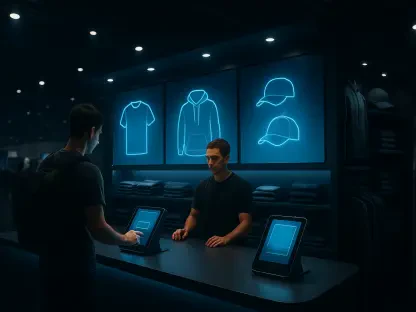
The line between digital browsing and physical ownership is rapidly disappearing thanks to the widespread adoption of augmented reality and virtual try-ons. Brands are now using smartphone cameras to let customers see exactly how clothes look on their own bodies in real-time, which has transformed online shopping from a guessing game into a reliable experience. These tools have helped conversion rates soar while simultaneously cutting down on the expensive and carbon-intensive cycle of product returns. When a shopper can visualize the drape of a fabric or the fit of a waistline from their living room, the psychological barrier to purchase is significantly lowered. Furthermore, these interactive experiences provide brands with valuable data on fit preferences and size distributions across their customer base. This information is then fed back into the design process, creating a continuous loop of improvement that ensures future collections are even more tailored to the actual physical needs of the consumer.
Refining Sales Strategies: Dynamic Pricing and Influencer Relations
Economic strategies within the fashion sector have become increasingly automated through the deployment of dynamic pricing and advanced chatbots. AI models now adjust discounts and promotions in real-time based on how an individual customer behaves or how competitors are pricing similar items across the web. At the same time, conversational AI has evolved into a sophisticated sales agent that can guide shoppers through complex purchases by asking about their specific body shape and the occasion for the outfit. These systems do not merely answer basic questions; they act as digital stylists that understand the nuances of color theory and silhouette. By providing this level of personalized assistance at scale, brands can maintain a high-touch service feel without the massive overhead of a physical sales force. This automation allows human staff to focus on high-value interactions and brand building, while the algorithm ensures that the transactional side of the business remains optimized for revenue.
Influencer marketing has also shifted from vanity metrics like follower counts to performance-based data analyzed by machine learning platforms. These AI systems now analyze thousands of data points to ensure that a brand’s chosen partner will actually deliver a tangible return on investment rather than just social noise. This has led to the rise of a phenomenon known as QuietFluence, where brands focus on micro-influencers with niche, highly engaged audiences who share specific aesthetic values. By identifying these smaller but more potent voices, companies can achieve higher levels of authenticity and trust among skeptical modern consumers. AI helps in mapping the influence of these creators across different subcultures, allowing brands to enter new markets with surgical precision. This data-driven approach to partnership ensures that marketing spend is directed toward individuals who possess a genuine connection with their audience, leading to deeper brand loyalty and more sustainable growth.
Preserving Brand Integrity: Ethics and the Human Element
Despite these remarkable efficiencies, the rise of pervasive AI brings serious ethical concerns regarding deepfakes and the promotion of unrealistic beauty standards. There is a persistent fear that relying too much on automated data could lead to a beige marketplace where every brand follows the same algorithmic trends, resulting in a loss of original thought and creative risk-taking. If every company uses the same data sets to predict what will sell, the industry risks entering a cycle of aesthetic stagnation where unique voices are drowned out by what the machine deems safe. Human intervention is still required to provide the ethical judgment and unique perspectives that algorithms cannot recreate from historical data. It is the responsibility of modern leadership to ensure that these tools are used to enhance the human experience rather than replace it with a sanitized version of reality. Maintaining transparency about the use of AI in marketing is becoming a key differentiator for brands.
The current state of the fashion industry is defined by a deep and necessary partnership between human intuition and machine precision. The most successful labels have discovered that they should not fully automate every aspect of their operations but instead use AI to amplify the core tenets of human creativity. While technology provides the speed and analytical depth needed for modern global commerce, people provide the storytelling and soul that truly connects a brand to its audience on an emotional level. This balance allows for the creation of marketing campaigns that are both data-driven and deeply resonant with human experiences. Designers and marketers now act as directors of a complex technological orchestra, guiding the output of algorithms to ensure that the brand remains distinct in a crowded digital landscape. By fostering an environment where technology serves the creative vision, fashion houses are able to maintain their cultural influence while achieving unprecedented levels of efficiency.
Strategic Integration: Building a Resilient Fashion Ecosystem
Navigating the complexities of a digital-first economy required the fashion industry to adopt a systemic approach to technological integration that transcended simple software updates. The sector moved toward a model where predictive analytics were integrated into the very fabric of executive decision-making. This evolution allowed brands to anticipate global shifts in consumer demand with high accuracy, effectively insulating them from the sudden market shocks that once derailed seasonal collections. By the current period, the deployment of machine learning has become a prerequisite for any label seeking to maintain its market share. The focus shifted from mere data collection to the synthesis of actionable insights that informed everything from textile sourcing to localized advertising campaigns. This widespread adoption facilitated a more democratic landscape where even smaller boutique brands could compete with global conglomerates by leveraging specialized AI tools.
This structural transformation successfully optimized every step of the consumer journey, from the first look at an emerging trend to the final digital checkout. By integrating sophisticated technology with a clearly defined brand voice, fashion leaders navigated a more efficient and personalized marketplace with remarkable success. Organizations that prioritized the development of hybrid teams—combining data scientists with traditional creative directors—established the most resilient models for growth. These entities implemented rigorous ethical guidelines to manage the use of synthetic imagery, ensuring that consumer trust remained a primary asset. Furthermore, the strategic adoption of real-time supply chain feedback loops significantly reduced global waste, marking a transition toward a more responsible industry standard. This reality ensured that the fusion of data and design created a fashion ecosystem that was more responsive than ever before, proving that technology could empower human taste.