
Demand generation has always depended on reaching the right buyer at the right moment. That task is getting harder because the way buyers discover, evaluate, and choose products is changing faster than most marketing systems can adapt. The shift is structural. When consumers delegate discovery and
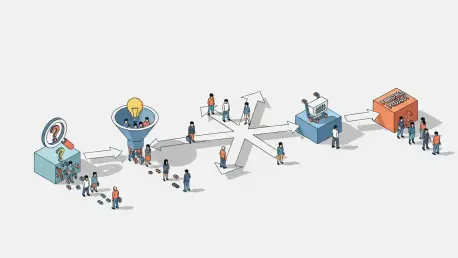
Demand generation often gets reduced to a set of activities: launch a campaign, run ads, host a webinar, send emails, and then celebrate lead volume. That approach breaks down when the buying cycle stretches, more stakeholders join the decision, and sales teams demand higher-quality opportunities.

Surging volumes of lookalike content, long buying cycles driven by buying groups, and shrinking attention windows have made authority (not advertising) the currency that moves enterprise markets and resets pricing power. Leaders across software, industrial tech, and services report that feature-led

The historical reliance on high-volume outbound tactics has reached a point of diminishing returns, as modern B2B buyers now demand transparency and value that traditional automation simply cannot provide. This fundamental shift marks the transition from a quantity-based lead generation model to a

The rapid professionalization of the digital sales landscape has rendered traditional, fragmented outreach methods obsolete, as B2B buyers increasingly demand a seamless, contextually aware journey across every digital touchpoint. Modern revenue teams are grappling with a fundamental "signal"

“A single breach could cost everything” is no longer an effective messaging angle for generating demand. While 85% of executive leaders recognize that cybersecurity is important for business growth, few are likely to respond to these vague claims. Chief Information Security Officers (CISOs) in 2026