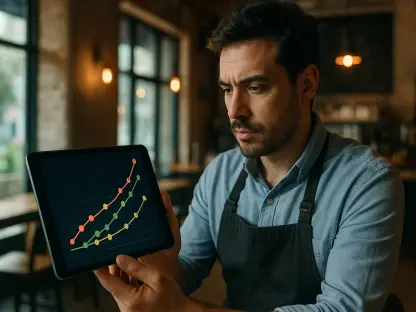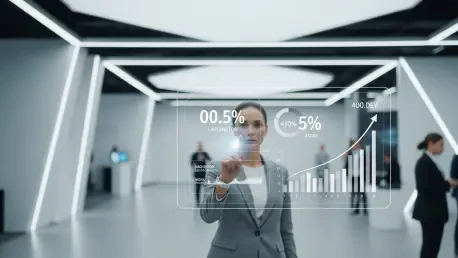

The fundamental shift in modern experiential marketing revolves around the realization that a visually stunning event is virtually worthless if it fails to produce quantifiable business intelligence or revenue growth. For years, the industry relied on “soft” metrics like crowd energy or anecdotal feedback, but the current economic climate in 2026 demands a far more rigorous approach to accountability and resource allocation. Organizations are no longer satisfied with simple attendance figures; instead, they are looking for specific evidence of how an activation moves a prospect through the sales funnel or strengthens long-term brand equity. This transition requires event architects to think like data scientists and business strategists from the very first brainstorming session, ensuring that every creative choice serves a specific, documented commercial purpose. By prioritizing outcomes over aesthetics, professionals can transform events from perceived luxury expenses into essential, high-performing assets that justify their place in the corporate budget. This evolution is not merely about surviving under scrutiny but about elevating the entire discipline of event management to a level of strategic importance that matches other digital and performance marketing channels.
1. Aligning With Strategic Business Initiatives
The success of any corporate gathering begins with a direct and documented connection to the overarching goals of the organization, moving away from isolated event goals that lack broader context. When a major player like Salesforce organizes its marquee events, the primary focus is never just on filling a convention center, but rather on how those interactions accelerate specific pipeline targets or reduce churn among high-value accounts. If an organization is attempting to penetrate a new vertical, such as renewable energy or decentralized finance, the event objectives must be tailored specifically to capture market share within those niches. This alignment ensures that every dollar spent on venue procurement, technology integrations, and guest experiences is working toward a shared vision that the C-suite already recognizes as a priority for the current fiscal cycle. Without this foundational bridge, even the most innovative activation risks being viewed as an expensive vanity project that lacks the necessary gravity to influence major business decisions.
Building on this foundation of alignment, marketing teams must engage in deep-dive consultations with internal stakeholders across sales, product, and customer success departments before any logistics are finalized. It is during these preliminary discussions that the specific “why” of the event is uncovered, whether that involves launching a new software feature or establishing thought leadership in a crowded competitive landscape. For instance, if the primary business objective for 2026 is to increase the average contract value by twenty percent, the event’s design should facilitate high-level networking and deep-dive technical sessions rather than broad, low-impact consumer interactions. This targeted approach allows organizers to filter out distractions and focus their limited resources on the specific activities that will move the needle for those specific internal departments. By treating the event as a tactical extension of the company’s broader growth strategy, planners can ensure that the results they eventually report are directly relevant to the metrics that determine the company’s health and future investment capacity.
2. Quantifying Success Through Specific Metrics
Defining success in measurable terms requires a departure from vague aspirations like “increasing brand awareness” in favor of concrete, numerical targets that leave no room for subjective interpretation. A robust objective must include a specific quantity, a defined target audience, and a clear timeline for achievement, such as converting fifteen percent of attendees into product trial users within thirty days. For example, a technology firm hosting a developer conference might set a goal to have sixty percent of participants engage with a specific API demonstration, providing a clear benchmark for the effectiveness of that installation. By establishing these hard numbers upfront, the team creates a shared language of accountability that allows everyone from the production crew to the marketing leads to understand exactly what a “win” looks like. This precision also enables more agile adjustments during the event itself, as real-time data can indicate whether the activation is on track to meet its predetermined milestones or if an immediate pivot is required.
Moving beyond simple counts, the focus must shift toward qualitative metrics that can be turned into quantitative data through sophisticated sentiment analysis and behavioral tracking tools. Instead of merely noting that guests enjoyed a keynote session, organizers should utilize post-session polling to measure the specific shift in brand perception or the increase in product knowledge among the specific demographic of attendees. Modern platforms now allow for the tracking of “dwell time” at various stations, providing a data-driven look at which topics truly resonated with the audience and which failed to capture interest. When these data points are aggregated, they provide a comprehensive picture of the event’s impact that is far more persuasive to executive leadership than a collection of smiling photos. This rigorous commitment to quantification transforms the post-event report from a simple summary into a strategic document that offers actionable insights for future marketing spend and product development.
3. Connecting Engagement To Commercial Outcomes
The true value of experiential marketing lies in its unique ability to foster emotional connections, but these moments must be intentionally bridged to specific commercial behaviors to be considered successful. Planners should map out the desired journey from the initial physical engagement at a booth or workshop to a tangible business result, such as a scheduled sales meeting or a signed contract. For example, a luxury automotive brand might track how a high-end driving experience leads to a verifiable increase in dealership visits or pre-orders within the specific regional market where the event took place. This requires a seamless integration between event technology and the central customer relationship management system, ensuring that every lead captured is enriched with context regarding their specific interests and interactions. By treating each engagement as a data point in a longer customer journey, organizations can finally quantify the return on investment that was previously considered too elusive to measure with any degree of accuracy.
This approach naturally leads to a more sophisticated understanding of lead qualification, where not all badge scans are treated with equal weight in the final analysis of the event’s performance. Instead of reporting a high volume of low-quality leads, the team can highlight the specific number of decision-makers who engaged in deep-dive technical demonstrations or attended private executive briefings. By categorizing engagements based on their likelihood to convert, the marketing team provides the sales department with a prioritized list of prospects that significantly shortens the overall sales cycle. Furthermore, this connectivity allows for the measurement of “soft” outcomes, such as brand loyalty and customer retention, by tracking the long-term behavior of event attendees compared to a control group of non-attendees. When the link between a memorable experience and a concrete financial outcome is clearly demonstrated, the event ceases to be a line item in the budget and becomes a proven engine for sustainable business growth.
4. Integrating Measurement Into The Experience Design
To ensure that data collection is both comprehensive and unobtrusive, measurement strategies must be baked into the very fabric of the event design rather than tacked on as an afterthought. This involves creating frictionless touchpoints where attendees naturally provide information, such as interactive registration flows that ask about specific pain points or smart badges that record session attendance without manual scanning. For instance, an industrial equipment manufacturer might use augmented reality stations that require users to input their current fleet challenges to unlock a customized digital solution, simultaneously providing value to the guest and data to the host. When data collection feels like a valuable part of the attendee experience, the quality and quantity of the information gathered increase dramatically, leading to more accurate insights. This proactive design philosophy ensures that the necessary evidence for success is collected organically, reducing the reliance on low-response post-event surveys that often suffer from selection bias.
Following the event, the focus should transition to a collaborative review process where the collected data is analyzed alongside the sales and executive teams to determine the true impact of the activation. This step is crucial for identifying which specific elements of the experience drove the most significant business results and which fell short of their intended objectives, allowing for continuous optimization. If a particular networking lounge failed to facilitate the expected number of high-level introductions, the team can analyze the traffic flow and environmental factors to improve the design for the next iteration. This cycle of measurement and refinement builds internal credibility, showing that the event team is committed to fiscal responsibility and data-driven decision-making. Ultimately, by mastering the art of integrated measurement, experiential professionals can confidently advocate for larger budgets and more ambitious projects, backed by the undeniable proof that their work is a primary driver of organizational success.
Future Considerations For Strategic Event Planning
As the landscape of corporate engagement continues to evolve through 2026, the reliance on advanced analytics and predictive modeling will only become more central to the planning process. Organizers should now look toward implementing artificial intelligence tools that can predict attendee behavior based on historical data, allowing for even more personalized and effective experience designs. It is highly recommended that marketing teams begin standardizing their reporting frameworks across all physical and virtual activations to create a unified view of the experiential portfolio’s performance over time. This consistency allows for better benchmarking and helps identify long-term trends that can inform broader company strategy beyond just the next event. Additionally, fostering a culture of “measurement first” within the creative team will ensure that innovation always remains tethered to the reality of business needs. By adopting these forward-looking practices, professionals can ensure that their events remain relevant, impactful, and indispensable in an increasingly data-centric corporate world.