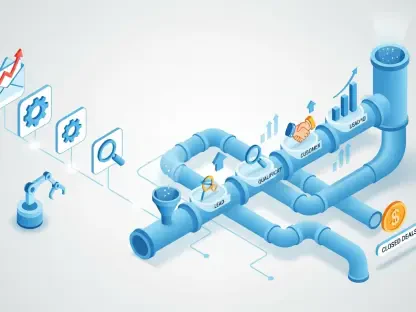

The emergence of Artificial Intelligence in wholesale distribution signifies a profound transformation for the traditionally underserved €2.5 trillion global trading industry, a sector long grappling with the immense pressures of labor shortages, razor-thin margins, and the evolving digital expectations of modern buyers. This review explores the evolution of AI-powered operating systems, their key features, performance metrics, and the impact they have on automating critical workflows. The purpose of this review is to provide a thorough understanding of this technology, its current capabilities exemplified by platforms like Plato, and its potential future development.
The Dawn of an AI-Driven Wholesale Era
The wholesale distribution sector is entering a new chapter, defined by the rise of AI-powered operating systems. These platforms are engineered to address the industry’s foundational inefficiencies, which stem from a historical reliance on manual processes and disconnected data streams. The core principle behind this technological shift is the move from reactive to proactive operations. Instead of sales teams spending hours on administrative tasks like quoting or order entry, AI agents can automate these functions, freeing up human capital for strategic relationship-building and complex problem-solving.
This transition is not merely about incremental improvements; it represents a fundamental rethinking of how wholesale businesses operate. The industry’s context, marked by intense competition and shrinking profit margins, makes such innovation a necessity rather than a luxury. AI-native systems are becoming the engine for this change, designed to drive both revenue growth and significant operational efficiency. By automating workflows and providing deep analytical insights, these platforms empower distributors to stay ahead in a rapidly digitizing global market.
Core Features of an AI-Native Operating System
At the heart of modern AI platforms for wholesale distribution lies a sophisticated architecture designed for seamless integration and intelligent automation. These systems, as exemplified by Plato, are built to function not as standalone tools but as a central nervous system for the entire operation. They connect disparate data sources, analyze complex information in real time, and translate those insights into actionable tasks. This approach ensures that the technology augments human capabilities rather than simply replacing isolated functions, creating a collaborative environment where AI handles the repetitive work, and employees focus on high-value activities.
Seamless ERP Integration and Data Activation
A critical function of an AI-native operating system is its ability to integrate deeply with existing Enterprise Resource Planning (ERP) systems. For decades, valuable transactional and customer data has remained locked within these legacy platforms, often inaccessible for strategic analysis. AI-powered software acts as a key, unlocking this dormant information to create a comprehensive, dynamic view of the business. This process of data activation is foundational, as it feeds the system’s intelligence and enables it to understand purchasing patterns, customer behavior, and operational bottlenecks.
Once integrated, the AI continuously analyzes the flow of data to inform sales strategies and operational decisions. It can identify subtle trends that would be invisible to a human analyst, such as a customer’s declining purchase frequency or an emerging opportunity for cross-selling. This analytical power transforms the ERP from a simple record-keeping tool into a proactive engine for growth, providing the data-driven foundation upon which the entire AI system operates.
The AI Sales Copilot
A standout feature of these platforms is the AI Sales Copilot, a digital assistant designed specifically for sales representatives. This component directly addresses one of the most significant pain points in wholesale: the overwhelming amount of time spent on administrative tasks. The copilot automates repetitive workflows like generating quotes, processing orders, and responding to routine inquiries, thereby reducing the manual burden on sales teams. This automation allows representatives to redirect their focus toward nurturing client relationships and pursuing new business opportunities.
Beyond task automation, the AI Sales Copilot provides critical sales intelligence. By analyzing historical data and real-time interactions, it can flag at-risk customers, identify promising growth opportunities, and even suggest the next best action for a salesperson to take. This fusion of automation and intelligence equips sales teams with the tools they need to be more effective and strategic, transforming their role from reactive order-takers to proactive business drivers.
Quantifiable Performance and Efficiency Gains
The implementation of AI-native operating systems yields tangible and measurable benefits for wholesale distributors. The most compelling outcomes are directly tied to revenue and efficiency. Companies adopting these platforms have reported significant revenue increases, in some cases up to 15%, driven by the AI’s ability to identify and capitalize on previously missed sales opportunities. This performance lift is a direct result of turning passive data into active sales strategies.
Moreover, the efficiency gains are equally impressive. Reports indicate a potential tenfold improvement in sales team efficiency, as automation drastically reduces the time required for manual tasks. On an individual level, this translates to measurable time savings, with employees reclaiming as many as five hours per week. This reclaimed time can be reinvested into customer-facing activities that strengthen relationships and drive long-term loyalty, demonstrating a clear and compelling return on investment.
Investment Trends and Market Momentum
The European trade and wholesale sectors are currently witnessing a significant influx of investment into AI-enabled vertical software, signaling a major market shift. Recent funding rounds, including Plato’s €12.2 million seed investment, are part of a broader trend that has seen approximately €35–36 million injected into this niche between 2025 and 2026. This financial momentum underscores a growing consensus among investors that specialized AI is essential for addressing the deep-rooted operational challenges that have long plagued the industry.
This wave of capital is not just about funding new ventures; it reflects a strategic bet on the transformative power of AI to modernize a critical sector of the global economy. Investors are recognizing that generic software solutions are insufficient for the unique complexities of wholesale distribution. Consequently, they are backing companies with deep industry expertise and purpose-built platforms, with Germany emerging as a key hub for this technological innovation.
Real-World Applications and Industry Impact
The practical application of these AI platforms is where their true value becomes apparent. The success of a solution like Plato is rooted in its development by founders with a deep, first-hand understanding of the industry’s pain points. This insider perspective has enabled the creation of a highly effective system that resonates with distributors because it solves real-world problems. The platform’s early traction, demonstrated by its ability to secure high-value, six-figure contracts, validates its impact and market fit.
This industry-centric approach is crucial for driving adoption and demonstrating tangible results. When a technology is built from the ground up to address specific challenges—such as complex quoting processes or inefficient order handling—it immediately proves its worth to users. The impact is a more streamlined, intelligent, and profitable operation that gives distributors a competitive edge in a demanding market.
Overcoming Industry Adoption Challenges
Despite the clear benefits, the widespread adoption of AI in wholesale distribution faces several hurdles. A primary technical challenge lies in integrating modern AI software with the often-outdated legacy ERP systems that form the backbone of many distributors. These integrations can be complex and require a high degree of technical expertise to ensure data flows smoothly and accurately.
Beyond the technical aspects, there are significant market obstacles. The wholesale industry has traditionally been characterized by manual workflows and has been slower to adopt new technologies compared to other sectors. Convincing a historically tech-averse industry to embrace such a transformative change requires a clear and compelling demonstration of return on investment. Strategic efforts must focus on showcasing not just efficiency gains but also direct impacts on revenue and profitability to overcome this inherent resistance.
Future Outlook and Expansion
The trajectory for AI in wholesale distribution points toward continued evolution and expansion. Current platforms are already laying the groundwork for a more comprehensive AI-powered backbone for the global trade economy. Immediate plans for leading companies in this space involve extending their capabilities into adjacent business verticals, such as customer service and procurement. This expansion will create a more holistic operating system that automates and optimizes an even wider range of business functions.
In the long term, the vision is to create a fully integrated ecosystem where AI manages the entire trade lifecycle, from sourcing and procurement to sales and customer support. This ambitious goal involves not only enhancing existing features but also developing new predictive and prescriptive analytics capabilities. As the technology matures, it holds the potential to build a more resilient, efficient, and intelligent global trade network, fundamentally reshaping how goods are bought and sold worldwide.
Conclusion and Final Assessment
The current state of AI in wholesale distribution represents a pivotal moment for a vital global industry. AI-native platforms are proving to be more than just theoretical concepts; they are delivering measurable improvements in revenue, efficiency, and operational intelligence. The technology effectively addresses long-standing challenges by automating manual processes and unlocking the strategic value of data hidden within legacy systems.
Ultimately, these advanced operating systems offer a clear path toward a more modern and resilient trade ecosystem. By equipping distributors with intelligent tools like AI copilots and proactive analytics, this technology is not merely optimizing existing workflows but redefining what is possible. The continued investment and successful early adoptions signal that AI is poised to become an indispensable component of the wholesale distribution landscape, marking a definitive shift toward a smarter, more connected future for global trade.