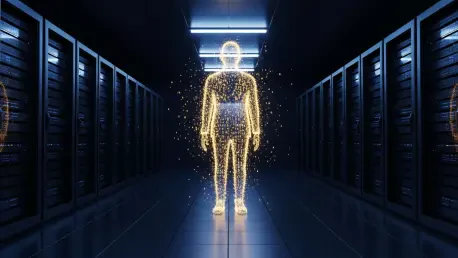

The landscape of digital presence underwent a radical transformation as the boundary between biological reality and pixelated perfection began to dissolve under the weight of sophisticated neural networks. Today, a brand no longer relies solely on the unpredictable schedules or fluctuating public reputations of human celebrities, opting instead for the precision and tireless work ethic of virtual influencers. These entities, built from the ground up to resonate with specific demographics, offer a level of control that was previously unthinkable in the volatile world of social media management. By leveraging generative models that iterate on visual aesthetics and conversational patterns in real-time, corporations are testing whether a fully automated marketing ecosystem can sustain the same emotional depth as traditional human-led initiatives. This shift represents a move toward a more algorithmic form of persuasion, where every smile and post is calculated to maximize global reach while maintaining a consistent and curated image.
Digital Avatar Systems
Behind every high-fidelity virtual influencer lies a massive stack of integrated technologies that allow for seamless integration into the daily feeds of millions of users. High-performance game engines now provide the visual scaffolding, rendering skin textures and lighting with such accuracy that the distinction between a photograph and a render is often invisible to the naked eye. This visual realism is coupled with advanced large language models that have been fine-tuned on specific brand guidelines to ensure that every interaction remains within the desired tone and legal parameters. Unlike human counterparts who might experience fatigue or creative blocks, these systems operate within a state of constant readiness, deploying content across various time zones simultaneously. The ability to iterate on visual designs based on real-time feedback ensures the persona remains at the cutting edge of fashion. This responsiveness provides a competitive edge in a market where relevance is measured in seconds.
Furthermore, the automation of these influencers extends into deep data analytics, where the AI observes which poses, colors, and captions generate the highest levels of retention and conversion. This creates a self-optimizing feedback loop that constantly refines the avatar’s personality to better suit the shifting preferences of the target audience. The implementation of generative audio technologies has also allowed these characters to host podcasts and live streams with voices that are indistinguishable from human speakers. This multi-modal approach ensures that the brand message is reinforced through every possible sensory channel, creating a pervasive presence that feels both intimate and ubiquitous. The technical barrier to entry for such sophisticated marketing tools has lowered, allowing smaller firms to compete with global conglomerates by deploying their own specialized virtual ambassadors. This democratization suggests a future where every niche market has its own tailored representative.
Strategic Brand Growth
One of the most compelling arguments for the widespread adoption of virtual influencers is the unprecedented level of brand safety they provide to corporate stakeholders. Human influencers are susceptible to personal scandals, controversial political statements, or sudden shifts in public perception that can tarnish the reputation of the companies they represent. In contrast, a synthetic ambassador is entirely programmable, with every output subjected to rigorous automated screening before it ever reaches the public eye. This eliminates the risk of off-brand behavior while allowing for a level of consistency that is impossible to achieve with living, breathing talent. Marketing teams can experiment with radical new aesthetics or messaging strategies without the friction of interpersonal negotiations or the limitations of physical reality. This flexibility allows for rapid expansion into new global territories, as the character can be localized without losing its core identity or aesthetic appeal.
Organizations that successfully navigated this transition prioritized a strategy of radical transparency regarding the synthetic nature of their ambassadors. They discovered that consumer trust was maintained not by deceiving the public, but by celebrating the creativity and technical artistry behind these digital figures. Strategic roadmaps focused on the development of unique backstories and narrative arcs that allowed audiences to engage with the persona as a piece of performance art. It became clear that the most effective implementations used AI to handle the repetitive tasks of engagement while human directors guided the overarching creative vision. Businesses also invested in robust ethical frameworks to ensure that virtual influencers did not promote unrealistic beauty standards or harmful ideologies. By treating these digital assets as a new form of media property, market leaders secured a sustainable advantage. High-level engagement was achieved through targeted, reactive storytelling.