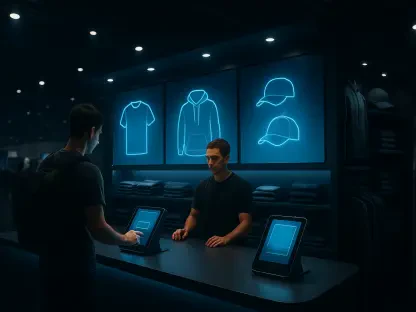

The modern retail environment has reached a point of intense friction where consumers demand intimacy while simultaneously feeling increasingly alienated by fragmented digital interactions. This creates a challenging environment for brands that must balance the collection of sensitive information with the delivery of high-value, bespoke experiences. Statistics indicate that while approximately 57% of shoppers express a desire to spend more with brands that recognize their individual preferences, overall customer satisfaction across the industry has dipped to historical lows. This disconnect defines the Personalization Paradox of 2026, where the promise of artificial intelligence and big data has yet to translate into a cohesive journey for the average person.
The gap between what a brand thinks it provides and what a customer actually feels is often the result of superficial implementation. Many companies believe that inserting a first name into an email subject line or suggesting a product based on a single past purchase constitutes personalization. However, today’s consumer is more sophisticated and expects a brand to understand the context of their life, such as their local weather, their preferred shipping methods, and their previous interactions with customer support. To bridge this gap, businesses must move away from isolated marketing tactics and toward a philosophy of deep relevance driven by unified data points.
Solving this paradox requires a fundamental shift in how retailers perceive the relationship between data and execution. It is no longer enough to simply collect information; the goal must be to utilize that data to remove friction from every possible touchpoint. When a brand successfully unifies its backend systems, it gains the ability to treat every shopper as a VIP, regardless of whether they are browsing a mobile app or walking through the doors of a flagship physical location. This article provides the strategic framework necessary to navigate this transition and build a retail model that thrives on genuine connection.
Bridging the Gap Between Consumer Desire and Retail Execution
The disconnect in current retail performance stems from a lack of synchronicity between different departments and their respective data sets. Marketing teams often operate with one set of tools, while inventory management and physical store operations rely on entirely different platforms. This fragmentation ensures that even if one department has a clear picture of a customer, that insight never reaches the point of sale or the customer service desk. Consequently, the consumer experiences a series of disjointed “micro-interactions” that fail to build a consistent brand narrative, leading to the low satisfaction scores seen throughout 2026.
Retailers who wish to succeed must acknowledge that the consumer journey is no longer a linear path from awareness to purchase. It is a complex web of interactions that occur across multiple devices and environments, often simultaneously. For instance, a shopper might research a product on their laptop, check local availability on their phone while commuting, and then visit the store to touch and feel the item before finally purchasing it through a social media link. If the retailer cannot track this progression in real time, they risk sending irrelevant promotions that frustrate the customer rather than enticing them to complete the transaction.
Execution excellence in this landscape depends on the ability to turn data into immediate, actionable insights. Moving beyond the “Personalization Paradox” means moving into a state of anticipatory service, where the brand provides value before the customer even realizes they need it. This requires a robust technical foundation where every piece of information, from a clicked ad to a returned item, contributes to a living profile of the individual. Only by unifying these disparate threads can a retailer hope to meet the heightened expectations of a consumer base that has grown weary of empty digital promises.
The Evolution of Commerce: From Siloed Channels to Unified Ecosystems
The history of retail technology is a story of layers being added on top of aging infrastructure, creating what is known as technical debt. In the early days of digital commerce, brands simply added a website as an additional “silo” beside their physical stores, leading to the multichannel era. This model was characterized by separate inventory pools and disconnected customer databases, which made it impossible to provide a unified experience. As the industry moved toward cross-channel and omnichannel models, middleware was introduced to force these systems to talk to one another, but this often resulted in data lag and synchronization errors.
By 2026, the limitations of these patchwork systems have become a primary bottleneck for growth. Unified Commerce has emerged as the necessary successor, where the entire business operates from a single, centralized platform. In this model, sales, inventory, and customer data are not just connected; they are inherently the same thing. This eliminates the need for complex integrations that often break or provide outdated information. When the backend is truly unified, a change in stock levels on a store shelf is reflected instantly across all digital storefronts, and a customer’s loyalty status is updated the second they make a purchase, regardless of the channel.
This evolution is not merely a technical upgrade but a fundamental change in business philosophy. Moving to a unified ecosystem allows a brand to reduce its total cost of ownership by eliminating the need for expensive, custom-built bridges between different software solutions. Moreover, it empowers staff at every level to provide better service. A retail associate in a physical store can see a customer’s entire online browsing history and previous support tickets, allowing them to offer advice that is actually relevant. This level of cohesion is what separates the market leaders from those still struggling with the inefficiencies of the previous decade.
A Strategic Roadmap for Implementing High-Impact Personalization
Implementing a personalization strategy that actually moves the needle requires a disciplined approach that prioritizes business outcomes over technological novelty. Many organizations fail because they attempt to do too much at once, collecting vast amounts of data without a clear plan for how to use it. The first phase of any successful roadmap must involve identifying the specific areas where personalization can provide the most value, whether that is through increasing the frequency of purchases or reducing the cost of acquiring new customers. Without this focus, projects often become bogged down in complexity and fail to deliver a measurable return on investment.
Once the objectives are clear, the focus shifts to the underlying architecture that will support these efforts. A strategic roadmap must account for the collection, cleaning, and activation of data across the entire organization. This involves moving away from “black box” solutions and toward transparent systems where the flow of information is understood by both the technical and marketing teams. The goal is to create a repeatable process where insights are constantly being generated and tested, allowing the brand to stay agile in a market where consumer preferences can shift in a matter of weeks.
Success also depends on the culture of the organization and its willingness to break down internal silos. Personalization is not just the responsibility of the marketing department; it requires input from logistics, customer service, and retail operations. A comprehensive roadmap includes training and change management to ensure that everyone in the company understands the value of unified data. When the entire organization is aligned toward a single view of the customer, the brand can begin to deliver the kind of seamless experiences that drive long-term loyalty and sustainable growth.
Step 1: Aligning Personalization with Core Business Metrics
The most common mistake in modern retail is treating personalization as a generic “add-on” feature rather than a core business driver. To avoid this, leadership must define exactly what success looks like by choosing specific metrics that align with their broader goals. For some, the priority might be reducing the churn rate among high-value customers, while for others, it might be increasing the average order value through more effective cross-selling. By anchoring personalization efforts in these hard numbers, the organization can justify the investment and ensure that the project remains focused on driving profitability.
Setting clear goals also helps in managing the vast amounts of data that are now available to retailers. Instead of trying to analyze every single customer interaction, teams can focus on the data points that are most relevant to their chosen KPIs. For example, if the goal is to improve the efficiency of a loyalty program, the focus should be on tracking redemption rates and the specific behaviors that lead to repeat purchases. This targeted approach prevents “analysis paralysis” and allows the brand to implement smaller, more manageable changes that can be scaled up over time as they prove their value.
Focusing on CLV and Conversion Rate Optimization
Focusing on Customer Lifetime Value (CLV) is perhaps the most effective way to measure the impact of a unified data strategy. CLV provides a long-term view of the relationship, encouraging brands to invest in experiences that build trust rather than just chasing immediate sales. When a retailer uses unified data to provide a seamless return process or a personalized birthday greeting that actually reflects the customer’s style, they are making a deposit into the “loyalty bank.” Over time, these actions lead to higher retention rates and a lower reliance on expensive paid advertising to drive revenue.
Conversion Rate Optimization (CRO) serves as the more immediate counterpart to CLV, focusing on the efficiency of the current shopping experience. By using real-time data to personalize the digital storefront—such as showing recently viewed items or suggesting products that are in stock at a nearby store—retailers can significantly reduce the friction that leads to cart abandonment. In the competitive environment of 2026, even a minor increase in the conversion rate can result in millions of dollars in additional revenue. Personalization at this level ensures that every visitor to the site sees the most relevant version of the brand possible.
Step 2: Mapping the Modern Customer Journey Across All Touchpoints
The customer journey is no longer a straight line, but rather a series of erratic jumps between digital and physical spaces. To provide a personalized experience, a brand must first understand where these jumps occur and what the customer is trying to achieve at each stage. Mapping this journey involves looking at every possible interaction point, from social media discovery and search engine queries to in-store visits and post-purchase support. Each of these touchpoints provides a unique opportunity to gather data and deliver a tailored message that moves the customer closer to their goal.
Effective mapping requires a brand to step into the shoes of their customers and experience the brand as they do. This often reveals hidden friction points that the internal teams might have overlooked, such as a mobile app that doesn’t sync with the in-store loyalty scanner or a website that shows out-of-stock items as available. By identifying these gaps, the retailer can prioritize the technological updates that will have the biggest impact on the user experience. The ultimate goal of journey mapping is to ensure that the brand is present and helpful at every stage, regardless of the channel the customer chooses to use.
Identifying Moments of Truth in Digital and Offline Spaces
A “moment of truth” is an interaction where a customer forms a lasting impression of the brand, either positive or negative. In the digital space, this might be the moment a shopper receives a personalized recommendation that perfectly matches their needs, or conversely, when they see an ad for a product they just returned. Offline, a moment of truth often happens at the point of sale or when a customer asks a staff member for assistance. Unified data allows a brand to maximize the potential of these moments by ensuring that the information available to the customer and the staff is accurate and timely.
Bridging the gap between these digital and offline moments is one of the biggest challenges in modern retail. For example, if a customer is browsing a specific category of products on their mobile phone while standing inside a physical store, the brand has a high-intent opportunity to provide immediate assistance. Using geolocation data and a unified customer profile, the retailer could send a push notification offering a demonstration of that specific product or a unique discount code. These context-aware interactions turn a routine shopping trip into a memorable experience that feels both intuitive and valuable to the consumer.
Step 3: Architecting the Single Customer View (SCV)
At the heart of any successful personalization strategy is the Single Customer View (SCV), a comprehensive and dynamic profile that lives within a unified platform. An SCV acts as the central nervous system for the brand, consolidating data from every transaction, interaction, and preference shared by the individual. Without this foundation, a retailer is essentially operating with “blind spots,” unable to see the full picture of how a customer is engaging with the brand. In 2026, the SCV is the primary tool used to prevent the common mistakes that ruin customer trust, such as marketing a product that a person has already purchased.
Building a functional SCV requires more than just a database; it requires a system that can process data in real time and make it accessible to every part of the business. This means that when a customer updates their address on the website, that change is immediately visible to the shipping department and the local store. It also means that qualitative data, such as a note from a customer service agent about a specific preference, is integrated alongside quantitative data like purchase history. This holistic view allows the brand to treat every customer as an individual rather than a series of disconnected data points.
Integrating First-Party and Zero-Party Data for a 360-Degree Profile
The shift away from third-party cookies has forced brands to become much more intentional about how they collect and use data. First-party data, which is gathered through direct interactions on the brand’s own platforms, is now the most valuable asset a retailer owns. This includes purchase history, website behavior, and engagement with marketing campaigns. However, to create a truly 360-degree profile, brands must also leverage zero-party data—information that customers proactively and intentionally share with the brand. This might include their style preferences, their size information, or their communication frequency.
Encouraging customers to share zero-party data requires a relationship built on transparency and value. People are generally willing to provide information if they see a clear benefit, such as a more accurate size recommendation or access to exclusive events that match their interests. By integrating this self-reported data with observed behavior, a brand can build a profile that is far more accurate than anything provided by a third-party aggregator. This depth of understanding allows for a level of personalization that feels genuinely helpful and respectful of the customer’s privacy, which is essential for building long-term trust in the current landscape.
Step 4: Deploying Precision Segmentation and Intent Signals
Precision segmentation is the process of dividing a large customer base into smaller, more manageable groups based on shared characteristics or behaviors. In 2026, basic demographic segmentation is no longer sufficient; brands must look deeper into the intent behind every action. This involves categorizing customers by their lifecycle stage—such as a first-time visitor, a loyal fan, or a “lapsed” shopper—and tailoring the messaging accordingly. A loyal customer does not need a “welcome” discount, just as a first-time visitor might be overwhelmed by a deep dive into the brand’s history.
Beyond lifecycle stages, effective segmentation also considers “reachability” and channel preference. Some customers might engage heavily with SMS messages but never open an email, while others might prefer to interact exclusively through a mobile app. By understanding these nuances, a brand can ensure that its personalized messages are delivered through the channels where they are most likely to be seen and acted upon. This reduces the “noise” for the consumer and increases the efficiency of the brand’s marketing spend, as they are no longer wasting resources on channels that their target audience ignores.
Reading Digital Breadcrumbs to Anticipate Needs
Every interaction a consumer has with a brand leaves behind a trail of “digital breadcrumbs” that, when analyzed together, reveal their current intent. These signals can range from the obvious, such as a search for a specific product name, to the subtle, like the time of day a person is browsing or the device they are using. For example, a customer searching for “waterproof boots” on a mobile device while in a city currently experiencing a rainstorm is giving a very high-intent signal. A retailer with a unified data model can act on this signal instantly by highlighting relevant products that are available for immediate pickup nearby.
Anticipating needs also involves looking at external context signals, such as local weather patterns, seasonal trends, or even economic indicators. If a brand knows that a specific region is about to experience a heatwave, they can proactively adjust their website’s homepage and marketing emails for customers in that area to feature cooling products. This type of contextual personalization makes the brand feel more in tune with the customer’s daily life. By reading these breadcrumbs, retailers can move from a reactive mode to a proactive one, offering solutions before the customer even begins their formal search process.
Step 5: Automating the Experience through Scalable Technology
Personalization at the individual level is impossible to manage manually once a brand grows beyond a small number of customers. Automation is the engine that allows these tailored experiences to scale, ensuring that the right message is sent to the right person at the exactly the right time. Modern automation platforms use the data from the SCV to trigger actions based on specific “events,” such as a customer reaching a new loyalty tier or abandoning a shopping cart. These automated workflows ensure that the brand remains consistently engaged with its audience without requiring a massive increase in headcount.
The key to successful automation is maintaining a human feel while using machine-driven processes. This involves using sophisticated templates that can pull in dynamic content based on the recipient’s profile, making the communication feel bespoke rather than generic. Furthermore, automation should be used to support the human staff rather than replace them. For example, an automated alert can notify a sales associate when a high-value customer enters the store, providing them with the insights needed to offer a personalized greeting. In this way, technology serves as an enhancer for the human connections that are still at the core of great retail.
Leveraging AI-Powered Chatbots and Agentic Storefronts
Artificial Intelligence has transformed the role of customer support and product discovery through the rise of sophisticated, AI-powered chatbots. Unlike the rigid, script-based bots of the past, today’s AI assistants can engage in natural, conversational interactions, helping customers find the right product through a series of intelligent questions. These bots have access to the full unified data set, meaning they can provide personalized advice based on the user’s past purchases and stated preferences. This turns a standard support interaction into a consultative sales opportunity that can happen at any time of day or night.
The next frontier of this technology is the “Agentic Storefront,” where the shopping experience itself becomes conversational and integrated into AI-driven tools. As consumers increasingly use generative AI tools like ChatGPT or specialized shopping assistants to research their purchases, brands must ensure their products are “shoppable” within these environments. This involves providing structured, high-quality data to these AI agents so they can accurately recommend and even facilitate the purchase of products. By meeting the consumer at the peak of their intent within these conversational interfaces, brands can capture sales that might otherwise have been lost to the friction of a traditional search-and-click journey.
Essential Takeaways for Data-Driven Retailers
- Unification is Mandatory: The transition to personalization cannot be achieved within a fragmented tech stack. A unified data model is the fundamental prerequisite for any brand that wants to scale its customer experience efforts without succumbing to technical debt.
- Quality over Quantity: Having massive amounts of data is a liability if that data is inaccurate or inaccessible. Focus on gathering and maintaining clean, standardized first-party and zero-party data that can be used to drive specific business outcomes.
- In-Store Integration: The physical store should no longer be treated as a separate entity from the digital business. It must be a vital data-collection point and an environment where online insights are used to enhance face-to-face interactions.
- AI-Driven Discovery: Preparing for the rise of Agentic Storefronts is crucial for staying relevant as search behavior shifts toward conversational AI. Ensure your product data is optimized for these new discovery environments.
- Financial Efficiency: Moving to a unified platform reduces the operational overhead associated with managing multiple integrations. This allows the business to reallocate funds toward innovation and customer-facing improvements rather than backend maintenance.
- Proactive Relevance: Use context signals like weather, location, and real-time browsing behavior to provide anticipatory service. This level of responsiveness builds a much stronger bond with the consumer than generic marketing ever could.
Scaling Personalization: Future Trends and Industry Implications
Looking toward the end of the current decade, the primary challenge for retailers will be maintaining data quality while navigating an increasingly complex landscape of privacy regulations. Consumers are becoming more protective of their digital identities, and the brands that thrive will be those that treat data as a borrowed asset rather than a commodity to be exploited. We are moving toward a “bespoke” service model where even massive global retailers are expected to provide the level of intimacy and recognition once reserved for small-town boutique shops. This will require a constant cycle of innovation in how data is processed and used to create value for the individual.
The concept of “data decay” will also become a major focus for strategic planning. A customer’s needs and preferences are not static; what they wanted six months ago may no longer be relevant today. Brands must develop systems that can recognize these shifts and automatically adjust their personalization efforts to reflect the customer’s current reality. For example, data suggesting an interest in baby products should be phased out as the child grows, replaced by more age-appropriate recommendations. Managing this evolution effectively will be a key differentiator between brands that feel “creepy” and those that feel genuinely helpful.
Furthermore, the integration of retail with broader lifestyle ecosystems will continue to accelerate. We can expect to see more partnerships where data is shared across industries—such as a fitness app sharing activity levels with a healthy food retailer—to provide even more deeply contextualized experiences. While these partnerships offer immense potential for personalization, they also increase the stakes for data security and transparency. The industry must work toward establishing clear standards for how these multi-brand ecosystems operate, ensuring that the consumer remains in control of their information at every step of the journey.
Mastering the Unified Data Model for Sustainable Growth
Solving the 2026 Personalization Paradox required a total reassessment of how data flowed through the retail organization. It became clear that the historical reliance on disconnected tools and middleware had created a ceiling for customer satisfaction that no amount of marketing spend could overcome. By moving toward a unified commerce model, brands finally eliminated the lag and inaccuracies that had previously made high-impact personalization impossible. This transition allowed retailers to stop managing a patchwork of systems and start managing holistic customer relationships, which proved to be the most significant driver of growth in a crowded and competitive market.
The adoption of a Single Customer View transformed the role of the retail associate and the digital storefront alike, turning every interaction into an opportunity for deep engagement. Organizations learned that when data was democratized and made accessible across every department, the entire company became more agile and responsive to consumer needs. This shift in focus from transaction-based marketing to relationship-based service allowed brands to build the kind of trust that is necessary to thrive in an era where data privacy is a top concern. The implementation of precision segmentation and real-time intent signals ensured that the brand’s voice remained relevant even as the customer’s life and preferences evolved.
Ultimately, the leaders who successfully navigated this period were those who prioritized data integrity and strategic alignment over short-term technical fixes. They recognized that personalization was not a project with a start and end date, but a continuous process of learning and optimization. By investing in scalable automation and preparing for the rise of AI-driven discovery, these brands positioned themselves at the forefront of the retail landscape. The lessons learned during this transformation provided a blueprint for how a data-driven business can maintain a human touch, proving that when used correctly, technology can bring us closer to our customers than ever before.