
The sheer velocity of digital consumption has finally surpassed the biological limits of human manual production, forcing a radical architectural shift in how media is conceptualized and deployed. This review examines the current state of AI-integrated workflows, a technological framework that has moved beyond simple automation toward a sophisticated model of generative partnership. By centralizing disparate creative processes into unified, algorithmically enhanced pipelines, these workflows have fundamentally altered the economics of digital presence. The following analysis explores the technical efficacy and operational implications of this shift, providing a clear-eyed look at the tools defining the 2026 landscape.
The Evolution of AI-Driven Content Creation
The journey toward the current state of creative automation began with isolated tools designed for specific, narrow tasks. Initially, these systems functioned as sophisticated filters or autocorrect features that required heavy human intervention to produce usable results. However, the transition into 2026 marked a departure from these fragmented utilities. The emergence of unified frameworks allowed for a seamless handoff between narrative planning and asset generation, effectively removing the technical silos that previously separated writers, designers, and audio engineers. This maturation represents the fulfillment of “instruction-based generation,” where the primary skill of a creator has shifted from software mastery to high-level conceptual orchestration.
This evolutionary path was driven by the necessity for hyper-scalability in an environment where content shelf-life is measured in hours. As organizations realized that traditional production cycles could not keep pace with algorithmic feeds, the focus shifted toward building persistent AI environments. These environments do not merely generate content; they maintain brand consistency through deep learning models that understand specific stylistic nuances. The relevance of this technology in the current landscape is undeniable, as it provides the only viable path for businesses to maintain a high-frequency, high-quality digital footprint without an exponential increase in overhead costs.
Core Components of Modern Content Workflows
The current efficiency of digital production relies on a highly interconnected stack of technologies that function as a single cognitive unit. At the heart of this system is a central processing layer that interprets natural language instructions to coordinate various generative engines. This orchestration layer is what distinguishes modern workflows from the simple “copy-paste” methods of the past. It ensures that a visual style generated for a campaign matches the tone of the synthesized voice and the sentiment of the written copy, creating a cohesive brand experience.
Multimodal Image Generation Models
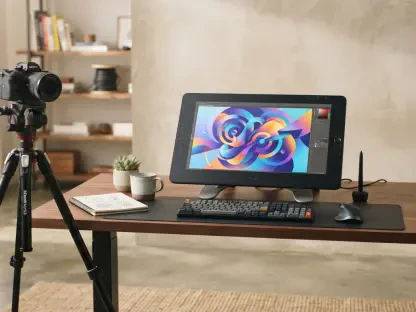
Modern visual production has transitioned into a phase defined by descriptive flexibility. Systems like GPT Image 2.6 have moved past the era of generic visuals to offer granular control over lighting, texture, and composition through refined semantic understanding. This capability allows a user to generate bespoke high-fidelity assets that previously would have required a professional photography studio or an entire digital art department. The unique advantage here lies in the “latent space” of these models, which can synthesize millions of parameters to create unique visuals that avoid the repetitive aesthetic of early generative art.
Beyond mere image creation, these models now integrate directly into design software, facilitating real-time editing and iteration. A creator can describe a scene, adjust a specific element by simply highlighting it, and generate multiple variations for A/B testing in seconds. This performance shift means that the visual component of a project is no longer a bottleneck but a dynamic variable. The significance of this feature is most evident in the reduction of “concept-to-execution” time, which has plummeted from weeks to minutes, allowing for a level of agility that was previously impossible in high-stakes marketing environments.
Advanced Text-to-Speech Audio Systems
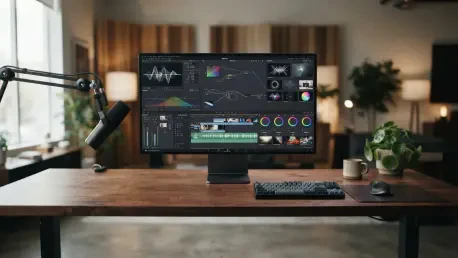
As screen fatigue became a documented phenomenon, the role of audio in digital workflows expanded significantly. The current generation of text-to-speech systems has effectively closed the gap between synthesized and human voices by mastering prosody and emotional inflection. These systems do not just read text; they interpret context to apply appropriate pauses, emphasis, and tone. This leap in performance has turned every written article into a potential podcast or narration, drastically increasing the accessibility and reach of information without requiring a recording booth.
The technical architecture of these audio systems utilizes neural voice cloning and stylistic transfer, allowing for a degree of personalization that feels intimate rather than robotic. For instance, educational content can now be delivered in a voice specifically tuned to the learner’s preference, improving retention and engagement. In real-world usage, this technology has eliminated the high costs associated with voice-over talent for routine corporate announcements and training modules. It has created a more inclusive digital environment where auditory learners and those with visual impairments are no longer secondary considerations in the content production pipeline.
Emerging Trends in Creative Automation
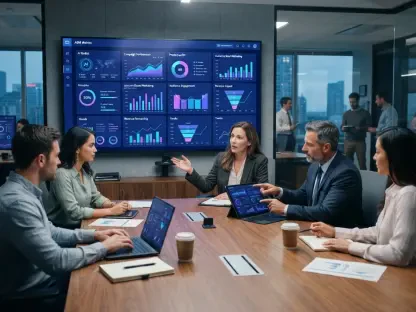
The most prominent trend moving into the 2026 to 2028 cycle is the rise of “collaborative intelligence” suites. These are not standalone tools but comprehensive ecosystems that allow multiple AI agents to work alongside human teams. One agent might handle the data analysis of a market trend, while another drafts a strategy, and a third generates the necessary visual assets. This shift toward agentic workflows represents a move away from passive tools and toward active participants that can suggest improvements and identify potential creative gaps before they become problems.
Moreover, there is an increasing move toward localizing these AI models. While cloud-based solutions remain dominant, many industries are looking toward specialized, smaller models that run on internal hardware. This trend is driven by a desire for greater control over data privacy and the need for zero-latency generation. The industry is also seeing a shift toward “multimodal inputs,” where a hand-drawn sketch or a short video clip can serve as the primary prompt for an entirely new set of assets. This cross-pollination of media types is dissolving the traditional boundaries between different creative disciplines.
Real-World Applications Across Industries
In the education sector, AI-integrated workflows have revolutionized the creation of personalized learning materials. Instead of static textbooks, schools are utilizing systems that can generate interactive diagrams and tailored audio narrations on the fly. This allows curricula to be updated in real-time to reflect current events or the specific needs of a classroom. By automating the production of these materials, educators can focus more on mentorship and less on the administrative burden of content curation, resulting in a more responsive and effective pedagogical approach.
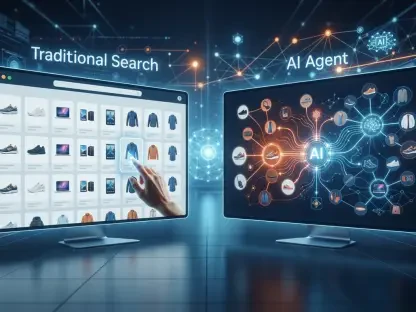
The retail and e-commerce sectors have deployed these technologies to create hyper-personalized shopping experiences. A consumer viewing an online store in 2026 might see product images and video demonstrations that have been generated specifically for them, reflecting their personal style or environment. This level of implementation has led to significant increases in conversion rates, as the content feels more relevant to the individual. These unique use cases demonstrate that AI is not just a tool for volume but a mechanism for precision, allowing brands to speak to millions of people as if they were speaking to just one.
Technical Obstacles and Ethical Considerations
Despite the rapid advancements, several technical hurdles remain, particularly regarding “hallucinations” and consistency. AI models occasionally produce artifacts or illogical details that require a human-in-the-loop to identify and correct. These limitations are particularly problematic in technical fields where accuracy is paramount. Ongoing development efforts are focused on creating more robust verification layers that can cross-reference generated content against established databases to ensure factual integrity. The energy cost associated with training and running these massive models also poses a significant sustainability challenge for the industry.
Ethically, the conversation has shifted toward the transparency of data provenance and intellectual property. The industry faces persistent questions about the rights of the original artists whose work contributed to the training sets of these powerful models. Regulatory frameworks are struggling to keep up with the pace of innovation, leading to a complex landscape of copyright disputes and platform-specific policies. Additionally, the ease of content production has sparked concerns about “digital noise,” where the sheer volume of automated output could potentially dilute the value of human-led narrative and genuine creativity.
The Future of Collaborative Intelligence
The trajectory of this technology points toward a complete synthesis of the creative process into a single, conversational interface. In the coming years, the distinction between a “designer” and a “producer” will likely vanish, replaced by the role of the “Architect of Intent.” These individuals will focus on the philosophy and strategy of a project, while the AI manages the heavy lifting of technical execution across all media formats. This will likely lead to a new era of cinematic-quality personal expression, where even an individual with no formal training can produce complex, high-fidelity narratives.
Furthermore, we are moving toward a state of “reactive media,” where content does not just exist but evolves based on viewer interaction. Imagine a training video that changes its difficulty level or its visual style based on the facial expressions or progress of the user. This future development will turn digital media into a living, breathing entity that facilitates a two-way dialogue between the creator and the consumer. The long-term impact on society will be a drastic narrowing of the “digital divide” in creative capability, empowering a much broader segment of the population to participate in the global digital conversation.
Final Assessment of AI Integration
The integration of artificial intelligence into creative workflows represented a definitive turning point in the history of digital media production. The analysis of the past few cycles showed that while the initial excitement focused on the novelty of generation, the real value emerged from the structural efficiencies of integrated systems. These frameworks proved capable of absorbing the repetitive, high-volume tasks that previously consumed the majority of creative budgets. By 2026, the technology functioned as a standard utility, as essential to the modern office as the internet itself, providing a foundation for a more agile and responsive media environment.
Ultimately, the transition to AI-integrated workflows succeeded because it prioritized the democratization of tools over the replacement of human insight. The workforce adapted by shifting focus from technical execution to strategic oversight and ethical curation. Organizations that embraced this model early on realized significant gains in both output volume and cultural relevance. Looking forward, the next logical step involves a deeper refinement of these systems to ensure they not only produce content faster but also contribute to a more accurate and equitable digital ecosystem. The verdict remains clear: AI integration was the necessary catalyst for the next phase of human digital expression.