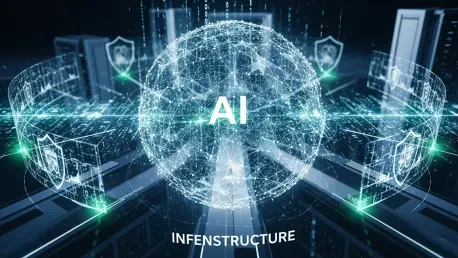

The velocity of modern supply chains has accelerated to a point where human intervention often acts as a bottleneck rather than a safeguard for complex corporate transactions. In 2026, the global marketplace relies heavily on autonomous AI agents that negotiate, finalize, and execute B2B contracts within milliseconds, creating a layer of commerce that is essentially invisible to the traditional eye. While these automated exchanges drive unprecedented efficiency, they also introduce profound vulnerabilities that legacy security frameworks are fundamentally unequipped to handle or even monitor effectively. Securing this shadow economy requires more than just standard encryption; it demands a robust, AI-native infrastructure capable of verifying intent and integrity at the speed of computation. Enterprises are now forced to rethink their digital architecture, moving toward systems where the infrastructure itself serves as the ultimate arbiter of trust. This shift ensures that every invisible handshake is backed by a verifiable trail of cryptographic proofs and behavioral analysis, preventing malicious actors from exploiting the gaps in machine-to-machine logic.
The Framework of Trust: Cryptographic Proofs and Agentic Governance
Implementing sophisticated agentic workflows allows organizations to delegate high-stakes procurement tasks to specialized AI models that can parse thousands of vendor variables simultaneously. These autonomous systems do not merely follow static scripts; they evaluate real-time market fluctuations, geopolitical risks, and historical performance metrics to determine the optimal terms for a deal. However, the invisibility of these processes means that a subtle shift in a model’s weights or a poisoned data stream could lead to catastrophic financial commitments before a human supervisor even notices a discrepancy. To mitigate this, advanced AI infrastructure integrates integrity layers that monitor the decision-making pathways of these agents in real-time. By utilizing explainability protocols, the system can flag deviations from established corporate logic or ethical guidelines, ensuring that automated negotiations remain within the bounds of strategic intent. This level of oversight transforms the infrastructure from a passive pipe into an active guardian of corporate interests.
Building on this foundation of agentic oversight, the hardware and networking layers have evolved to support secure, decentralized validation of machine-to-machine agreements. Zero-Knowledge Proofs (ZKPs) have become an essential component of the B2B tech stack, allowing companies to verify their financial solvency or compliance status without revealing sensitive proprietary data to their counterparts. This cryptographic method ensures that while the deal remains invisible to outside observers, it is mathematically guaranteed to be legitimate and authorized. Furthermore, the integration of Trusted Execution Environments (TEEs) within the server architecture provides a secure enclave where sensitive negotiations take place, isolated from the rest of the network. This prevents external tampering or unauthorized data exfiltration during the critical moments when contracts are being generated. When infrastructure is designed with these privacy-preserving technologies at its core, it creates a resilient environment where invisible deals can flourish without compromising security.
Success in securing these autonomous corporate transactions ultimately depended on a fundamental shift from reactive perimeter defense to a model of inherent, infrastructure-level trust. Organizations that thrived were those that prioritized the deployment of hardware-backed security modules and decentralized verification protocols as the baseline for all automated interactions. It became clear that managing these risks required the adoption of a unified observability framework capable of monitoring both the physical network and the logical integrity of AI agents. Strategic leaders moved away from siloed security products, choosing instead to invest in integrated AI stacks where security was treated as a primary compute function rather than an afterthought. This transition allowed for the scaling of autonomous operations without the fear of systemic collapse due to algorithmic manipulation. By the time these technologies reached maturity, the industry established a new standard where transparency was maintained through cryptographic certainty rather than human oversight. Moving forward, the focus shifted to refining these automated safeguards to ensure they remained resilient against machine-led threats.