
The transition from manual lead tracking to fully integrated digital sales ecosystems represents the most significant operational shift in the hospitality sector since the introduction of online booking engines. As venues face a marketplace where consumer expectations are higher than ever, the traditional methods of handling inquiries are proving insufficient. The current state of the hospitality sector is characterized by a rapid move away from fragmented manual processes toward centralized software-as-a-service platforms. This evolution is particularly visible in the boutique hotel and high-end event planning segments, where the strategic significance of every lead is magnified by the potential for high-value, recurring business.
The necessity for this technological intervention is further compounded by persistent labor shortages that have forced many operators to do more with less. By implementing automated workflows, venues can maintain rigorous service standards without overburdening a leaner staff. Specialized platforms have emerged as the backbone of modern sales departments, providing the infrastructure needed to manage complex inquiries with a level of precision that was previously impossible. This shift is not merely about efficiency; it is a fundamental reconfiguration of how hospitality brands interact with their prospective clients from the very first touchpoint.
The Digital Evolution of Hospitality Sales and Venue Management
Examining the trajectory of the hospitality industry reveals a clear trend toward the total integration of digital tools into daily sales operations. In the past, venue managers often relied on a combination of spreadsheets and physical calendars, a system that invited human error and significant delays. Today, the focus has shifted toward creating a seamless pipeline where an inquiry is instantly captured and analyzed by a central system. This modernization is driven by the need for real-time data visibility, allowing management to track the health of their sales funnel at any given moment.
Strategic lead management has become the focal point of the event planning sector, where the competition for prime dates and venues is fierce. SaaS platforms specifically designed for hospitality have become essential, offering features that standard customer relationship management tools lack, such as banquet event order generation and kitchen communication syncing. These platforms serve as a bridge between the marketing efforts that generate interest and the operational teams that deliver the final guest experience. As the industry matures, the role of these specialized technologies will only continue to grow, setting the standard for how successful venues operate.
Emerging Dynamics in Automated Lead Processing and Intelligence
Technological Advancements and Shifting Consumer Expectations
The phenomenon known as speed to lead has redefined the benchmarks for success in the hospitality sales environment. Modern clients expect almost instantaneous acknowledgment of their inquiries, regardless of the time or day they reach out. This shift in consumer behavior has made manual response times a significant liability, as a delay of even a few hours can result in a lead moving on to a more responsive competitor. Automation provides the necessary agility to meet these demands, ensuring that every prospect receives an immediate and professional initial response.
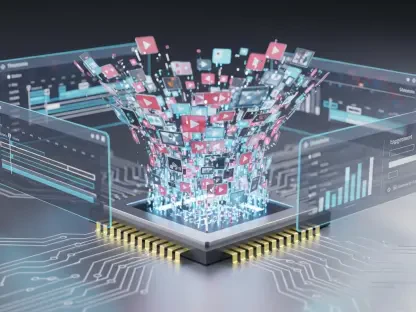
Moreover, the rise of omnichannel inquiries has added layers of complexity to the lead management process. Prospects now engage with venues across a variety of platforms, including social media, third-party marketplaces, and direct corporate websites. Managing this influx requires a system capable of consolidating diverse data streams into a single, actionable interface. Artificial intelligence is beginning to play a crucial role here, offering advanced inquiry routing and basic guest interaction capabilities that allow human coordinators to focus on the nuances of event customization.
Data-Driven Growth and Market Performance Projections
Analyzing market data reveals a stark contrast in performance between venues that utilize automated lead handling and those that do not. Conversion rates for automated systems consistently outperform manual methods, largely due to the consistency and persistence of automated follow-ups. From 2026 through the end of the decade, the adoption of integrated management platforms is expected to accelerate as more operators recognize the tangible return on investment. These platforms reduce administrative overhead while simultaneously increasing the capacity for higher booking volumes.
Performance indicators now extend beyond simple revenue figures to include administrative time savings and lead-to-booking velocity. By measuring the return on investment through these lenses, hospitality operators can justify the initial costs of technological adoption. The long-term projections suggest that data-informed venues will hold a significant competitive advantage, as they can leverage historical performance data to refine their sales strategies and capture a larger share of the market. This shift toward a more analytical approach marks a departure from the intuition-based decision-making of the past.
Navigating the Complexities of Technological Adoption
A primary challenge facing venue operators is the risk of lead leakage, where inquiries are lost due to fragmentation across disparate communication channels. When information is scattered across various email accounts and social media profiles, it becomes nearly impossible to maintain a cohesive sales strategy. Modern automation hubs address this by creating a centralized repository for all interactions, ensuring that no lead is overlooked. However, overcoming the technical barriers of integrating these modern hubs with legacy property management systems remains a hurdle for many established hotels.
The transition also requires a thoughtful approach to staff training and organizational culture. Employees who were once buried in administrative tasks must be retrained to take on high-value, relationship-focused roles. This move away from data entry allows the sales team to focus on the creative aspects of event planning, which are essential for building long-term client loyalty. By mitigating the risk of human error during the transfer of data from an inquiry to a banquet event order, automation ensures that the final event execution aligns perfectly with the client’s original vision.
Security Standards and Data Governance in Event Management
The collection of prospective guest data brings with it a significant responsibility regarding privacy and regulatory compliance. Frameworks such as GDPR and CCPA have established a complex landscape that hospitality operators must navigate with care. Automated systems provide a layer of protection by ensuring that data collection is standardized and stored within secure, cloud-based environments. This systematic approach to data governance is essential for maintaining the trust of corporate clients who often have their own stringent security requirements.
Furthermore, the integration of secure payment processing and automated invoicing is a critical component of financial compliance. Modern hospitality ecosystems eliminate the need for manual handling of sensitive credit card information, reducing the risk of data breaches and financial fraud. By establishing best practices for data privacy within their technological infrastructure, venues can protect their reputation and avoid the significant penalties associated with non-compliance. This focus on security is a foundational element of any professional lead management strategy.
The Future of High-Touch Hospitality in an Automated Era
The coming years will likely see a shift toward hyper-personalized guest experiences that are powered by backend sales intelligence. Predictive analytics will enable venues to forecast seasonal demand with incredible accuracy, allowing for the optimization of pricing strategies and resource allocation. While technology will handle the bulk of the administrative work, the human element will remain the core of the hospitality industry. Automation is intended to support the personal connection, providing the data needed for coordinators to offer more tailored and thoughtful recommendations to their clients.
Innovative disruptors, such as virtual reality site tours integrated directly into the automated lead funnel, are poised to change how prospects evaluate venues. These tools allow potential guests to experience a space without ever stepping foot on the property, significantly shortening the sales cycle. As these technologies become more accessible, they will become a standard part of the automated inquiry process. The ability to blend these high-tech features with high-touch service will define the most successful hospitality brands in the years ahead.
Strategic Imperatives for Modern Hospitality Operators
The industry report highlighted a definitive shift where automation moved from a competitive edge to a baseline requirement for hospitality survival. Venues that integrated these systems experienced a significant reduction in administrative friction, which directly correlated with increased annual revenue. The analysis showed that the centralization of inquiries was the most effective way to combat the problem of lead leakage. Operators who prioritized the speed of response through automated acknowledgments were able to capture a higher percentage of the market share compared to those using manual methods.
Management teams eventually recognized that the successful implementation of technology depended on the simultaneous elevation of staff roles. By removing the burden of data entry, coordinators focused on relationship building and high-value negotiations. The transition toward data-informed sales ecosystems provided a clearer path for long-term financial stability. Ultimately, the industry reached a consensus that the future of hospitality rested on the balanced integration of sophisticated automation and genuine human hospitality. Operators who moved quickly to adopt these strategic imperatives secured a more resilient position in an increasingly crowded and demanding marketplace.