
The traditional three-week production cycle for high-end cosmetic commercials is rapidly becoming a relic of a slower era as digital marketers pivot toward near-instantaneous creative workflows. This evolution is not merely a shift in tools but a fundamental reimagining of how beauty is communicated to a global audience. The industry has moved from the rigid constraints of physical studio sets and expensive lighting crews to a landscape where professional cinematography is generated through advanced algorithms. ByteDance has positioned Seedance 2 at the heart of this transition, providing a bridge between high-concept artistic vision and automated execution.
The current beauty landscape is defined by an insatiable demand for content that resonates with hyper-specific demographics across multiple digital platforms. Skincare and cosmetic brands now integrate multimodal AI to maintain a competitive edge, ensuring that their visual output matches the speed of viral trends. While established global beauty houses were initially cautious, the current adoption curve shows that even heritage brands are following the lead of indie startups. These smaller players have used AI to punch above their weight, creating campaigns that rival the aesthetic quality of multi-million-dollar productions.
Technology has effectively democratized the visual language of luxury, allowing brands to experiment with atmospheric controls and complex lighting without the overhead of a traditional shoot. Seedance 2 serves as a pivotal mechanism in this environment, offering a level of precision that was previously unattainable through purely generative means. By synthesizing text, image, and motion inputs, the platform allows creative teams to maintain brand consistency while exploring a wider variety of visual narratives.
The Paradigm Shift in Beauty Marketing and Digital Content Creation
The shift in beauty advertising has been characterized by a move away from static, idealized imagery toward dynamic, high-velocity video content. In the past, a single campaign might involve months of post-production and color grading to achieve the perfect finish. Today, the integration of multimodal AI allows for a more fluid creative process where adjustments to skin texture or lighting can be made in real time. This agility has changed the role of the marketing department, transforming it into a high-speed production hub capable of reacting to market shifts within hours rather than weeks.
Seedance 2 has significantly influenced this paradigm by narrowing the gap between amateur content creation and professional-grade cinematography. The platform provides tools that mimic the movements of a physical camera, such as soft pans and rack focuses, which are essential for highlighting the subtle textures of serums and powders. This capability ensures that the automated output feels deliberate and artistic rather than a random assembly of digital fragments. As a result, the distinction between filmed footage and AI-generated assets is becoming increasingly difficult for the average consumer to detect.
Furthermore, the adoption curve for these tools reveals a fascinating divide between indie innovators and global giants. Early adopters in the indie space utilized AI to bypass the financial barriers of traditional advertising, effectively leveling the playing field. However, as the technology matured in late 2025 and into 2026, global beauty houses began incorporating these workflows into their internal agencies. This widespread acceptance has standardized AI as a legitimate component of the creative mix, ensuring that automated content is no longer seen as a shortcut but as a sophisticated strategic asset.
The Rise of Automated Visual Storytelling and Market Projections
Emerging Trends in AI-Driven Video Production
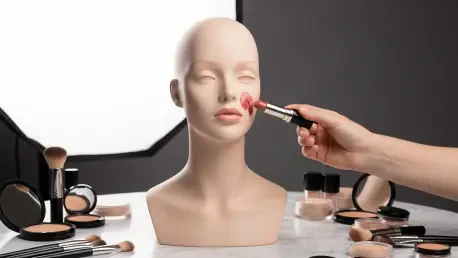
The fusion of text, image, and audio inputs is currently creating cohesive brand narratives that feel more personal and localized than ever before. This multimodal approach allows a brand to take a single product photo and generate a series of diverse advertisements tailored to different cultural contexts. For instance, a lipstick shade can be showcased across various skin tones and lighting environments in a single generation cycle. This level of hyper-personalization is no longer a luxury but a requirement for brands seeking to capture attention in a saturated digital marketplace.
Another significant trend involves the rise of influencer-style automation and the growth of faceless beauty accounts. These digital entities utilize AI-generated tutorials that mimic the mannerisms and aesthetic styles of human creators, providing consistent educational content without the logistical challenges of managing a talent roster. These virtual personalities can produce high volumes of “get ready with me” style videos that feel authentic to the platform while remaining entirely within the brand’s control. This trend is particularly effective for explaining complex skincare routines where repetitive, high-clarity visuals are necessary.
Data-Driven Growth and the Future of AI Video
The financial implications of this technological leap are substantial, with the AI video market projected to reach a valuation of approximately $7.4 billion by 2027. The beauty and fashion sectors are leading this expansion, driven by the need for high-frequency visual refreshes that keep pace with social media algorithms. Data suggests that companies utilizing Seedance 2 have experienced efficiency gains of up to 30% in rendering speeds compared to previous generation models. This reduction in time-to-market directly translates into a lower cost-per-asset, allowing brands to redistribute their budgets toward strategic media buying.
Market performance indicators also highlight a growing long-term reliance on AI tools for seasonal campaign refreshes. Instead of commissioning entirely new shoots for every holiday or product update, brands are using existing assets to generate fresh iterations. This forecast suggests that by the end of 2027, a majority of digital-first beauty brands will rely on automated workflows for at least 70% of their social media output. The scalability of these tools ensures that high-volume production does not result in a dilution of brand quality, as the AI maintains a consistent aesthetic across thousands of individual assets.
Navigating the Technical Hurdles and Creative Limitations
Despite the impressive capabilities of Seedance 2, creative teams must still overcome the hurdle of prompt vagueness to ensure brand alignment. Crafting a brief that accurately captures the specific nuances of a brand’s visual identity requires a new set of skills. Without precise inputs, the AI can produce visuals that, while high in quality, feel disconnected from the established brand narrative. Refined prompting strategies involve the use of technical terminology related to lighting, camera angles, and color theory to guide the AI toward a more specific and predictable outcome.
There is also a persistent narrative gap where AI occasionally struggles to execute complex storytelling and deep emotional arcs. While a tool can generate a stunning shot of a product, the subtle nuances of human expression and the emotional resonance of a well-directed scene often remain the domain of human directors. This limitation means that AI is currently most effective as a tool for product-centric content and high-volume social clips rather than long-form cinematic storytelling. Brands must find a balance between the efficiency of automation and the soulful direction that only human experience can provide.
Technical learning curves also present a challenge for smaller teams that may lack the specialized knowledge to operate advanced controls. While Seedance 2 offers deep customization, it requires a certain level of technical literacy to master. In contrast, more accessible interfaces like BigMotion AI have emerged to bridge this gap, offering template-based solutions that allow users to achieve professional results without deep technical training. This tiered approach to the market ensures that both high-level agencies and solo entrepreneurs can find a workflow that suits their specific needs and technical capabilities.
Regulatory Standards and Ethical Content Practices
As synthetic media becomes more prevalent, the industry is facing increased scrutiny regarding commercial licensing and compliance. Navigating the legalities of using AI-generated visuals in paid advertisements is a primary concern for legal departments. It is essential for brands to ensure that the models and training data utilized by their AI tools are properly licensed to avoid potential intellectual property disputes. This requirement has led to the development of more transparent AI ecosystems where the origin of training sets is clearly documented and verified for commercial use.
Asset integrity and security also play a critical role in the integration of AI into corporate workflows. Brands must ensure that their proprietary images and intellectual property are protected when uploaded to cloud-based AI platforms. Leading developers have responded by implementing more robust security protocols that ensure source images remain confidential and are not used to train models for competitors. This focus on data sovereignty is vital for maintaining the unique visual signatures that define high-end beauty brands in a crowded market.
Transparency in AI advertising is another evolving area of concern, as regulatory bodies begin to mandate disclosures for synthetic media. Consumer trust is paramount in the beauty industry, and clear labels indicating that a video was generated with AI help maintain a healthy relationship with the audience. Brands are increasingly adopting these standards proactively, using them as an opportunity to showcase their technological innovation rather than viewing them as a restrictive burden. This shift toward transparency ensures that the beauty industry remains ethical as it moves into a more digitalized future.
The Future Roadmap of AI-Enhanced Beauty Aesthetics
The next generation of AI beauty tools will likely focus on unprecedented levels of realism, particularly in the depiction of motion and texture. We can expect to see significant improvements in the way AI handles the physics of liquid products, such as the way a foundation pours or how a gloss reflects light. These microscopic details are essential for luxury brands that rely on the sensory appeal of their products to drive sales. Enhanced atmospheric controls will also allow for the creation of more immersive environments, from the soft glow of a morning sun to the neon-drenched streets of a futuristic city.
Scalability will continue to be a primary driver of innovation, with batch production capabilities allowing brands to launch global campaigns in multiple languages simultaneously. The ability to automatically adjust voiceovers, on-screen text, and visual backgrounds to fit local preferences will make global marketing more efficient than ever before. This globalization of content will allow even mid-sized brands to compete on a world stage, as the cost of tailoring campaigns for different regions will be drastically reduced. The focus will move from the logistics of production to the strategic alignment of the brand message across various cultures.
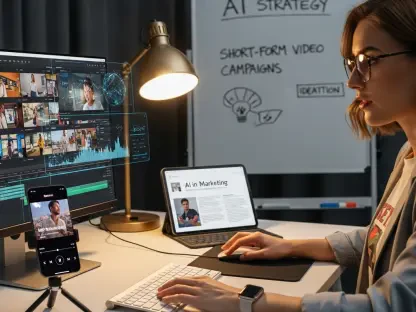
The role of the creative professional is also undergoing a significant transformation, evolving from a traditional Creative Director into an AI Strategist. This new role involves guiding automated tools to ensure they remain aligned with the overarching brand strategy. The human element will remain vital for setting the creative vision and making the final decisions on which AI-generated assets best represent the brand’s values. As the tools become more capable, the emphasis will shift from technical execution to the high-level conceptual thinking that defines a truly successful beauty campaign.
Final Assessment of the AI Beauty Revolution
The integration of Seedance 2 into the beauty sector has successfully compressed production costs while maintaining the high-quality standards required for 4K digital platforms. This technological evolution proved to be more than a passing trend, as it fundamentally altered the return on investment for digital video content. Brands that embraced these tools early were able to dominate the social media landscape by providing a constant stream of fresh, engaging visuals that kept their audiences interested. The efficiency gains observed throughout 2026 demonstrated that AI is an essential component of any modern marketing strategy, providing the speed and flexibility necessary to thrive in a high-velocity environment.
Strategic recommendations for the coming years suggested that beauty brands should treat AI as a production accelerator rather than a total replacement for human creativity. Successful campaigns combined the technical precision of Seedance 2 with the strategic oversight of experienced directors to produce content that was both efficient and emotionally resonant. The most effective approach involved using AI to handle high-volume assets and seasonal refreshes while reserving traditional production for core brand storytelling. This hybrid model ensured that brands could maximize their output without sacrificing the unique personality that set them apart from their competitors.
Ultimately, the AI beauty revolution has democratized high-end marketing, allowing brands of all sizes to produce world-class visual content. The barriers to entry that once protected the largest players were lowered, fostering a more diverse and competitive marketplace. As the industry looked toward 2027 and beyond, the focus shifted toward refining these tools to achieve even greater levels of realism and ethical transparency. The transition to AI-driven workflows represented a permanent shift in the way beauty is defined and shared, marking a new era of creative expression where the only limit was the imagination of the strategist behind the machine.