
The rapid proliferation of sophisticated generative tools within the bustling digital markets of Lagos and Abuja has fundamentally altered the way visual storytelling occurs on modern social platforms. Nigerian influencers and corporate entities are increasingly pivoting toward high-end automated visuals to maintain a competitive edge without the steep overhead costs traditionally associated with professional photography and graphic design. This shift is particularly evident on Instagram, where the pressure to produce a constant stream of polished, aesthetically pleasing content often outpaces the logistical capacity of many independent creators. As these advanced tools become standard features of the production workflow, the local industry is witnessing a significant transition in how digital presence is constructed and managed. The core challenge now lies in balancing the efficiency of computer-generated imagery with the authentic narratives that define Nigerian success in the global marketplace.
1. Digital Transformation: The Mechanics of Muse Image AI
Developed by Meta Superintelligence Labs as a centerpiece of their current ecosystem, Muse Image AI functions as a deeply integrated layer across Instagram, WhatsApp, and the broader Meta AI interface. The technology allows users to synthesize entirely new visuals or meticulously modify existing photographs through simple text-based prompts or specific image uploads. This capability has democratized high-fidelity production, enabling users who lack formal training in digital art to manifest complex concepts into tangible assets within seconds. By leveraging massive datasets and sophisticated neural networks, the system interprets nuances in lighting and composition that were previously the exclusive domain of expensive studio environments. This accessibility ensures that the barrier to entry for professional content remains low, allowing a broader demographic of Nigerian participants to engage with global trends while utilizing the familiar interfaces of their favorite messaging and social applications.
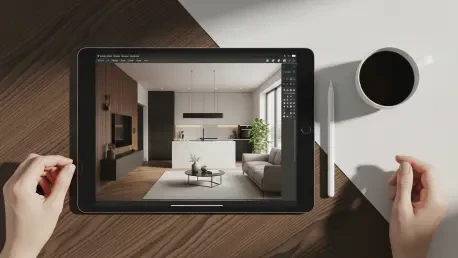
Beyond the realm of aesthetic enhancement for personal branding, small businesses across the Nigerian landscape are finding practical utility in the functional assets generated by this specialized AI. Entrepreneurs are utilizing the tool to create customized QR codes, detailed infographics, and unique interior design visualizations that would otherwise require outsourcing to specialized agencies. This pragmatic application of technology serves as a vital resource for the burgeoning startup scene, where resource allocation is often a critical factor for long-term sustainability. The ability to iterate on product concepts or marketing materials in real-time provides these enterprises with an agility that was virtually impossible in previous years. Furthermore, the integration into Meta AI allows for a seamless transition from creation to distribution, streamlining the marketing funnel for vendors who rely heavily on social commerce to reach their target audiences as the technology matures and expands.
2. Privacy Dilemmas: Managing Risks and User Controls
The rapid introduction of these features has not been without significant controversy, especially regarding the initial implementation of automated data scraping that allowed users to pull photos from public profiles without notification. This led to immediate protests from major organizations like SAG-AFTRA and the Creative Artists Agency. Within the specific context of the Nigerian influencer economy, these developments raised serious concerns about the vulnerability of creators who rely on public engagement to secure brand deals. This prompted local regulatory bodies, such as the National Information Technology Development Agency, to begin comprehensive reviews of how global AI features align with regional data protection laws. The focus is increasingly on ensuring that citizens maintain agency over their digital likenesses and that international tech giants remain accountable to local privacy standards as the relationship between creators and these algorithmic platforms grows complex.
To manage these risks, individuals followed a specific process to secure their accounts from automated processing. They launched the Instagram app and tapped the three-line menu icon located in the upper-right corner before navigating to the Settings menu and selecting the Sharing and Reuse category. Users then deactivated the toggle that permits others to create content with or repurpose your posts and disabled the specific setting that allows your media to be used across Instagram and within Meta’s AI functions. Finally, they turned off the option that lets others remix your original audio clips using Meta AI. As these security habits took hold, the digital landscape shifted toward a model where human authenticity became a premium asset in a sea of synthetic media. Meta further supported this transition by introducing a 24/7 AI assistant that helped resolve security issues and scams, ensuring innovation supported the regional creative economy and individual privacy rights.