
Bridging the Gap Between Cultural Noise and Genuine Consumer Engagement
The rapid evolution of digital consumption patterns has forced a paradigm shift where static advertising no longer effectively captures the attention of an increasingly cynical and fragmented global audience. This transition requires a move away from broadcasting toward a connected content ecosystem that thrives on real-time adaptation and active dialogue. Traditional marketing encounters significant resistance because it often ignores the fluidity of modern digital spaces, relying instead on rigid structures that feel out of touch with the current cultural zeitgeist. By adopting a more organic approach, brands can navigate the overwhelming surge of digital noise and foster genuine connections that resonate beyond a simple screen interaction.
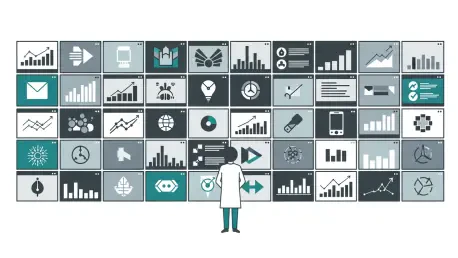
This connected paradigm is defined by its ability to unify fragmented media, commerce, and creator marketing into a cohesive and living development process. Unlike legacy models that treat creative development as a final, static endpoint, this approach views content as an evolving entity that responds to various consumer signals. The goal is to understand the inherent complexity of modern behavior and use that insight to underpin every brand interaction, ensuring that messaging is not just seen but is actually felt. This shift transforms a brand from a background distraction into a relevant participant in the ongoing social and commercial conversations of the audience.
The Breaking Point of Traditional Advertising and the Rise of Ad Avoidance
Modern consumers have reached a saturation point where traditional marketing is frequently perceived as a disruption rather than a value-add. Statistics indicate that an overwhelming majority of people find a poorly executed or misplaced advertisement more damaging to a brand’s reputation than no advertisement at all. This environment has fostered sophisticated methods of ad avoidance, ranging from the use of technical blocking tools to the psychological tuning out of commercial clutter. Consequently, the reliance on high-volume, low-relevance messaging has become a liability that drains resources while alienating potential customers.
Legacy methods such as atomization—the practice of taking a single large commercial and slicing it into smaller clips for various social platforms—no longer suffice in a world where context is king. This “spray and pray” strategy fails to account for the unique mindset of a consumer on TikTok versus their mindset while browsing a retail site or watching a streaming series. When a message feels technically or contextually mismatched for its platform, it highlights the lack of empathy in the marketing strategy. Understanding the obsolescence of these mechanical distribution methods is the vital first step toward developing a strategy that respects the intelligence and time of the modern audience.
Implementing the Connected Content Model Through Data and Strategy
To effectively implement a connected content model, organizations must move beyond the constraints of static planning and embrace a more dynamic framework. This requires a fundamental shift in how data is gathered and how strategic decisions are executed in real-time.
Step 1: Mastering the Catch and Release Methodology
The catch and release methodology serves as the foundation for a responsive marketing strategy that prioritizes timing and context. By “catching” data across various dimensions before “releasing” tailored content, a brand ensures its messaging feels earned rather than forced.
Identifying High-Value Signals Across Consumer and Culture Dimensions
Success in this model depends on a constant pulse on individual behaviors and the fast-moving social trends that define the current era. Monitoring these high-value signals allows a brand to pivot its messaging to align with the specific topics, sentiments, and events that occupy the consumer’s immediate attention.
Synchronizing Media and Commerce Signals for Real-Time Relevance
True relevance occurs when a brand aligns purchase intent with broader retail trends to bridge the gap between awareness and conversion. Content must function as more than just a visual stimulus; it should act as a direct pathway to a solution or product that the consumer is already seeking at that specific moment.
Step 2: Transitioning from Silos to a Starburst Organizational Structure
Siloed departments represent one of the greatest obstacles to modern marketing efficiency because they cause a loss of contextual nuance during the hand-off process. Moving toward a starburst organizational structure ensures that information flows outward to all necessary teams simultaneously.
Breaking Down Barriers with Unified Creative and Media Briefing
A unified briefing process involves creative, media, and commerce teams from the very inception of a campaign to ensure alignment. This prevents the common mistake of producing high-quality assets that are contextually inappropriate for the media channels where they are intended to live.
Empowering Agentic Teams to Act as Co-Equal Partners
Creative and media specialists must operate as co-equal partners throughout the entire lifecycle of a project to optimize results. This partnership ensures that executions are specifically tailored for either the “lean-back” entertainment mindset or the “active” shopping mindset of the audience.
Step 3: Leveraging AI to Power a Living Content Ecosystem
Modern marketing generates a volume of signals that far exceeds human processing capabilities, making technological integration a necessity. Artificial intelligence provides the infrastructure to manage this complexity, acting as the primary engine for a content ecosystem that never sleeps.
Automating Real-Time Adaptation to Rapid Cultural Shifts
AI enables brands to adjust their creative output at the speed of digital culture, ensuring that messaging remains relevant even as trends shift overnight. This capability transforms a static campaign into a dynamic conversation that evolves alongside the audience without manual intervention.
Refining Content Fluidity Through Continuous Learning Loops
By treating content as an iterative process rather than a final product, marketers can use performance data to refine their output constantly. These continuous learning loops allow for a level of precision and fluidity that traditional production cycles could never achieve.
Key Pillars of a Hyper-Relevant Content Strategy
- Relatability: Prioritize ads that reflect the personal experiences and diverse realities of the audience to increase emotional connection.
- Contextual Alignment: Match the tone, visual style, and utility of the ad to the specific platform and content the consumer is already viewing.
- Precision Timing: Deliver messages at the exact moment they are most useful or entertaining to the consumer to minimize perceived intrusion.
- Intentional Quality: Focus on high-quality ad experiences that directly correlate with increased purchasing power and brand loyalty.
The Future of Marketing in an Era of Media Fragmentation
The move toward connected content signifies a broader industry shift from simple brand consistency to total hyper-relevance. As second-screening becomes an ingrained habit and ad-blocking tools become more sophisticated, the ability to be present in the right moment is the only way to retain any measure of consumer attention. This evolution suggests that the boundaries between creators, commerce, and traditional brands will continue to blur, requiring a more holistic view of the consumer journey.
Future developments will likely see even deeper integration between automated creative production and real-time commerce data. Staying ahead of this curve requires a willingness to experiment with new technologies and a commitment to radical organizational transparency. Brands that fail to invest in these capabilities may find themselves invisible in an environment where the consumer’s ability to ignore irrelevant marketing has never been higher.
Moving Beyond Consistency Toward Meaningful Human Connection
The transition toward a connected content model represented a fundamental reorganization of how brands interacted with their audiences. It became clear that visibility depended entirely on the ability to move beyond static broadcasting and engage in a more genuine, data-informed dialogue. Organizations that conducted thorough creative audits and broke down internal silos successfully turned the threat of ad fatigue into a unique opportunity for growth. They recognized that the old ways of “atomizing” content were no longer sufficient for a population that demanded authenticity and contextual relevance.
By prioritizing contextual empathy and utilizing artificial intelligence as a strategic engine, these forward-thinking marketers secured a more meaningful connection with the human beings on the other side of the screen. The lessons learned from this shift emphasized that technology should not be used merely for efficiency, but as a bridge to deeper understanding. Moving forward, the focus remained on staying fluid and responsive, ensuring that every brand interaction added value to the consumer’s digital life rather than detracting from it. This journey proved that the solution to ad fatigue was not to shout louder, but to listen more closely and act more precisely.