
The contemporary marketing environment has reached a point where the sophistication of consumer demand for immediate, personalized interaction is currently overwhelming the technological infrastructure of most global enterprises. Industry leaders are observing a landscape where the promise of automation frequently collides with the friction of legacy data systems, creating a notable performance gap. This exploration draws from the latest “State of Marketing” report, an extensive analysis of 4,500 global professionals, to highlight a transformative era defined by the pursuit of authentic, two-way dialogue. While the allure of Artificial Intelligence looms large as a potential mechanism to bridge this divide, the industry is currently snagged on foundational hurdles. The analysis explores the critical tension between high-tech aspirations and the persistent reality of fragmented data, shifting organizational roles, and the emerging necessity for AI autonomy.
Navigating the High Expectations and Operational Realities of Modern Marketing
The digital landscape has reached a pivotal juncture where the demands of the consumer are rapidly outpacing the operational capabilities of even the most sophisticated brands. For many organizations, the primary challenge is no longer the acquisition of technology but the integration of that technology into a cohesive strategy. The latest industry data underscores a period defined by a search for meaningful engagement in an increasingly crowded digital marketplace. Understanding this dynamic is essential for any professional seeking to remain competitive in a field where the rules of engagement are being rewritten by algorithmic capabilities and shifting privacy standards.
The current state of affairs suggests that marketing has moved beyond the era of simple digitization. It is now entering a phase where the ability to interpret vast amounts of data in real-time determines a brand’s relevance. High-performing teams are those that recognize the limitations of manual intervention and are moving toward systems that can anticipate customer needs before they are explicitly stated. This article examines how the transition toward automated intelligence is being managed and identifies the specific barriers that prevent many firms from achieving their desired outcomes.
The Historical Shift: From Broadcasting to Two-Way Dialogue
For several decades, marketing functioned primarily as a one-way broadcast, acting as a megaphone used by brands to push messages toward a largely passive audience. This model relied on volume and reach, prioritizing the frequency of impressions over the quality of interaction. However, the rise of social media and real-time digital communication has fundamentally altered this power dynamic, giving consumers the ability to talk back and demand immediate responses. Industry shifts have moved the goalposts from mere reach to meaningful, persistent engagement, forcing brands to reconsider their entire communication architecture.
Past developments focused heavily on digitizing traditional workflows, but today’s landscape demands a level of responsiveness that manual systems simply cannot sustain. Understanding this evolution is vital because it explains why current “responsiveness gaps” are so damaging to brand equity. In a world where speed is synonymous with quality, the inability to converse in real-time is no longer just a minor operational inefficiency; it is a threat to brand survival. The transition from being a broadcaster to becoming a conversationalist requires a complete overhaul of how data is collected, processed, and acted upon across the entire enterprise.
Bridging the Chasm: Strategy versus Execution
The AI Adoption Paradox: Why Fluency Matters More Than Tools
A significant milestone has been reached in the marketing sector, with three out of four teams now incorporating some form of AI into their daily operations. This widespread adoption suggests that the technology has moved from a futuristic concept to a baseline requirement for modern business. However, a critical analysis reveals a paradox: while tools are ubiquitous, optimization remains elusive for the majority of practitioners. Many organizations are simply layering advanced AI capabilities over antiquated, siloed workflows, which limits the potential impact of the technology and often results in fragmented customer experiences.
The primary benefit reported by professionals is time reclamation, yet the value of that time is often lost if the workforce lacks what is now known as “AI fluency.” To thrive in the period from 2026 to 2028, marketers must transition from being manual executors to becoming orchestrators who can interpret complex data and guide autonomous systems effectively. This shift requires a new set of skills that focus on strategic oversight rather than tactical execution. Organizations that fail to invest in the training and development of their teams risk owning powerful tools that they do not fully understand how to leverage.
The Personalization Paradox: Solving the Data Disconnection
Despite years of heavy investment in personalization technologies, a staggering 84% of marketers admit their campaigns still feel generic to the end-user. This failure is rarely due to a lack of creative talent or a deficiency in the tools themselves; rather, it is a direct consequence of fragmented data architecture. When customer insights are trapped in departmental silos—such as service, sales, and commerce—the marketing engine lacks the unified view necessary to deliver a truly relevant experience. This disconnection creates a jarring experience for the customer, who expects a brand to remember their history across every touchpoint.
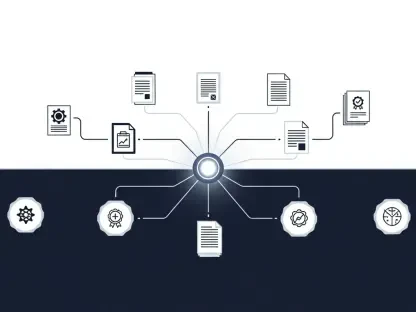
High-performing teams are increasingly distinguishing themselves through the implementation of unified customer data platforms. These systems allow for “closed-loop” reporting and accurate attribution, proving that AI cannot create meaningful personalization in a data vacuum. By consolidating data from various sources into a single source of truth, brands can finally move away from broad segmentations and toward individual-level interactions. The ability to activate this data in real-time is becoming the primary differentiator between market leaders and those struggling to maintain customer interest.
Regional Nuances: The Rise of Agentic Systems and Coordinated Autonomy
The complexity of the current market is further intensified by the shift toward “agentic marketing,” where AI moves from a passive assistant to an active, autonomous agent. Sixty-one percent of marketers are already experimenting with these autonomous systems to trigger customer journeys and adjust messaging in real-time without constant human intervention. This represents a fundamental change in how campaigns are managed, moving away from rigid schedules and toward fluid, responsive interactions. However, a common misconception is that these agents can function independently of human context or organizational values.
The effectiveness of an AI agent is entirely dependent on real-time data activation; without current signals, an autonomous system risks delivering fast but fundamentally irrelevant interactions. Furthermore, regional differences in data privacy regulations and market maturity mean that “coordinated autonomy” must be tailored to specific local environments. Marketers must maintain a balance between allowing systems to act independently and ensuring they remain aligned with the brand’s voice and legal obligations. Those who master this balance will be able to scale their efforts in ways that were previously impossible with human-only teams.
Future Trends: Autonomous Marketing and Revenue Accountability
The marketing landscape is bracing for a structural transformation that shifts the focus from “vanity metrics” to hard financial accountability. Emerging trends indicate that marketing is no longer being viewed as a cost center but as a documented driver of the sales pipeline. Organizations are moving toward KPIs that are tied directly to revenue growth, necessitating a much tighter alignment between marketing, sales, and service departments. This shift is driving a demand for better attribution models that can clearly demonstrate the return on investment for every dollar spent.
Experts predict that the next wave of innovation will involve more sophisticated AI agents capable of managing entire customer lifecycles with minimal human intervention. As the industry moves forward from 2026, the emphasis will be on solving the underlying issues of data transparency and cross-departmental integration. Regulatory changes regarding data privacy will likely continue to evolve, forcing brands to be more transparent about how they use customer information to power their autonomous systems. The brands that can build trust while delivering high-speed, personalized value will be the ones that capture the largest share of the market.
Actionable Strategies: Building a Data-Driven Foundation
To overcome the challenges highlighted in current industry reports, businesses must prioritize several key strategies designed to modernize their operations. First, leaders should focus on dismantling data silos by investing in unified data platforms that provide a “single source of truth” across all departments. This foundation is necessary for any successful AI implementation. Second, organizations must foster AI fluency within their teams, encouraging a shift from execution-based roles to strategic oversight. This involves ongoing education and a willingness to rethink traditional job descriptions to better align with technological capabilities.
Best practices also include moving toward “coordinated autonomy,” where human creativity is augmented by real-time AI adjustments. This approach allows brands to maintain a human touch while benefiting from the speed and scale of automation. For professionals, the recommendation is clear: move beyond clicks and impressions and begin measuring success through the lens of revenue impact and long-term customer lifetime value. By aligning marketing goals with overall business objectives, professionals can secure the resources and executive support needed to drive meaningful digital transformation.
The Path Toward Coordinated Autonomy and Integrated Truth
The industry successfully navigated a period of intense technological disruption by prioritizing the integration of data and the empowerment of human talent. Marketing leaders moved away from the mere adoption of tools and instead focused on the structural changes required to support a more responsive, autonomous future. This shift allowed brands to finally close the gap between customer expectations and operational reality. By dismantling the silos that once hindered growth, organizations created a more unified approach to the customer journey that prioritized relevance and speed above all else.
Strategic initiatives focused on revenue accountability and data transparency eventually replaced the pursuit of superficial engagement metrics. This evolution ensured that marketing remained a central driver of business success, grounded in the reality of the sales pipeline rather than the ambiguity of clicks. The brands that thrived were those that recognized that technology is a multiplier of existing data quality and organizational vision. Ultimately, the successful alignment of human creativity with autonomous systems provided the foundation for a new era of digital commerce where dialogue became the primary currency of brand value.