
The dividing line between a marketer’s creative vision and a fully executed digital campaign is dissolving into a simple conversation with an artificial intelligence. This profound transformation signals a move away from slow, siloed execution models toward a future of rapid, AI-augmented creation. The very role of the marketer is being redefined, shifting from a manager of complex processes to a direct creator of tangible assets. This analysis will define the emerging trend of vibe marketing, explore the technologies that power it, examine real-world tools putting these principles into practice, and offer a strategic roadmap for navigating this new landscape.
Understanding the Vibe Marketing Revolution
The Genesis and Core Principles of a New Paradigm
The origins of vibe marketing are directly inspired by a parallel movement in software development known as “vibe coding,” a practice where developers use natural language to describe the desired feeling and function of an application, which AI then translates into functional code. This concept has now permeated the marketing world, allowing professionals to articulate their strategic vision in plain English and watch as intelligent systems build the corresponding assets.
This trend is rapidly gaining momentum, evidenced by the emergence of new job titles like “Vibe Marketer,” some of which command high six-figure salaries. Such market signals indicate the immense value being placed on individuals who can effectively blend strategic marketing insight with the ability to direct AI tools. The core promise of this paradigm is the democratization of creation; it empowers marketers to directly translate ideas into advertisements, webpages, and automated workflows without requiring deep technical expertise, thereby accelerating execution from months to mere days.
Real-World Applications and Enabling Technologies
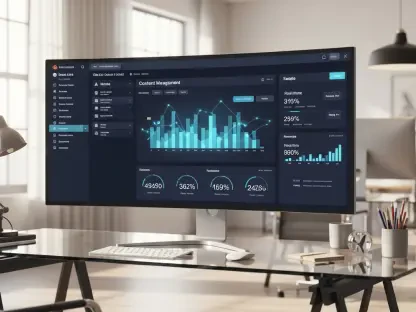
In practice, vibe marketing manifests in tangible, high-impact applications. A marketer can now build a complete campaign microsite, design a sophisticated lead-capture form, or create a custom analytics dashboard simply by issuing a series of prompts. This capability bypasses traditional development bottlenecks, enabling teams to test and iterate on ideas with unprecedented agility and speed.
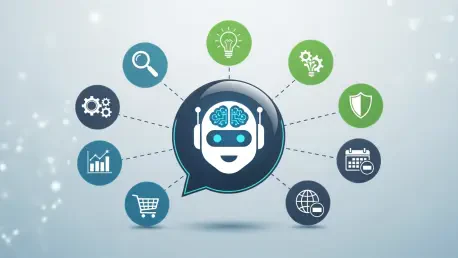
Fueling this revolution is a new technology stack designed for AI-driven execution. At its core are workflow automation builders like Make, which act as the central nervous system connecting disparate systems. These are complemented by AI content and design generators such as ChatGPT and Midjourney for the rapid production of creative assets. Furthermore, autonomous AI agents are being deployed for real-time campaign optimization, while AI-assisted development tools generate functional web applications, closing the gap between concept and a usable product.
Industry Perspectives on the Vibe-Driven Shift
Industry experts are taking note of this fundamental change in operational dynamics. The MarTech consultancy Brandastic states, “Vibe marketing is the end of bloated, over-complicated marketing departments and the beginning of lean, fast, AI-augmented workflows.” This perspective captures the essence of the trend, highlighting a departure from rigid, hierarchical structures toward more agile and responsive models.
The contrast with traditional marketing methodologies is stark. Slow, sequential campaign structures involving numerous handoffs between creative, development, and analytics teams are giving way to a fluid, real-time, and iterative approach. Because the tools for creation and modification are directly in the marketer’s hands, campaigns can be adapted almost instantly in response to performance data or shifting market conditions.
Crucially, this trend is not about replacing human marketers but augmenting their capabilities. By automating the repetitive and technical tasks best suited for machines, vibe marketing frees professionals to concentrate on higher-value activities. Strategic planning, creative direction, and the crafting of compelling narratives remain firmly in the human domain, amplified now by powerful AI assistants.
The Vibe Marketing Toolkit in Action
Case Study 1: Building a Microsite with Bolt
The practical power of this trend is evident in tools like Bolt, a chat-based application builder. Using a simple prompt, it is possible to generate a full-stack campaign microsite, complete with a front-end interface and a connected database, without writing a single line of code. The platform autonomously handles the complex setup, a process that would traditionally consume days of specialized development resources.
The key takeaway from this application is Bolt’s strength in rapid prototyping. It empowers marketers to test ideas and iterate on concepts without being constrained by engineering bottlenecks. However, the tool also reveals that highly complex or nuanced features may still require extremely precise prompting or the final touch of a human developer, reinforcing the idea of AI as a powerful collaborator rather than a complete replacement.
Case Study 2: Designing a Dashboard with Lovable
Another platform, Lovable, targets marketers directly by enabling the creation of custom applications from natural language prompts or imported design files. In one use case, the platform was leveraged to build a custom event analytics dashboard. The process began with a high-level description and was refined through subsequent prompts to customize branding, add email notifications, and build out an attendee management interface.
This experiment highlighted a critical principle of the vibe-driven approach: the quality of the AI-generated output is directly proportional to the quality of the input. Clear, specific, and well-structured prompts yield far more functional and valuable results. This underscores the rising importance of prompt engineering as a core competency for the modern marketer, blending creative direction with logical instruction.
Case Study 3: Integrating Workflows with Make.com
Automation platforms like Make.com serve as the essential connective tissue in the vibe marketing ecosystem. They integrate various standalone tools into a single, cohesive system. For example, a workflow can be designed to monitor a social media page for engagement, use an OpenAI module to analyze the activity for insights, and then automatically send a summary report via email.
This integration transforms a collection of powerful but separate applications into a single, intelligent marketing engine that is both responsive and autonomous. The ability to automate the flow of data and actions between tools is what allows marketers to move beyond creating individual assets and begin orchestrating entire intelligent systems, freeing them from repetitive manual tasks.
Navigating the Future of Marketing
As this trend matures, its impact will only deepen, enabling faster, more intelligent, and highly personalized campaigns delivered at an unprecedented scale. Future developments will likely include more sophisticated autonomous agents capable of managing complex, multi-channel campaigns with minimal human oversight, alongside more seamless integrations between creative, analytical, and development tools.
However, this newfound power introduces a significant challenge: “vibe coding chaos.” The ease with which anyone can create ad-hoc tools and workflows creates a risk of fragmentation, leading to inconsistent branding, poor data quality, and potential security vulnerabilities. Consequently, the need for strong governance becomes paramount. Organizations must establish clear guidelines to maintain brand integrity and operational stability while still fostering innovation.
Conclusion: Adapting to an AI-Accelerated Future
Vibe marketing represents a paradigm shift fueled by artificial intelligence and no-code platforms. This movement fundamentally redefines the marketer’s role, transforming them from project managers into hands-on creators and dramatically accelerating go-to-market strategies. It is not a fleeting fad but a foundational change in how marketing operations are architected and executed.
The opportunity for leaders is to re-architect their departments for unprecedented speed, agility, and efficiency. Embracing this shift requires a deliberate and strategic approach to talent, technology, and governance.
Marketing leaders must now prioritize upskilling their teams in AI literacy, investing in an agile and integrated technology stack, and establishing clear governance frameworks. By taking these steps, they can successfully navigate this new landscape and build organizations prepared to thrive in a collaborative, AI-accelerated, and decidedly “vibey” future.