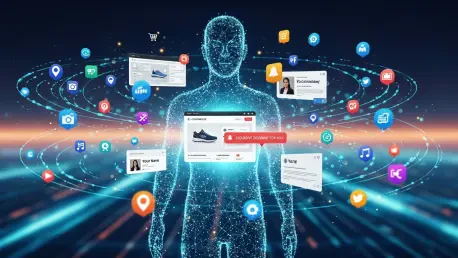

The digital marketplace has reached a point where generic advertisements and broad-based messaging are no longer merely ineffective; they are often perceived as a fundamental failure in understanding the modern customer’s needs. When a brand successfully leverages data analysis and sophisticated software to tailor interactions, it bridges the gap between a generic transaction and a meaningful relationship. This process, known as marketing personalization, involves the strategic use of customer insights to deliver messages that resonate with specific individuals rather than broad segments. By analyzing behavioral patterns, purchase histories, and real-time preferences, organizations can curate content that feels uniquely crafted for the recipient. This evolution in digital communication reflects a shift away from blast marketing toward a more nuanced, data-driven approach. It requires a robust technological infrastructure capable of processing vast amounts of information to generate actionable insights that guide every touchpoint. In this environment, the ability to recognize a user across various platforms and provide consistent, relevant value becomes the primary differentiator between industry leaders and those struggling to maintain relevance. By prioritizing the individual, companies can foster deeper connections that drive long-term loyalty and sustainable growth.
1. Essential Insights: The Value of Individual Connection
Building a deep bond with a consumer base requires more than just high-quality products; it necessitates a sophisticated understanding of how each individual interacts with a brand across multiple digital touchpoints. Top-performing firms currently demonstrate that prioritizing these deeper consumer bonds can directly correlate with a revenue increase of between 5% and 15%. This growth is not merely a result of increased transaction frequency but is driven by enhanced brand devotion that arises when users feel seen and understood. When marketing software and data analysis work in harmony, they create a feedback loop where every interaction informs the next, making each subsequent touchpoint more relevant than the last. This strategic alignment allows organizations to move away from high-volume, low-relevance campaigns that typically yield diminishing returns. Instead, the focus shifts toward high-value engagements that respect the customer’s time and provide immediate utility. By investing in the infrastructure needed to support these tailored experiences, businesses can secure a competitive advantage that is difficult for less agile competitors to replicate, fostering a culture of loyalty that extends well beyond a single purchase or promotional cycle.
The necessity of a personal touch is further underscored by the shifting loyalties of the modern buyer, who has access to an unprecedented variety of alternatives at their fingertips. Statistics indicate that approximately two-thirds of buyers will actively choose to leave a brand if they perceive a lack of individual consideration in their communications. This mass exodus suggests that personalization has transitioned from a competitive edge to a baseline requirement for retention. When a consumer receives irrelevant content, it acts as a signal that the company does not value their specific preferences or historical engagement. Consequently, the absence of tailored interactions does more than just miss a sale; it actively erodes the trust and affinity that a brand may have spent years building. To combat this, companies must ensure that their marketing efforts are cohesive and unified across all departments, from sales to customer support. Ensuring that a user does not have to repeat their preferences or history every time they engage with a different part of the organization is essential. This level of consistency proves that the brand is listening and is prepared to meet the consumer on their own terms, thereby reducing churn and increasing the lifetime value of every individual in the database.
2. Crucial Success Indicators: Measuring the Impact
One of the most compelling indicators of success in the realm of customized marketing is the dramatic difference in conversion rates between tailored and standard outreach. Custom emails, for instance, have been shown to result in conversion rates that are six times higher than those of generic, mass-distributed messages. This disparity highlights the fundamental inefficiency of traditional techniques, which rely on the hope that a small percentage of a large audience will find a message relevant. In contrast, data-driven personalization ensures that the right message reaches the right person at the optimal moment, drastically reducing the friction inherent in the path to purchase. Businesses that have mastered this art of timing and relevance often see immediate improvements in their sales figures, ranging from 5% to 15% overall. These gains are particularly evident in organizations that utilize predictive modeling to anticipate consumer needs before the consumer even voices them. By leveraging historical data to project future behavior, these companies can present offers and content that feel serendipitous rather than intrusive. This proactive approach not only drives short-term revenue but also positions the brand as a helpful partner in the consumer’s journey.
Beyond the immediate financial benefits, sophisticated data tools provide deep customer insight that allows for a level of proactive service previously thought impossible. Companies that prioritize these specific experiences see a reported 16% rise in overall customer happiness and a 19% increase in sales. This dual benefit suggests that when a business invests in understanding its customers, the customers respond with both their wallets and their loyalty. Sophisticated platforms can track a user’s journey across multiple devices, allowing a brand to provide a seamless transition from a mobile app to a desktop website. This continuity is a key driver of brand commitment, as it removes the frustration of fragmented digital experiences. When a company can offer a personalized recommendation based on a previous interaction that happened seconds ago on a different platform, it demonstrates a level of technical and operational maturity that commands respect. For the consumer, this translates to a more efficient and enjoyable shopping experience, where they spend less time searching for what they need and more time engaging with products and services that truly align with their personal lifestyle and values.
3. Overcoming Obstacles: Navigating the Challenges of Customization
Gathering accurate user data remains a primary hurdle for many organizations, especially as privacy regulations and technical shifts make third-party data less reliable than in previous years. The fragmentation of information across different platforms often results in incomplete or contradictory user profiles. Without a unified view, personalization efforts can feel disjointed, leading to scenarios where a customer is targeted with ads for a product they have already purchased. Furthermore, internal disconnects between sales and marketing departments frequently create data silos that prevent the seamless flow of information. When teams operate in isolation, they miss the opportunity to create a holistic experience that follows the user from initial awareness through to post-purchase support. Bridging these gaps requires not only technological investment but also a cultural shift toward collaboration and transparency within the organization. Overcoming these logistical barriers is essential for any brand that seeks to move beyond basic segmentation and toward truly individualized communication strategies that respect the customer’s journey across all possible digital and physical touchpoints.
Resource allocation is another significant obstacle that can derail even the most well-intentioned customization projects, as maintaining real-time data accuracy requires consistent funding and specialized staffing. Small or medium-sized enterprises often struggle to find the budget for high-end Customer Data Platforms or the specialized staff needed to interpret complex behavioral patterns. Additionally, there is the risk of consumer annoyance caused by aggressive or repetitive retargeting, which can have the opposite of the intended effect. When a user feels followed across the internet by a single product they viewed once, the personal touch begins to feel like a privacy intrusion. This perceived overreach can lead to negative brand associations and prompt users to employ ad-blockers or opt out of tracking altogether. Striking the right balance between being helpful and being intrusive is a delicate art that requires constant monitoring and adjustment. To succeed, businesses must prioritize transparency and give users control over their data, ensuring that every tailored interaction adds clear value rather than just serving as another digital distraction in an already crowded and noisy online marketplace.
4. Implementation Strategies: Starting the Personalization Journey
Launching a successful personalization initiative begins with the establishment of specific, measurable targets for every stage of the customer journey, from the first point of contact to long-term retention. By defining what success looks like—whether it is an increase in click-through rates, higher average order values, or reduced customer churn—marketing teams can align their efforts with broader business objectives. The next step involves the ethical collection of user information through voluntary means, often referred to as zero-party data. This can include interactive elements like quizzes, preference centers, or sign-up forms where users willingly share their interests in exchange for a more tailored experience. Collecting data directly from the source ensures high accuracy and builds a foundation of trust that is absent when relying on inferred data from external providers. These detailed profiles then serve as the engine for all future outreach, allowing for a level of specificity that resonates with the unique needs and desires of every individual in the database, ensuring that every communication serves a distinct purpose in the eyes of the recipient.
Once the data is gathered, the focus shifts to the technological infrastructure required to store and update this information in real-time, typically through robust Customer Relationship Management systems. These tools allow marketers to automate the delivery of custom campaigns, ensuring that messages are sent based on specific triggers or behavioral shifts. Whether using manual settings for smaller campaigns or AI-driven tools for large-scale operations, the execution must be flawless to maintain the illusion of a one-on-one conversation. The final component of this journey is the consistent evaluation and refinement of the approach through rigorous A/B testing and data review. By comparing different versions of a tailored message, teams can identify which elements—such as subject lines, imagery, or calls to action—perform best with specific audience segments. This iterative process ensures that the personalization strategy remains effective as consumer behaviors and market trends evolve, preventing the brand from becoming stagnant or disconnected from its audience’s changing expectations, which is vital for maintaining a competitive edge in a rapidly shifting and increasingly digital economy.
5. Analytics Integration: Leveraging Data for Strategic Advantage
Effective analytics serve as the backbone of any personalized marketing strategy, providing the necessary visibility to monitor website visits, email clicks, and other engagement metrics in real-time. By tracking these micro-interactions, organizations can refine their material to ensure it aligns with the evolving interests of their audience. A centralized platform is vital for this process, as it allows marketers to pull insights from various channels—including social media, mobile apps, and direct mail—into a single, cohesive view. This holistic perspective enables the identification of patterns that might be invisible when looking at individual silos of data. For example, a user might browse on a mobile device but complete a purchase on a desktop; without an integrated analytics system, these two actions might be viewed as belonging to different people. By connecting these dots, businesses can create a single view of the customer that drives more effective efforts across all platforms, ensuring that the brand’s voice remains consistent regardless of where the interaction takes place.
Moving beyond simple demographic groups is a hallmark of a mature analytics strategy, as it allows for a deeper understanding of complex user habits and psychological triggers. Instead of grouping people by age or location, advanced tools enable behavioral segmentation, where users are categorized based on their actual actions and engagement levels. Frequently checking performance markers linked to sales and interaction is necessary to determine which behaviors are the most accurate predictors of future conversion. This data-driven approach allows for the creation of sophisticated models that can predict the likelihood of a customer churning or identify the best time to send a loyalty offer. When analytics are used to drive decision-making, the marketing team can shift from reactive responses to proactive strategies that stay one step ahead of the consumer. This not only improves the efficiency of marketing spend but also enhances the overall customer experience by providing the right information exactly when it is needed most, fostering a sense of reliability and expertise that encourages long-term brand advocacy and higher lifetime customer value.
6. Functional Frameworks: The Four Pillars of Effective Strategy
A comprehensive personalization strategy rests on four distinct pillars, the first of which is Information, which involves the meticulous collection and study of data to understand exactly what customers want. This foundational step requires a commitment to data integrity and a willingness to look beyond surface-level metrics to uncover the underlying motivations of the audience. The second pillar, Creation, focuses on building unique content that speaks directly to these identified needs and desires. This is where the creative team must collaborate closely with data analysts to ensure that the messaging is both emotionally resonant and factually supported by user insights. Creating content at scale can be challenging, but it is essential for delivering the level of individual attention that modern consumers expect. When Information and Creation are aligned, the resulting marketing materials feel less like an advertisement and more like a personalized recommendation from a trusted advisor, which significantly increases the likelihood of a positive response from the recipient and strengthens the overall bond between the brand and the individual.
The third pillar, Execution, involves picking the perfect moment and platform to reach customers, ensuring that the message is delivered where it will have the most significant impact. Timing is often just as important as the message itself; an offer sent right after a purchase might be ignored, while a reminder sent just as a product is about to run out can be invaluable. Finally, the pillar of Adaptation requires the organization to change its tactics in real-time based on how users behave during the interaction. If a customer ignores a series of emails but engages heavily with video content, the system must be agile enough to shift its focus toward video-based outreach. This level of responsiveness proves that the brand is paying attention and is willing to evolve its approach to better serve the individual. By maintaining these four pillars, businesses can build a resilient personalization framework that is capable of delivering consistent value across the entire customer lifecycle, regardless of how market conditions or consumer preferences may change over time, ensuring the strategy remains both relevant and effective.
Strategic Pathways for Future Growth
The journey toward total marketing personalization required a fundamental shift in how organizations viewed their relationship with consumer data and technological integration. The most successful entities realized that personalization was not a static destination but an ongoing process of refinement and adaptation. They moved beyond simple demographic clusters to embrace the complexity of individual human behavior, using advanced analytics to predict needs before they even manifested in the market. By breaking down internal silos and investing in unified data platforms, these companies ensured that every department acted on the same set of real-time insights. The focus shifted from merely collecting data to deriving meaningful narratives that informed every piece of content and every interaction across the digital landscape. Actionable steps involved the continuous testing of new hypotheses and the constant auditing of data quality to ensure that the personal touch remained accurate and respectful. Moving forward, the integration of even more advanced computational models will likely further blur the line between service and marketing, creating a more cohesive and helpful environment for consumers. Those who adopted these strategies early found themselves better positioned to weather market shifts and evolving consumer expectations. The ultimate goal became the creation of a seamless layer of support that added value to every step of the customer lifecycle without being perceived as an intrusion or a distraction.