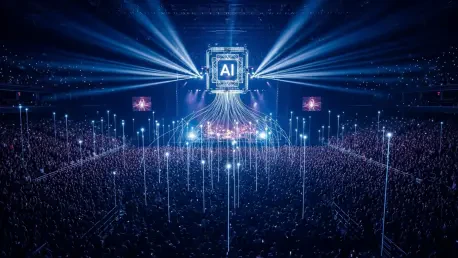

The conversation surrounding artificial intelligence in the live events sector has shifted dramatically from speculative discussions about future possibilities to urgent debates about immediate, strategic implementation. What was once a futuristic novelty showcased in tech keynotes is now an essential operational tool being woven into the very fabric of event planning and execution. The industry has reached an inflection point where the adoption of AI is no longer a matter of choice but a requisite for competitive survival.
Forward-thinking agencies are already deploying AI to build a formidable strategic edge. They are pitching faster, personalizing experiences with greater precision, and delivering measurable results that were previously unattainable. This widening gap between early adopters and the hesitant majority establishes a new baseline for performance. The urgency to integrate these technologies is palpable, as failing to do so increasingly translates to a direct loss of efficiency, impact, and market share. This shift signals a fundamental rewiring of the industry, impacting every phase from the initial client brief to the final post-event analysis.
Remastering the Event Blueprint from Initial Pitch to Final Impression
From Weeks to Hours Supercharging Creative Ideation and Pitching
The traditionally lengthy pre-production phase of live events is being radically compressed by AI-powered creative tools. Where teams once spent weeks developing mood boards, drafting copy, and mocking up initial designs, algorithms can now ingest a client brief and generate a full suite of foundational creative assets in a matter of hours. This acceleration fundamentally redefines the pitching process, allowing agencies to respond to opportunities with unprecedented speed and agility without sacrificing the quality of their initial concepts.
This rapid, high-quality content generation was powerfully demonstrated during the launch of the Aston Martin DBX707. Facing a last-minute pivot from a hybrid to a fully virtual event, AI-assisted workflows enabled the production team to create and scale the necessary digital assets under immense pressure, ultimately reaching an audience of over 500,000. Far from the common fear of stifling human ingenuity, this technology liberates creative professionals from mechanical, time-consuming tasks. It allows them to bypass production bottlenecks and dedicate their expertise to higher-level strategic thinking, refining concepts, and sharpening the core narrative of the brand experience.
Beyond Demographics Achieving Unprecedented Audience Connection
Artificial intelligence enables a move beyond broad demographic targeting toward a new frontier of hyper-personalized engagement. By analyzing vast and varied datasets—including RSVP information, historical event behavior, and even real-time location data—AI algorithms can identify nuanced patterns and segment audiences into highly specific micro-groups. This deep understanding allows for the creation of bespoke attendee journeys, where every touchpoint, from the initial invitation to onsite interactions, is tailored to individual preferences and expectations.
This capability is exemplified by Bentley Motors’ use of data insights to customize VIP experiences at its global product launches. By understanding the unique profiles of its attendees, the brand can deliver precisely the right message at exactly the right time, fostering a profound sense of personal connection and value. The competitive advantage gained from this approach is significant. It marks a transition from one-to-many broadcasting to true one-to-one engagement, cultivating stronger brand loyalty and driving deeper, more meaningful participation from every guest.
Global Reach Local Touch The Power of AI-Driven Content Scaling
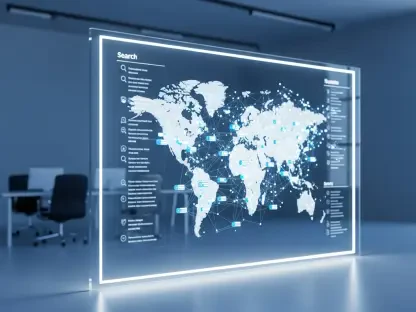
One of the most disruptive efficiencies offered by AI is the ability to localize and adapt creative assets for diverse international markets without a proportional increase in cost or time. A single master creative concept can be automatically repurposed into countless brand-safe variations, each tailored to different formats, languages, and regional calls to action. This process, which once demanded extensive studio resources and manual effort, can now be executed with remarkable speed, streamlining global campaign rollouts.
The delivery of animations for the MG IM 5 and IM 6 campaigns across multiple international markets showcases this power. AI tools enabled the agency to maintain impeccable brand consistency while drastically reducing production turnaround times, equipping local teams with ready-to-use assets almost instantaneously. This capability allows global brands to execute complex, multi-regional campaigns with the agility and responsiveness of a local startup, ensuring that a worldwide message resonates with a distinctly local feel.
Reading the Room in Real-Time The Dawn of the Sentient Event
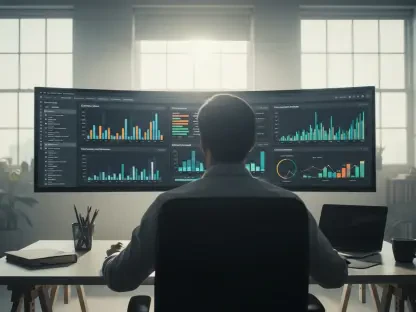
The live event environment itself is becoming intelligent through the use of AI-powered sensors and sentiment analysis. These technologies can continuously “read the room,” translating abstract crowd dynamics into a stream of concrete, actionable data. Metrics such as crowd flow, dwell time in specific zones, and even the overall mood of the audience can be monitored in real time, giving event operators an unprecedented level of situational awareness.
This flow of live data allows for dynamic adjustments that proactively enhance the guest experience. For instance, a playlist can be altered to match a shift in energy, staff can be redeployed to prevent bottlenecks from forming, or lighting can be adjusted to influence the atmosphere. This “data-informed, human-executed” model represents a paradigm shift from the traditional reactive approach of solving problems as they arise. It transforms event management into a process of proactive, continuous optimization, ensuring a seamless and engaging experience from start to finish.
Your Roadmap to an AI-Powered Future Practical Steps for Integration
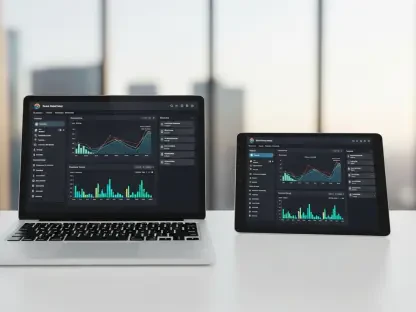
The integration of artificial intelligence is driving core transformations across the event lifecycle. These include accelerated creativity in the pitch phase, hyper-personalized attendee journeys, globally scalable content, and the real-time optimization of the live environment. Crucially, AI also delivers demonstrable ROI by enabling leaner logistical operations and providing sophisticated, data-backed success metrics that move far beyond simple footfall counts.
To begin this journey, organizations should start by auditing current workflows to identify key areas where AI can alleviate bottlenecks and enhance capabilities. A critical next step is investing in a clean, well-organized data infrastructure, as the effectiveness of any AI tool is directly dependent on the quality of the data it processes. Finally, a framework must be established for training teams to collaborate effectively with these new intelligent systems. This involves evolving roles from manual task execution to strategic oversight, creative refinement, and interpreting AI-driven insights to make smarter decisions.
The Final Takeaway Embrace Intelligence or Risk Irrelevance
Ultimately, the strategic integration of artificial intelligence had become a defining factor for success and sustainability in the modern events landscape. Its adoption was no longer a point of differentiation but a fundamental requirement for operational excellence and competitive relevance.
The true power of this technological revolution was realized not in its ability to replace human capabilities, but to augment them. The synergy between human creativity and machine intelligence led to smarter logistics, more efficient workflows, and, most importantly, more resonant and meaningful experiences for attendees.
The period of cautious experimentation and debate gave way to a new reality. The era of strategic implementation had firmly begun, creating a clear and decisive line between the industry leaders who embraced this intelligent future and those who risked being left behind.