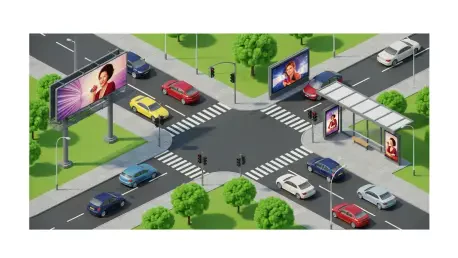

Modern consumers are increasingly fatigued by the intrusive nature of digital pop-ups and social media interruptions, leading to a massive resurgence in the power of physical presence. While personal devices offer targeted data, the sheer scale of out-of-home media provides a level of brand authority that small screens simply cannot replicate. High-traffic transit corridors have become the new town squares where a single well-placed display can anchor a brand in the public consciousness more effectively than a fleeting click-through ad.
Industry leaders like Azalea Outdoor are redefining this space by acting as a bridge between the physical and digital worlds. By managing over 187 billboard faces throughout Georgia and South Carolina, the company ensures that local businesses gain the same level of prestige as national corporations. From massive highway bulletins to nimble digital displays, the range of available inventory allows for a highly customized approach to regional market saturation.
The Resurgence of Out-of-Home Media in the Modern Advertising Landscape
The current state of out-of-home advertising is defined by its unique ability to remain unskippable in an increasingly fragmented omnichannel environment. Unlike television or radio, which can be turned off, or internet ads that are often blocked, outdoor displays remain a permanent fixture of the daily commute. This permanence builds a subconscious trust, making it a critical component for any brand looking to establish long-term authority in a specific geographic region.
Regional specialists have mastered the art of maximizing visibility in high-density hubs like Savannah and Augusta. These firms understand that a billboard is not just a sign; it is a strategic asset positioned to catch eyes during peak travel times. By combining traditional large-format bulletins with the latest display technologies, they create a comprehensive advertising net that captures both the fleeting attention of a visitor and the repetitive gaze of a daily commuter.
Navigating Modern Consumer Patterns and Market Projections
The Shift Toward Digital Integration and Dynamic Messaging
The rise of Digital Out-of-Home platforms has revolutionized how companies interact with the public, allowing for real-time updates and hyper-relevant content. This shift caters to evolving consumer behaviors where dynamic messaging can be synchronized with current events, weather patterns, or time-of-day traffic flows. Such flexibility ensures that an advertisement feels like a helpful update rather than a static piece of background noise, significantly increasing engagement rates across all demographics.
Utilizing local market expertise is essential when transitioning from static to digital mediums. While a traditional board offers 24/7 brand building, digital displays provide the agility needed for flash sales or seasonal promotions. This synergy allows advertisers to maintain a consistent presence while simultaneously driving immediate action through time-sensitive calls to action. The result is a dual-layered strategy that covers both long-term recognition and short-term conversion goals.
Quantifying Growth and Performance Indicators in Regional Hubs
Recent market data for the South Carolina and Georgia sectors indicates a steady upward trajectory in outdoor media spending, often outperforming traditional print outlets. As urban sprawl continues and traffic volume increases, the value of prime roadside real estate becomes exponentially higher. Projections for 2026 and beyond suggest that brands will continue to shift budgets toward these high-impact physical assets to combat the rising costs and diminishing returns of saturated online channels.
Securing prime placements now represents a significant competitive advantage for businesses aiming to dominate local hubs. High-occupancy corridors in Aiken and Augusta are reaching a point where new development is limited by zoning, making existing inventory more precious. Performance metrics show that consistent exposure in these areas leads to higher brand recall, proving that the physical landscape remains the most reliable foundation for any regional marketing campaign.
Overcoming Structural and Competitive Hurdles in Billboard Advertising
One of the primary challenges in the modern landscape is overcoming audience fragmentation and the visual noise of the urban environment. To stand out, advertisers must prioritize creative flexibility and high-impact design that resonates quickly with a passing driver. This involves distilling complex brand messages into bold, simple visuals that can be processed in a matter of seconds without losing the core narrative or call to action.
Furthermore, small businesses often feel sidelined by the massive budgets of national competitors. However, scalable outdoor solutions allow these local entities to compete on a level playing field. By selecting strategic locations that align with their specific customer base rather than broad-stroke placements, smaller brands can achieve a high frequency of impressions within a targeted area, effectively carving out a significant market share without an exorbitant spend.
The Regulatory Framework and Compliance Standards for Outdoor Displays
Navigating the legal intricacies of billboard placement requires a deep understanding of both federal mandates and local ordinances. The Highway Beautification Act sets the groundwork for visibility and spacing, but local zoning laws in cities like Savannah often impose additional aesthetic and structural requirements. Professional advertising firms handle these complexities to ensure that every display remains compliant while maintaining the public trust and aesthetic integrity of the community.
Safety regulations also play a major role, particularly regarding the operation of digital LED displays. Lighting standards must be carefully managed to prevent driver distraction, especially during night-time hours or inclement weather. Adhering to these strict industry guidelines is not just a legal necessity but a strategic move that ensures the advertising medium remains a respected and welcome part of the regional infrastructure.
Future Innovations and the Next Frontier of Outdoor Marketing
The future of the industry lies in the integration of data analytics and programmatic buying, which will allow for even more precise targeting. Emerging technologies such as augmented reality could soon allow commuters to interact with billboards via their mobile devices, creating a bridge between the physical sign and a personalized digital experience. This shift will likely turn every billboard into a data-gathering node that provides deeper insights into consumer behavior.
Sustainable technology is also becoming a priority, with a push toward energy-efficient LED screens and solar-powered static boards. As global economic conditions shift, the drive for cost-effective and environmentally friendly solutions will dictate how infrastructure is expanded. Hyper-local targeting will become even more refined, allowing advertisers to adjust their messaging based on the specific demographic profile of the traffic flowing past a particular board at any given minute.
Harnessing Strategic Placement for Sustained Business Growth
Strategic outdoor placements served as the cornerstone for businesses looking to scale their reach through a unified and authoritative advertising narrative. The focus shifted toward securing high-traffic corridors that guaranteed consistent exposure and long-term brand equity in competitive regional markets. By leveraging a mix of static and digital assets, companies achieved a balance between immediate promotional needs and the slow-burn requirements of brand recognition.
Forward-thinking organizations moved toward a model that favored localized expertise to navigate regulatory and competitive hurdles effectively. The integration of data-driven insights allowed for more efficient spending, ensuring that every impression contributed to a measurable increase in market presence. Ultimately, the investment in physical advertising real estate proved to be a resilient strategy that withstood the fluctuations of the digital landscape, providing a stable platform for sustained commercial growth.