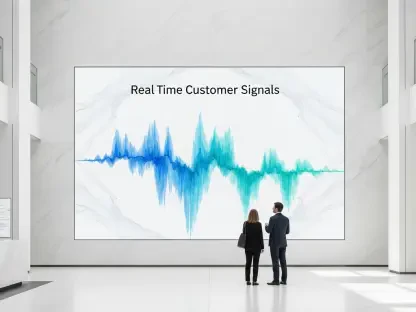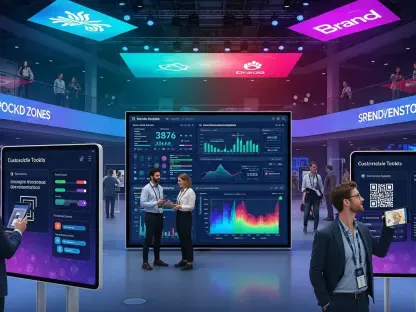

The digital breadcrumbs left by potential customers as they navigate the internet offer a far more insightful story about their purchasing plans than any demographic profile ever could. Every search query, article read, and product comparison contributes to a detailed picture of not just what consumers are interested in, but how close they are to making a decision. Businesses that learn to interpret this language of behavior can move beyond shouting generic messages into the void and start having meaningful conversations that directly lead to sales.
Unlock Your Sales Potential by Understanding Customer Intent
The modern path to purchase is rarely a straight line; it is a complex journey of discovery, evaluation, and consideration. Before committing to a product or service, consumers conduct extensive research, compare alternatives, and seek validation for their choices. This process, once hidden from sellers, now unfolds in the open digital landscape, leaving a clear and actionable trail.
Each click, download, and search query acts as a signal, a piece of a larger puzzle that reveals a customer’s underlying intent. This collection of behavioral information is known as intent data. When harnessed correctly, it provides unparalleled insight into where a potential buyer is in their decision-making process. This digital trail is the raw material for a more intelligent, responsive, and effective marketing approach.
Intent-based marketing is the strategy of using this behavioral data to understand customer needs and purchase readiness. It involves segmenting audiences not by who they are, but by what their actions indicate they want to do next. By delivering tailored messages that align with a user’s specific stage in the sales funnel, businesses can effectively guide them toward a purchase, providing helpful information rather than an intrusive sales pitch. This guide will provide a clear framework for identifying crucial intent signals, collecting the necessary data, segmenting audiences effectively, and creating targeted campaigns that drive meaningful conversions and foster stronger customer relationships.
From Broadcasting to Conversations: Why Intent-Based Marketing is a Game-Changer
Traditional marketing often operates like a broadcast, sending a single, broad message to a large, undifferentiated audience in the hope that it resonates with a small fraction. This approach treats all potential customers as if they are equally ready to buy, leading to wasted resources and missed opportunities. In contrast, an intent-based strategy is built on precision, focusing on the clear signals that indicate a readiness to buy rather than just a general, passive interest.
The core principle of this modern approach is to meet customers exactly where they are in their purchase process. Instead of pushing a hard sell on someone who is just beginning their research, intent-based marketing delivers the right message at the right time. For a user in the early stages, this might mean providing an informative guide; for someone who has already added an item to their cart, it could be a gentle reminder or a compelling offer. This shift transforms marketing from a monologue into a valuable, context-aware dialogue.
To execute this strategy effectively, it is crucial to differentiate between the two primary categories of customer intent. Each category requires a distinct approach and signals a different level of proximity to a sale. Understanding this distinction is the first step toward building a responsive and efficient marketing engine.
Active Intent
Active intent signals an immediate or near-term interest in making a purchase. These are the actions of a user who has moved beyond general research and is actively evaluating specific solutions. Telltale signs include searching for a specific product name, making repeat visits to the same product or pricing page, adding items to a shopping cart, or requesting a product demonstration. These behaviors indicate that the user is in the final stages of the decision-making process and is a high-priority lead for conversion-focused messaging.
Passive Intent
Passive intent, on the other hand, indicates that a user is still in the research or awareness phase of their journey. Their actions show an interest in a topic or problem but not yet an immediate desire to buy a specific product. This type of intent is revealed through behaviors such as reading informational blog posts, browsing product reviews, searching for broad, non-branded keywords, or downloading educational whitepapers. These users are valuable potential customers, but they require nurturing with helpful content to build trust and guide them further down the funnel.
Recognizing the difference between active and passive intent is fundamental to an efficient marketing operation. It allows for the strategic allocation of resources, ensuring that aggressive sales tactics are reserved for those ready to act, while those still exploring are nurtured with educational content. This targeted approach not only improves conversion rates but also builds stronger, more trusting relationships with customers by providing value at every stage of their journey.
Crafting Your Intent-Based Marketing Strategy: A 5-Step Guide
Step 1: Decode Customer Behavior by Identifying Intent Signals
The foundation of any successful intent-based marketing strategy is the ability to accurately identify the specific customer actions that signal interest in a product or service. These actions, or intent signals, are the building blocks used to segment audiences and trigger personalized campaigns. Before any data can be collected, a business must first define what behaviors matter most.
A practical starting point is to map out the typical customer journey from initial awareness to final purchase. By walking through this path, you can create a comprehensive list of digital touchpoints and the actions a user might take at each stage. Consider which of these actions signify a growing interest or a deepening commitment. This exercise helps translate abstract customer behavior into a concrete set of trackable signals that can be used to gauge purchase readiness.
Analyze Your First-Party Data
The most valuable and reliable intent signals often come from your own digital properties. This first-party data, collected directly from your website, app, or email platform, offers a clear view of how users interact with your brand. Key signals to monitor include repeat visits to a specific product page, which indicates strong interest in that item. Similarly, actions like signing up for a demo or webinar, clicking on pricing or shipping pages, or spending a significant amount of time on a particular section of your site all point to a higher level of engagement and purchase intent.
These signals should not be viewed in isolation; rather, they form a narrative about the user’s journey. A visitor who reads a blog post, then clicks through to a product page, and finally visits the pricing page is demonstrating a clear and escalating level of interest. By tracking these sequences of actions, you can develop a more nuanced understanding of where each user is in the sales funnel and what information they need next.
Look Beyond Your Website for Clues
While first-party data is critical, valuable clues also exist outside of your owned platforms. Third-party signals, often related to search engine activity, can reveal high-intent behavior before a user ever lands on your website. For example, search queries that include product comparisons, such as “[Your Product] vs. [Competitor Product],” signal that a user is in the final stages of evaluation. Likewise, searches for “best of” lists related to your product category or queries using your specific product name indicate a user who is already aware of your solution and is actively seeking more information.
This third-party data is instrumental in shaping top-of-funnel strategies, including paid search campaigns and content creation. By understanding the terms and questions high-intent buyers are using, you can create targeted ads and SEO-optimized content that intercepts them at the precise moment they are looking for answers. This allows you to enter the conversation early and position your brand as the ideal solution.
Tip: Start Small with High-Impact Signals
The sheer number of potential intent signals can be overwhelming, especially when first implementing this strategy. To avoid this, it is best to start small by focusing on a handful of high-impact signals that are clearly defined and strongly correlated with conversions. For an e-commerce business, this might be abandoned carts and repeat product page views. For a B2B company, it could be demo requests and pricing page visits.
By concentrating on a few powerful signals initially, you can simplify the process of building, deploying, and testing your first messaging campaigns. This focused approach allows you to learn quickly, demonstrate early success, and gather the insights needed to gradually expand your strategy. Once you have a proven model for these core signals, you can begin to incorporate more nuanced behaviors and build a more sophisticated intent-based marketing engine.
Step 2: Choose Your Data Sources and Begin Collection
Once you have identified the key intent signals for your business, the next step is to establish the methods for collecting the data needed for analysis. A comprehensive understanding of customer intent is typically built by combining insights from different sources. The two primary methods for gathering this information are leveraging your own first-party data and supplementing it with third-party data.
Each data source offers unique advantages and plays a distinct role in constructing a complete picture of buyer behavior. For most businesses, especially those just starting with intent-based marketing, the process begins with the rich, readily available information collected from their own digital assets.
Leverage the Power of First-Party Data
First-party data is the information you collect directly from your audience through your own platforms, such as your website, mobile app, or email marketing system. This includes behavioral data like pages visited, time spent on site, and items added to a cart, as well as information explicitly provided by users, such as email sign-ups or form submissions. Because this data comes directly from your audience, it is highly accurate and relevant to your specific business.
For small and medium-sized businesses, first-party data is the most accessible and cost-effective place to start. Common tools for collecting this information are already in place for most companies. Google Analytics provides deep insights into website traffic and user behavior, while the built-in dashboards on most e-commerce platforms offer a wealth of information on product views, cart activity, and purchase history. By tapping into these existing tools, businesses can begin tracking their chosen intent signals without significant additional investment.
Supplement Your Insights with Third-Party Data
Third-party data is information that is collected by an external entity and then purchased or licensed for use. These data sets are aggregated from a wide variety of publishers, websites, and other sources, providing a broader view of market trends and user behavior across the internet. Specialized intent data providers, for instance, can identify companies that are actively researching solutions like yours, even if they have not yet visited your website.
While first-party data tells you what is happening on your own properties, third-party data helps you understand what is happening elsewhere in your market. It is particularly useful for top-of-funnel activities, such as identifying new potential leads or accessing pre-built buyer segments for targeted advertising campaigns. This broader perspective can uncover new opportunities and help you reach potential customers who are in the market for your product but are not yet aware of your brand.
Step 3: Segment Your Audience Based on Purchase Readiness
With your intent signals defined and your data collection methods in place, the next crucial step is to organize your audience into distinct groups. Audience segmentation is the process of grouping users based on their demonstrated readiness to buy, as indicated by their actions. This allows you to move away from a one-size-fits-all marketing approach and instead deliver messages that are highly relevant to each user’s specific context.
A straightforward and effective way to begin is by creating a tiered structure based on intent level. This typically involves establishing three core segments: high-intent, mid-intent, and low-intent. Each segment represents a different stage in the customer journey and will require a unique messaging strategy to effectively nurture them toward a purchase.
High-Intent Segment
This group includes users whose actions signal an imminent purchase decision. They are the most valuable leads in your funnel and should be prioritized for conversion-focused campaigns. The defining behaviors for this segment often include adding an item to a shopping cart but not completing the purchase (abandoned carts), repeatedly viewing the same product page within a short period, or directly searching for your brand name. These individuals have overcome most of their objections and often just need a final, timely nudge to complete the transaction.
Mid-Intent Segment
The mid-intent segment is composed of users who have shown a consistent interest in your brand or product category but are still in the evaluation or consideration phase. Their actions indicate that they are actively researching and gathering information but are not yet ready to make a final decision. Behaviors that typically place a user in this segment include signing up for an email newsletter, consistently reading blog content related to your products, or downloading a case study or buyer’s guide. This audience requires nurturing with educational and trust-building content to build their confidence in your solution.
Low-Intent Segment
This segment represents individuals at the very beginning of their customer journey. They may have just discovered your brand or are only beginning to research the problem your product solves. The most common definition for this group is first-time website visitors or users who have had minimal engagement with your site, such as viewing only the homepage before leaving. The primary marketing goal for this segment is to capture their attention, spark their interest, and encourage them to take a small step that allows you to begin a longer-term nurturing process.
Step 4: Develop and Deploy Targeted Messages for Each Segment
After successfully segmenting your audience based on their demonstrated intent, the next step is to create and deploy tailored marketing messages that address the unique needs of each group. The effectiveness of intent-based marketing hinges on this step; a perfectly segmented audience is of little value if the message they receive is generic. The goal is to craft content and offers that resonate with each segment’s current mindset and guide them smoothly to the next stage of the buyer’s journey.
This requires a strategic approach where the content, tone, and call to action are all carefully aligned with the audience’s purchase readiness. High-intent users need a direct path to conversion, mid-intent users require confidence-building information, and low-intent users need a compelling reason to engage further.
For High-Intent Users: The Final Nudge
For users in the high-intent segment, the marketing message should be direct, persuasive, and focused on overcoming the final barrier to purchase. These individuals are on the verge of converting, and your communication should make it as easy and appealing as possible for them to complete the action. The most classic and effective tactic for this group is the abandoned cart email. This automated message can remind them of the items they left behind and can be enhanced with an incentive to encourage immediate action.
Consider adding a limited-time discount, a bonus item, or an offer for free shipping to create a sense of urgency and provide that last bit of motivation. The key is to remove any final friction or hesitation. The message should be clear, concise, and centered on the value of completing the purchase right now.
For Mid-Intent Users: Build Confidence and Trust
Users in the mid-intent segment are actively considering their options and need information that builds confidence and reinforces that your product is the right choice. Hard-sell tactics are often premature for this group; instead, the focus should be on education and social proof. Your messaging should aim to answer their questions, address potential objections, and demonstrate the value and reliability of your solution.
Effective content for this segment includes customer testimonials, detailed case studies, in-depth product guides, or comparison sheets that highlight your advantages over competitors. These materials can be delivered through targeted email nurturing campaigns, SMS marketing, or retargeting ads on social media and search engines. The goal is to position your brand as a trusted expert and provide the proof points they need to move from consideration to decision.
For Low-Intent Users: Capture Attention and Interest
The primary objective for the low-intent segment is to initiate a relationship. Since these are often first-time visitors with little prior engagement, the immediate goal is not to make a sale but to capture their contact information so you can begin the nurturing process. The messaging for this group needs to be compelling enough to convince them to trade their email address for something of value.
A well-designed welcome pop-up on your website is a highly effective tool for this segment. This pop-up can offer an enticing incentive, such as a first-purchase discount or free shipping, in exchange for signing up for your email newsletter. This simple exchange provides immediate value to the visitor while giving you a direct line of communication to share relevant content and gradually guide them through the sales funnel over time.
Step 5: Monitor Performance and Continuously Refine Your Approach
Launching your segmented campaigns is not the final step; it is the beginning of an ongoing process of optimization. An intent-based marketing strategy is dynamic, and its success depends on continuous monitoring and refinement. By tracking the performance of each segment and each intent signal, you can identify what is working, what is not, and where there are opportunities for improvement.
This data-driven feedback loop is essential for maximizing your return on investment. It allows you to move beyond assumptions and make informed decisions about which signals are the most reliable predictors of a sale and which messaging strategies are most effective at moving users through the funnel.
Identify Your Strongest and Weakest Signals
A critical part of the refinement process is to evaluate the success rate of your individual intent signals. Not all signals are created equal; some will prove to be powerful predictors of conversion, while others may be less reliable. By tracking the conversion rates associated with each specific behavior, you can determine which signals deserve more focus and which may need to be reclassified.
For instance, you might analyze your data and find that 63% of users who download a detailed case study convert into customers within 30 days. In contrast, you may discover that only 4% of users who sign up for your general newsletter convert in the same timeframe. This clear disparity in performance indicates that downloading a case study is a much stronger, higher-intent signal. Based on this insight, you could reclassify the newsletter sign-up as a lower-intent signal and adjust your messaging strategy accordingly.
Stay Agile: Test, Tweak, and Evolve
The digital marketplace is constantly changing, and so are customer behaviors and expectations. An intent-based marketing strategy that is effective now may need adjustments to remain so in the future. Therefore, it is crucial to maintain an agile approach, continuously testing new signals, tweaking your messaging, and evolving your segments as your products and market evolve.
Regularly introduce new potential signals into your tracking to see if they offer better predictive power. At the same time, do not hesitate to remove underperforming signals that are no longer providing meaningful insights. This ongoing cycle of testing, learning, and adapting ensures that your strategy remains sharp, efficient, and aligned with the actual behavior of your target audience, leading to sustained improvement in your marketing results over time.
Your Intent-Based Marketing Blueprint: At a Glance
- Identify Intent Signals: Pinpoint the specific customer behaviors that indicate interest in your products.
- Collect Data: Use first-party (your website) and third-party data sources to gather insights.
- Segment Your Audience: Group users into low-, mid-, and high-intent categories based on their actions.
- Develop Targeted Messages: Craft unique content and offers tailored to the needs of each segment.
- Monitor and Refine: Continuously track performance to optimize your signals, segments, and messaging.
Beyond the Sale: The Future and Broader Impact of Intent Marketing
The principles of intent-based marketing are remarkably scalable, making them applicable to businesses of all sizes. A small e-commerce shop can start by tracking abandoned carts and product views, while a large enterprise can deploy sophisticated platforms to analyze complex behavioral patterns across multiple channels. The core concept of listening to customer behavior and responding with relevant communication remains constant, providing a powerful framework for growth at any scale.
Looking ahead, the role of artificial intelligence and machine learning in this field is set to expand dramatically. These technologies are becoming increasingly adept at identifying subtle and complex intent patterns that would be impossible for human analysts to detect. AI-powered platforms can automate the process of analyzing vast data sets, predicting future behavior, and delivering highly personalized messaging in real time, making intent-based marketing even more precise and efficient.
In an increasingly privacy-conscious digital world, the value of first-party data has become paramount. With the ongoing decline of third-party cookies, the ability to collect and interpret behavioral signals from a company’s own digital properties is no longer just an advantage but a necessity. This shift reinforces the importance of building direct relationships with customers and providing enough value to encourage them to share their data willingly.
This evolution also brings a significant challenge: maintaining the delicate balance between effective, personalized marketing and respecting consumer privacy. As businesses gain more sophisticated tools for understanding customer behavior, the responsibility to use that data ethically and transparently grows. Success in the long term will depend on not only delivering the right message but also on building trust by being clear about what data is being collected and how it is being used.
Start Listening to Your Customers Intent and Watch Your Sales Grow
Ultimately, the implementation of an intent-based marketing strategy represented a fundamental shift from a monologue to a dialogue. It transformed marketing efforts from broadcasting generic advertisements to engaging in relevant, timely conversations with potential customers. This approach resulted in significantly higher conversion rates, fostered stronger and more loyal customer relationships, and led to a more efficient allocation of advertising spend by focusing resources where they would have the greatest impact.
This strategic pivot empowered businesses to provide genuine value at every touchpoint of the customer journey. By understanding the specific needs and questions of users at each stage, companies were able to deliver the perfect message at the precise moment it was needed most, building trust and guiding customers toward a confident purchase decision. This customer-centric methodology proved to be a sustainable engine for growth.
The journey began with small, manageable steps. By first identifying just a few key intent signals on their own websites, such as repeat product views or pricing page visits, businesses were able to build their initial targeted campaigns. Taking this first step and experiencing the benefits firsthand was the most powerful catalyst for embracing a more intelligent and responsive approach to marketing.