
The long-held playbook of casting wide digital nets to capture customers is being systematically rewritten by a new mandate for surgical precision and genuine connection. In a landscape saturated with content and driven by increasingly discerning consumers, the strategies that once guaranteed visibility now fall short of inspiring loyalty or driving meaningful growth. Success is no longer measured by the volume of impressions but by the depth of engagement and the tangible business results that follow.
The Strategic Pivot: Why Yesterday’s Marketing Won’t Win Tomorrow’s Customers
The fundamental shift in marketing is from a volume-based approach to a new paradigm defined by precision, personalization, and data-driven relevance. Consumers are inundated with digital noise, making generic messaging ineffective and easy to ignore. This environment demands that brands move beyond broad-stroke campaigns and instead focus on delivering the right message to the right person at the exact moment of need. This requires a deeper understanding of audience behavior, intent, and context, transforming marketing from a megaphone into a magnet for qualified prospects.
Consequently, the adoption of a modern marketing service stack has become critical for survival and growth. Without the right tools and methodologies, businesses are ill-equipped to meet heightened consumer expectations for seamless and relevant experiences. A sophisticated stack is not a luxury but a necessity for cutting through the clutter, demonstrating value, and building lasting relationships. It is the engine that powers a more intelligent, targeted, and effective marketing function capable of navigating the complexities of the current digital ecosystem.
To build this engine, a focus on four core service categories is essential. These pillars—intelligence, authority, precision, and performance—form the foundation for sustainable growth. The intelligence layer provides the data-driven insights to make smart decisions, the authority axis builds the trust necessary for connection, the precision engine ensures resources are focused on high-value targets, and the performance mandate guarantees that all efforts translate into measurable business outcomes. Together, they create an integrated system for attracting, engaging, and converting modern customers.
Building Your 2026 Growth Engine: The Essential Service Stack
The Intelligence Layer: Leveraging AI and Analytics for Smarter Decisions
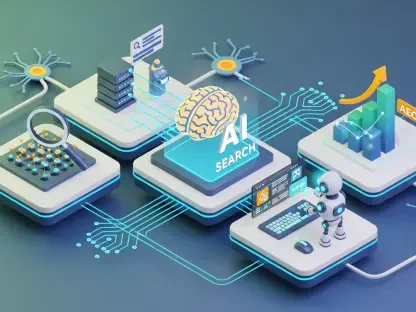
The integration of AI-powered services now serves as the central nervous system of modern marketing operations. These technologies move beyond simple automation to provide predictive insights, enabling brands to anticipate customer needs and market shifts. Through advanced algorithms, AI facilitates hyper-personalization at a scale previously unimaginable, tailoring content, product recommendations, and advertising creative in real time. This capability allows for continuous campaign optimization, ensuring that marketing spend is allocated to the channels and tactics delivering the highest returns.
Supporting this intelligent core, integrated analytics platforms are essential for creating a holistic view of performance. By connecting disparate data from social media, SEO, paid advertising, and CRM systems, these platforms allow marketers to map the entire customer journey. This unified perspective is crucial for accurately attributing conversions, understanding cross-channel influence, and ultimately proving the return on investment of marketing activities. Without this comprehensive measurement, strategies remain fragmented, and decisions are based on incomplete information.
The ongoing debate over AI as a job replacement often overlooks its more immediate role as a strategic enabler. By automating routine, low-level tasks such as keyword research, data compilation, and performance reporting, AI frees marketing professionals to focus on what humans do best: strategy, creativity, and building authentic relationships. This partnership between human ingenuity and machine intelligence is the key to unlocking new levels of efficiency and innovation.
The Authority & Trust Axis: Forging Authentic Audience Connections
Content marketing has evolved far beyond generic blog posts into a discipline centered on establishing deep, industry-specific authority. Brands that succeed are those that act as definitive experts and trusted resources within their niche. This is achieved by creating in-depth content—such as technical white papers, detailed guides, and data-backed case studies—that addresses the complex pain points of a specific audience. This approach not only attracts highly qualified traffic but also builds a reputation for expertise that fosters long-term trust.
This trust is further solidified through the strategic use of video marketing and expert collaborations. Authentic storytelling, whether through behind-the-scenes footage or customer testimonials, creates an emotional connection that traditional advertising cannot replicate. Moreover, partnering with credible industry professionals and micro-influencers lends a brand third-party validation. These collaborations, which can take the form of co-hosted webinars or co-authored research, build audience trust far more effectively by leveraging the preexisting authority of a respected expert.
Ultimately, brands that prioritize long-term authority over short-term visibility gain a significant competitive advantage. While fleeting trends and viral moments can generate temporary buzz, a foundation of trust and expertise cultivates a loyal following, particularly in niche markets. This loyal audience is more resilient to market fluctuations and more likely to become brand advocates, creating a sustainable cycle of growth built on credibility rather than just clicks.
The Precision Targeting Engine: Reaching High-Value Customers with Pinpoint Accuracy
The disruptive impact of hyperlocal SEO has become particularly pronounced for service-based businesses aiming to capture high-intent customers. By optimizing their digital presence for specific neighborhoods, cities, or service areas, companies can connect with users actively searching for nearby solutions. This involves more than just basic business listings; it requires creating localized landing pages, developing region-specific content, and managing local reviews to dominate search results for queries like “plumber near me.” This pinpoint accuracy ensures marketing efforts reach consumers at the peak of their purchasing intent.
In the B2B sector, Account-Based Marketing (ABM) has emerged as the dominant methodology for pursuing high-value clients. ABM effectively inverts the traditional marketing funnel by concentrating resources on a preselected list of target accounts. Instead of casting a wide net and nurturing whatever leads come in, this strategy involves creating highly personalized campaigns tailored to the specific needs and stakeholders of each target company. This alignment between marketing and sales drives efficiency and significantly improves the odds of closing large, complex deals.
This shift toward precision challenges the long-held assumption that a wider reach is always better. While broad-stroke campaigns may generate a high volume of leads, the quality is often low, resulting in wasted resources and poor conversion rates. In contrast, precision targeting methods like hyperlocal SEO and ABM deliver a smaller but far more qualified pool of prospects. The high lead quality and improved conversion rates associated with these strategies demonstrate that a focused approach yields superior business outcomes.
The Performance Mandate: Turning Attention into Measurable Business Outcomes
Conversion Rate Optimization (CRO) has solidified its role as an indispensable, continuous process for maximizing the value of existing website traffic. Instead of being a one-time project, CRO is an ongoing cycle of testing, learning, and refinement. By methodically analyzing user behavior and implementing A/B tests on elements like headlines, calls-to-action, and page layouts, businesses can steadily increase the percentage of visitors who take a desired action. This iterative improvement allows companies to grow revenue without a corresponding increase in advertising spend.
A comparative analysis of a one-off website redesign versus an ongoing CRO program clearly reveals the superior long-term impact of the latter. A redesign may provide a temporary lift, but user behaviors and market conditions constantly change. A continuous CRO program, however, allows a business to adapt and optimize in real time, compounding gains over months and years. This sustained focus on refinement ensures that digital assets are always performing at their peak potential.
This section adds new value by focusing not just on attracting leads but on the final, crucial step of converting them efficiently. The performance mandate demands that marketing activities be directly tied to bottom-line growth. By prioritizing CRO, businesses ensure that the attention they work so hard to capture is effectively translated into tangible, measurable business outcomes, transforming their websites from digital brochures into powerful revenue-generating engines.
Architecting Your Future: From Insights to Actionable Strategy
The major takeaways reinforce that success hinges on an integrated ecosystem of intelligent, authentic, and precise marketing services. Siloed tactics are no longer sufficient; a holistic strategy that combines data-driven insights with genuine audience connection is the only path to sustainable growth. The services outlined are not independent options but interconnected components of a modern growth engine.
To move forward, businesses should conduct an honest assessment of their current marketing maturity to identify gaps and prioritize which services to adopt first. A B2B enterprise might begin with an ABM pilot program, while a local service provider should prioritize hyperlocal SEO. The right starting point depends entirely on the company’s unique industry, target audience, and overarching business goals.
Practical implementation can begin with small, manageable steps. For instance, a simple website audit can reveal immediate opportunities for Conversion Rate Optimization, such as improving page load speed or clarifying calls-to-action. Similarly, identifying and engaging with a few key micro-influencers for an expert collaboration can serve as a low-risk test to validate a new approach to building authority and trust.
Charting the Course Forward: Marketing as a Core Business Driver
This exploration has reinforced the overarching conclusion that marketing has evolved from a simple cost center into a strategic, revenue-generating function integral to business success. The services that were once considered advanced are now the baseline for any organization seeking to compete effectively. Their adoption represents a shift toward a more accountable, data-driven, and customer-centric approach to growth.
Throughout this discussion, the ongoing importance of agility and continuous learning was emphasized. The digital landscape will not stand still, and the consumer behaviors and technologies that dominate today will inevitably give way to new paradigms. The ability to adapt, test, and learn is a critical theme, highlighting that the most successful marketing teams are those built for change.
Ultimately, the analysis provided a compelling case for leaders to invest in a modern marketing stack. This investment was framed not merely as a way to stay competitive but as a strategic imperative for building a resilient and dominant brand. By embracing these essential services, organizations can build a foundation for enduring relevance and long-term prosperity.