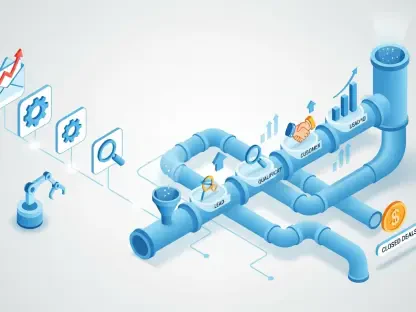

The modern consumer path looks less like a straight line and more like a chaotic game of leapfrog across a dozen different digital touchpoints. A user might discover a specific product via a mobile app during a morning commute, spend their lunch break comparing prices on a desktop browser, and finally pull the trigger on a purchase using a tablet while lounging on the sofa. When these interactions remain isolated within their respective platforms, businesses fail to see a loyal customer; instead, they see three distinct strangers with unrelated behaviors. This fragmentation creates “data silos” that effectively blind an organization to the true lifecycle of its audience, turning what should be a strategic growth plan into an expensive guessing game.
This invisible gap between the app and the browser is the primary reason why even the most sophisticated marketing campaigns often underperform. Growth teams find themselves chasing ghosts because their internal systems cannot recognize that the person who abandoned a cart on the website is the same person who just opened an push notification on their phone. Bridging this divide is no longer just a technical upgrade; it is the fundamental requirement for survival in a market where the cost of customer acquisition continues to climb.
The Invisible Gap: Between the App and the Browser
The fragmentation of the digital experience is a byproduct of how modern technology evolved, with mobile apps and web browsers operating on entirely different architectural foundations. While a website might track a user through cookies, a mobile app relies on device identifiers or proprietary SDKs, creating two parallel universes of information. This structural disconnect means that a brand’s understanding of its customer is often split down the middle, leaving marketers with a bifurcated view of the user journey that lacks any real sense of continuity.
When these silos persist, the damage to the user experience is immediate and palpable. A customer who has already completed a task in the mobile app may be served an aggressive web advertisement asking them to do that very same thing, leading to frustration and a sense that the brand is not paying attention. Moreover, from an organizational standpoint, these gaps make it impossible to calculate the true value of a customer, as the data required to build a holistic profile is scattered across disconnected databases and incompatible software tools.
Why Cross-Platform Data Unification: Is No Longer Optional
The current digital landscape demands a seamless experience, yet the logistics of delivering that experience are becoming increasingly complex. For growth teams and Chief Marketing Officers, the inability to connect a mobile session to a web visit results in skewed attribution and significant waste in marketing spend. If a business cannot prove that a mobile ad led to a web conversion, it might prematurely cut funding for its most effective discovery channel, essentially sabotaging its own growth engine through a lack of visibility.
Beyond the logistical headaches of marketing, the rise of strict privacy regulations such as GDPR and CCPA has turned these data silos into a serious legal liability. In a unified ecosystem, a user’s decision to opt out of tracking is respected everywhere instantly; however, in a fragmented one, a user might withdraw consent on a website while the mobile app remains blissfully unaware. This lack of synchronization risks more than just a disjointed user experience—it invites significant regulatory penalties and erodes the hard-won trust that consumers place in digital brands.
Strategic Pillars: Of a Unified Digital Ecosystem
Achieving true unification requires moving beyond basic demographic segments and toward a model of behavioral relevance through identity stitching. When mobile and web data merge, a brand develops what can be described as “peripheral vision,” allowing it to recognize that a user’s specific interests in an app should dictate the content they encounter on the website. This ensures that every touchpoint feels like a natural continuation of a single, ongoing conversation rather than a series of repetitive and jarring introductions that force the user to start from scratch.
Furthermore, solving the attribution puzzle becomes a reality only when data flows freely between platforms. Unification provides a clear, documented narrative of the sales funnel, allowing teams to observe exactly how top-of-funnel mobile browsing eventually matures into a bottom-of-funnel web purchase. This level of visibility empowers organizations to move away from speculative “last-click” models and toward sophisticated strategies that reward the channels actually moving the needle, ensuring that every dollar spent is backed by a complete set of facts.
Expert Perspectives: On Modern Data Infrastructure
Industry analysts increasingly argue that the “buyer’s story” is the most valuable asset a business owns, yet this story is frequently buried under a mountain of raw, unorganized signals. Technical experts often point out that mobile data is inherently “messier” than web data due to frequent connectivity issues, app crashes, and varying operating system permissions. Consequently, the transition from fragmented silos to a persistent customer identity is now viewed by digital strategists as the primary differentiator between market leaders and companies struggling with high-cost, inefficient acquisition models.
There is a growing consensus that organizations must move away from “brute force” data collection and toward intelligent integration. This means prioritizing the quality and connectivity of data over the sheer volume of information collected. By focusing on how different data points relate to one another in real-time, businesses can move from a reactive posture—where they analyze what happened last month—to a proactive one, where they can predict and influence what a user will do in the next five minutes across any device they choose to pick up.
Frameworks: For Implementing Data Integration
Selecting the right integration model depends heavily on an organization’s technical maturity and specific business goals. Large enterprises with complex compliance needs often lean toward governance-heavy platforms that focus on real-time identity stitching and massive integration ecosystems. Conversely, teams with strong engineering resources may prefer developer-centric APIs that allow them to treat data as a stream which can be cleaned, enriched, and replayed across various tools to ensure maximum flexibility and control over the final output.
For businesses where the mobile experience is the primary driver of engagement, specialized SDKs are essential to handle the unique volatility of the app environment. Meanwhile, a hybrid “warehouse-direct” approach is gaining traction among companies utilizing big data hubs like BigQuery. This model allows marketers to access and activate data directly from where it is stored without the need for constant duplication. To begin this journey, organizations should audit their current data points, define a universal ID strategy, and implement a platform that aligns with their internal capabilities to ensure every department works from a single source of truth.
The journey toward a unified data architecture transformed into a fundamental competitive advantage for those who acted decisively. Organizations that successfully bridged the gap between mobile and web environments found themselves equipped with a level of insight that made previous marketing efforts look like guesswork. By prioritizing identity stitching and centralized consent management, these businesses not only improved their operational efficiency but also fostered deeper levels of consumer trust. Future success now rests on the ability to maintain this persistent view as new digital interfaces continue to emerge and further complicate the user journey.