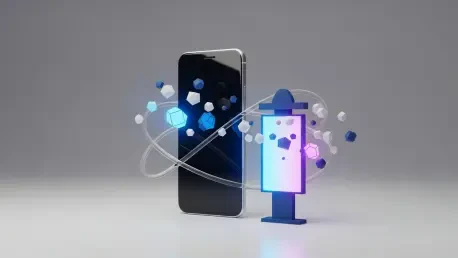

The relentless saturation of digital environments has created a paradoxical landscape where the more a brand spends on social media, the less impact each individual impression seems to have on the actual consumer. Brands now face a digital ceiling that limits growth. To bypass this, marketers look toward the physical world for scale. Real-world presence triggers online behavior and breaks through digital noise.
Breaking the Digital Ceiling with Real-World Presence
Digital fatigue forces brands to seek new ways to capture attention. Physical ads occupy unblockable spaces in a consumer’s journey, offering a tangible alternative to temporary digital feeds.
This presence builds a foundation of trust that digital-only ads often lack. Seeing a brand on the street makes subsequent digital ads feel like helpful reinforcements, leading to higher conversion rates and more efficient spending.
Why the Physical World Is the New Gateway to the Digital Storefront
The consumer journey is a continuous loop between public spaces and private devices. Physical touchpoints drive users to smartphones for immediate research or brand interaction.
High-traffic hubs act as entry points to online stores and digital ecosystems. Because shoppers frequently use phones while moving, the transition from seeing a billboard to visiting a site is natural and immediate.
The Mechanics of the Two-Screen Effect and Programmatic Evolution
The two-screen effect leverages synergy between large displays and mobile devices. Programmatic OOH allows data-driven precision in physical spaces, mirroring the capabilities of digital auctions.
Marketers trigger displays based on factors like weather or audience movement. This ensures relevance, acting as a high-funnel engine that feeds qualified traffic toward social media and search platforms.
Data-Driven Insights: The Link Between Physical Presence and Digital Action
Research like “The Point of Search” proved that real-world visibility correlates with online performance. Studies showed that consumers encountering OOH ads increased branded search volume significantly.
Social media engagement also saw an uplift when campaigns integrated physical displays. Physical footprints act as functional drivers of digital results, confirming that real-world visibility is essential for online growth.
Strategies for Integrating OOH into an Omnichannel Framework
Successful advertisers prioritized environments where mobile usage was naturally high. They used programmatic tools to sync outdoor messaging with social campaigns, which created a seamless experience.
By placing OOH at the strategy’s center, marketers ensured that public visibility catalyzed private engagement. This approach lowered customer acquisition costs and established a sustainable growth model for the modern marketplace.