
The traditional metric of a successful concert tour used to be ticket sales alone, but a fundamental shift in the experience economy has transformed the stage into a multidimensional marketing engine that operates far beyond the physical confines of the arena. This evolution reflects a broader transition where live performances are no longer merely promotional tools for album cycles but serve as the primary drivers of brand equity and long-term revenue. In the current landscape, the value of a tour is measured by its ability to generate a self-sustaining cycle of digital content and consumer engagement.
Major market players and global promoters now prioritize productions that can scale effectively across diverse international markets. This scaling requires a delicate balance between high-end production value and the agility needed to respond to real-time social media trends. Platforms like TikTok and Instagram have fundamentally altered stage design, as creators demand visual environments that translate well to mobile screens. Consequently, the modern tour must function as both a physical spectacle and a digital asset library.
The Evolution of the Live Entertainment Experience and Global Touring Dynamics
The post-pandemic era initiated a surge in demand for live experiences, leading to a crowded market where artists must offer more than just a musical performance. High ticket demand is now driven by the perceived scarcity of “documentable” moments, which fans can share with their digital communities. This shift has forced a move away from static, repetitive show formats toward dynamic environments that encourage audience interaction and real-time content creation.
Global touring dynamics now involve complex logistics that must account for the rapid saturation of major markets. To maintain momentum across dozens of dates, promoters utilize sophisticated data analytics to target specific fan demographics and optimize ticket pricing. The influence of global promoters has allowed for the creation of stadium-level productions that maintain a consistent brand identity while adapting to local cultural nuances, ensuring a seamless experience for a global audience.
Innovative Trends and Quantifiable Growth in the Modern Performance Sector
Harnessing the Digital Ecosystem: Transforming Live Shows into Viral Content Engines
The transition from a standard performance to a viral media event is exemplified by the integration of high-fashion collaborations into the tour narrative. By working with prestigious houses like Givenchy and Vivienne Westwood, the production creates a visual language that appeals to fashion journalists and digital influencers alike. These collaborations generate organic PR, as major designers share tour imagery on their own platforms, reaching audiences far beyond the typical music fan base.
Official engagement strategies, such as those led by the Team Ariana apparatus, further amplify this reach by centering the fan in the brand story. By reposting fan-made content and fashion recreations, the tour incentivizes a high level of creative output from the audience. This transformation of the attendee from a passive observer to an active content creator ensures that the tour remains a constant presence in digital feeds, maintaining cultural relevance throughout the entire run.
Evaluating Performance Indicators: Revenue Projections for Multi-Tiered Tours
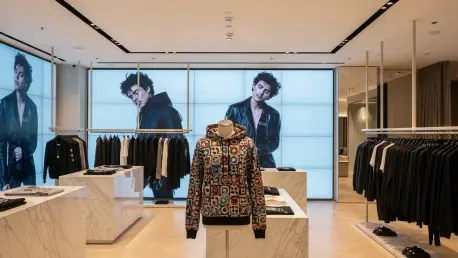
A diversified retail strategy is essential for maximizing the return on investment in the modern touring sector. The implementation of a three-tiered merchandise model—consisting of venue exclusives, regional pop-up shops, and mass-market retail partnerships—allows for multiple entry points into the brand. This approach captures revenue from a wide spectrum of consumers, from the hardcore fan seeking a rare hoodie to the casual shopper at a mainstream outlet like Urban Outfitters.
Market data suggests that the intersection of luxury branding and traditional tour memorabilia significantly increases the average spend per head. Growth projections for tours that leverage earned media through designer collaborations indicate a higher long-term ROI compared to those relying on traditional paid advertising. This content-first strategy builds a sustainable brand architecture that continues to generate revenue and engagement long after the final show has concluded.
Overcoming Operational Hurdles and Logistical Barriers in Large-Scale Tours
Navigating the rising costs of international logistics remains a significant challenge for even the largest productions. High-end production elements, while necessary for a cinematic experience, require substantial investment in shipping and labor. To mitigate these costs, tour managers must implement efficient scheduling and local sourcing strategies that do not compromise the visual integrity of the show.
Maintaining a sense of scarcity in merchandise while satisfying a massive global demand is another complex operational hurdle. Strategies such as limited-edition city-specific drops help maintain the “status” value of the apparel, though they require precise inventory management. Furthermore, the saturation of the live music market demands that artists find ways to keep the performance feeling fresh and authentic across more than 40 tour dates, avoiding the pitfalls of a rigid or overly scripted show.
Managing Compliance and Security Within the International Concert Circuit
Safety protocols and crowd management standards have become increasingly stringent for major stadium events. Ensuring regulatory compliance across diverse global markets requires a deep understanding of local laws and safety requirements. From North America to Europe, promoters must coordinate with local authorities to implement robust security measures that protect both the performers and the thousands of fans in attendance.
The role of data privacy and digital security has also grown in importance as tours transition to mobile ticketing and dedicated fan-engagement apps. Protecting the personal information of millions of users is a primary concern, necessitating high standards of cybersecurity. Additionally, navigating international intellectual property laws regarding exclusive merchandise and designer collaborations ensures that the brand remains protected against unauthorized reproductions in the global marketplace.
Projecting the Next Frontier: Interactive and Multi-Sensory Fan Engagement
The future of live entertainment lies in the development of cinematic tour narratives that blur the line between music and film. Fans are increasingly seeking personalized and variable experiences over perfectly rehearsed sets. Potential disruptors like augmented reality could allow attendees to interact with the stage environment in new ways, creating a multi-sensory experience that extends the reach of the performance beyond the physical venue.
As consumer preferences continue to evolve, the focus will likely shift toward even greater levels of performance variability. Spontaneous vocal improvisations and real-time lyric changes create a “fear of missing out” that drives digital consumption of every tour stop. This model of fashion-forward, media-savvy touring will likely influence the next generation of pop icons, setting a new standard for how artists connect with their global audience in an increasingly digital world.
Concluding Insights: The Eternal Sunshine Model and Future Industry Standards
The analysis of the recent touring cycle confirmed that the shift toward a tour-as-content-engine framework successfully redefined the relationship between artists and their fan bases. Stakeholders discovered that integrating high fashion and performance variability created a more resilient brand than traditional marketing could offer. The findings indicated that organic reach, fueled by fan participation and designer partnerships, significantly outperformed paid campaigns in terms of cultural impact and sustained engagement.
Stakeholders in the music industry were encouraged to adopt more flexible retail and production models to capitalize on the evolving experience economy. The model demonstrated that authenticity and unscripted moments were the most valuable assets in a saturated market. Moving forward, the industry transitioned to prioritize multi-channel retail and digital synergy as core components of any large-scale production. This era established a new benchmark for how cultural relevance is manufactured and maintained in a globalized entertainment sector.