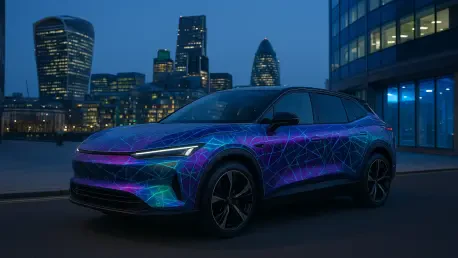

The seamless fusion of high-performance engineering and global pop culture has reached a fever pitch as automotive manufacturers move beyond simple logos to becoming central pillars of the storytelling process itself. In the current media landscape, the alliance between luxury automotive brands and blockbuster franchises is no longer about visibility alone; it is about shared values. High-end vehicles now serve as extensions of a character’s identity, providing a tangible connection between the fictional hero and the aspirational consumer.
Traditional product placement has evolved into a sophisticated narrative partnership where the car is as much a protagonist as the lead actor. For the luxury car segment, these collaborations offer a unique platform to showcase cutting-edge technology to a global audience. By integrating vehicles into the plot, manufacturers ensure that their brand becomes synonymous with the excitement and innovation depicted on the silver screen.
The Intersection of Automotive Innovation and Blockbuster Cinema
The evolution of automotive and entertainment collaborations has transformed from static background appearances to deep, narrative-driven branding. In the current market, major players realize that audiences are increasingly immune to standard commercials, prompting a shift toward immersive storytelling. Modern filmmaking allows brands to demonstrate their values through the actions of cinematic icons, making the vehicle an essential tool for the hero’s journey.
Technological influences are driving these massive cross-promotional campaigns, with digital integration playing a primary role. Luxury car brands utilize these platforms to highlight their transition to electrification and digital-first interiors. This synergy enhances the cinematic experience by adding a layer of realism and sophistication that resonates with diverse demographics in 2026.
Catalysts for Change: Narrative Integration and High-Tech Engagement
Emerging Trends in Cinematic Storytelling and Consumer Interaction
Current marketing strategies move far beyond passive exposure by weaving the BMW iX3 directly into the superhero’s environment. Through specialized content like the London-based teaser, the vehicle becomes a functional part of the narrative rather than a mere prop. This alignment of the Neue Klasse vehicle launch with the Spider-Man character reboot signifies a bold new beginning for both the brand and the franchise, emphasizing a fresh perspective on urban mobility.
Multi-sensory brand experiences are now a reality for vehicle owners across 70 countries through digital startup animations and synchronized ambient lighting. The implementation of E Ink Prism technology in showpieces like the iX3 Flow creates an interactive experience that captivates tech-savvy audiences. These dynamic exterior graphics allow the brand to remain at the forefront of digital innovation, turning every vehicle into a potential canvas for creative expression.
Quantifying the Impact of the $309 Million Media Powerhouse
The marketing rollout for the film represents a record-breaking financial undertaking with a media value estimated at $309 million. This staggering investment is validated by the global reach and performance indicators that show high engagement across multiple age groups. By syncing the lifecycle of a new vehicle generation with a major intellectual property, the brand maximizes its visibility during the most critical phases of a product launch.
Growth projections indicate that automotive brands leveraging popular franchises see a significant uptick in brand sentiment and digital traffic. These high-budget tie-ins provide a scalable platform that traditional advertising cannot replicate. As the automotive industry continues to focus on software and connectivity, these partnerships offer a direct line to the next generation of luxury car buyers.
Navigating the Complexities of High-Stakes Co-Branding
A significant challenge in modern co-branding is avoiding the background noise created by a saturated promotional environment. To prevent brand dilution, companies must ensure their products are essential to the scene rather than just visible in it. This requires a delicate balance between the creative vision of the director and the corporate requirements of the brand to maintain the integrity of the story.
Technical hurdles also exist when deploying synchronized digital features to compatible vehicle fleets worldwide. Ensuring that software updates reach 70 different markets simultaneously requires a robust digital infrastructure and meticulous planning. Furthermore, marketing teams must manage the risk of consumer fatigue by delivering content that feels authentic and genuinely adds value to the movie-watching experience.
The Regulatory and Ethical Framework of Modern Brand Integration
Transparency and disclosure remain paramount as advertising standards regarding product integration become more stringent. Brands must adhere to global laws that require clear distinctions between entertainment and promotional content. As vehicles become more personalized through in-car digital experiences, data privacy and security measures are essential to protect the information of owners who engage with thematic content.
Regulatory impacts on experimental technologies, such as dynamic E Ink displays, vary by jurisdiction and require constant monitoring. Compliance with international marketing laws ensures that synchronized campaigns remain legal and ethical across different regions. By maintaining high standards of transparency, automotive brands can build long-term trust with their global customer base while pushing the boundaries of digital marketing.
The Road Ahead: The Future of Experiential Automotive Marketing
The rise of the software-defined vehicle is transforming the car into a primary medium for digital brand storytelling. In the coming years, from 2026 to 2028, the integration of Augmented Reality and Artificial Intelligence will likely connect film narratives with real-world driving experiences. This will allow drivers to interact with their favorite franchises through head-up displays and voice assistants, creating a truly immersive environment.
Future growth will be influenced by global economic conditions and changing consumer preferences for sustainable mobility. Superhero partnerships are expected to highlight eco-friendly technologies, aligning the hero’s values with the brand’s commitment to the environment. This shift will ensure that automotive marketing remains relevant in a world increasingly focused on green innovation and digital connectivity.
Synthesis of a New Marketing Benchmark in the Digital Age
The collaboration between BMW and Sony Pictures provided a definitive roadmap for future high-stakes co-branding efforts. Stakeholders identified that the deep integration of product technology into a cultural phenomenon generated a higher return on investment than traditional media buys. The campaign established a new standard for how automotive brands could utilize digital infrastructure to engage customers long after they left the theater.
Moving forward, companies should focus on developing modular software platforms that allow for rapid deployment of thematic content. This flexibility will be crucial for future-proofing brand partnerships and ensuring that marketing efforts remain agile in a fast-paced digital economy. By prioritizing narrative depth over simple exposure, the industry moved toward a more meaningful connection with the modern consumer.