
Hospitality technology is no longer just about booking a room; it has evolved into a sophisticated digital ecosystem where the relationship between property management and data intelligence defines the success of independent lodging. This shift toward cloud-based infrastructures allows boutique properties and independent resorts to bridge the operational gap between back-office management and front-facing marketing. The integration of WebRezPro with Inntopia represents a significant milestone, merging a robust Property Management System with a specialized Customer Data Platform. Such synergy is essential for making informed decisions in a global travel market that remains fiercely competitive and increasingly reliant on real-time data.
Shaping the Future Through Data Unification and Growth
Emerging Trends in Guest Personalization and Marketing Automation
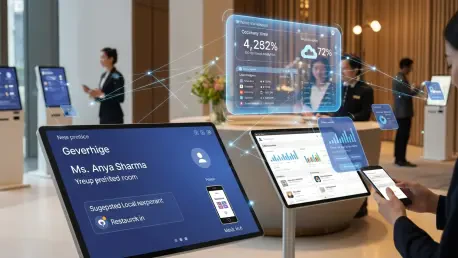
As guest expectations rise, the industry is witnessing a transition from fragmented data silos toward unified 360-degree guest profiles. This evolution enables marketing automation that utilizes artificial intelligence to suggest hyper-relevant upsells and personalized content throughout the guest journey. Moreover, the integration of omni-channel messaging—incorporating email, SMS, and social media—ensures that communications are triggered by specific events within the PMS. This seamless engagement meets the modern demand for high-touch digital experiences, effectively turning every reservation into a personalized narrative rather than a mere transaction.
Market Projections and the Economic Impact of Integrated Solutions
Market forecasts indicate significant growth in the adoption of hospitality CRM and automation tools from 2026 through 2030. Data suggests that properties utilizing personalized marketing see substantial increases in both conversion rates and ancillary revenue compared to those using generic outreach. By leveraging these enterprise-level tools, independent hotels are finally narrowing the performance gap that once separated them from massive international chains. Automation further enhances this economic impact by significantly reducing the administrative burden on small teams, allowing staff to focus on guest service rather than manual data entry.
Overcoming Technical Barriers and Fragmented Data Obstacles
However, achieving this level of sophistication requires overcoming the persistent challenge of data silos where valuable information remains trapped in legacy systems. Technical hurdles often complicate real-time synchronization between property management software and external marketing platforms. Maintaining data accuracy across multiple touchpoints is critical; otherwise, automation risks delivering irrelevant or incorrect messaging. Successful operators are those who move from simply collecting raw data to identifying actionable revenue opportunities through precise guest segmentation and clean architectural integration.
Navigating the Regulatory Landscape and Data Privacy Standards
Security remains a top priority as global data protection laws like GDPR and CCPA redefine how hotels manage sensitive guest details. Maintaining compliance is no longer optional, and the use of secure APIs and cloud-based architecture is vital for protecting reservation information. Beyond legal requirements, transparent communication regarding data usage helps build a foundation of trust between the brand and the traveler. This focus on privacy ensures that personalization efforts are perceived as a value-added service rather than an intrusion, ultimately fostering long-term brand loyalty.
The Horizon of Hospitality Innovation and Guest Lifetime Value
Looking ahead, the role of predictive analytics and machine learning will likely become the standard for anticipating guest needs before they are even expressed. The concept of loyalty is also evolving into Loyalty 2.0, where deep behavioral personalization replaces traditional point-based systems. Potential disruptors like decentralized data storage and mobile-first guest journeys are expected to reshape the market further. This trajectory suggests a continued trend of strategic alliances within the hospitality tech stack, as specialized providers combine forces to offer more comprehensive solutions to independent operators.
Strategic Outlook for Revenue Maximization and Operational Excellence
The integration between WebRezPro and Inntopia provided a clear blueprint for how independent operators maximized their revenue potential. The shift toward automated workflows proved essential for driving repeat business and maintaining operational excellence in an era of high-engagement service models. Industry leaders prioritized data-driven infrastructure to ensure that every guest interaction contributed to a higher lifetime value. Ultimately, the adoption of these sophisticated tools empowered hotels to transform their operational challenges into sustainable competitive advantages.