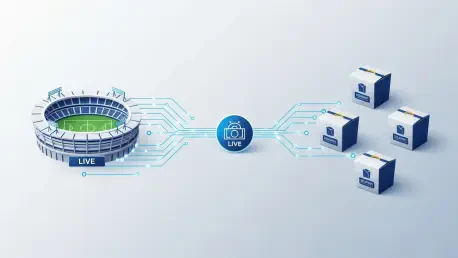

The precise moment a championship-winning shot leaves a player’s fingertips now triggers a digital chain reaction that ends with millions of consumers claiming a free meal before the ball even hits the floor. This represents a fundamental shift in the quick-service restaurant industry, where the traditional model of static, seasonal coupons has been replaced by a high-stakes game of cultural relevance. Marketing is no longer about simply offering a discount; it is about synchronizing a brand’s presence with the collective heartbeat of a live audience. The industry is currently defined by this convergence of digital infrastructure and physical logistics, turning every major sporting event or award show into a massive, decentralized dining room.
Within this landscape, the primary segments of the market are moving away from passive advertising toward active participation in the entertainment ecosystem. Major players are investing heavily in real-time response engines that allow them to pivot their messaging within seconds of a headline-grabbing event. Technological influences, particularly the ubiquity of high-speed mobile networks and sophisticated app ecosystems, have made this transition possible. Furthermore, market regulations regarding data privacy and digital advertising are tightening, forcing brands to find creative ways to engage fans without overstepping ethical boundaries. The current state of the sector is one of intense competition, where the winner is often the brand that can best bridge the gap between a digital notification and a physical storefront.
The New Frontier of Fast-Food Marketing: From Transactions to Cultural Moments
Traditional fast-food marketing was once a marathon of predictable cycles, but today it has transformed into a series of explosive sprints known as cultural moments. Instead of hoping a customer remembers a commercial from three days ago, brands are embedding themselves into the immediate psychological peaks of a live event. This strategy moves the consumer relationship beyond the transactional and into the experiential. When a brand celebrates a victory alongside its customers, it ceases to be a mere service provider and becomes a participant in the social ritual. This evolution is critical because it addresses the modern challenge of fragmented attention, ensuring the brand is present when consumer engagement is at its absolute highest.
The scope of this shift is massive, affecting everything from menu development to supply chain management. Digital integration has reached a point where a promotional trigger can be localized down to a specific city or stadium, creating a sense of hyper-local community within a national campaign. Market players are now measured by their agility—the ability to identify a trending topic and mobilize a national giveaway in a matter of hours. This level of responsiveness is the new standard, as consumer expectations have shifted toward immediate gratification. Those who fail to participate in these shared cultural experiences risk becoming invisible in a world that moves at the speed of a social media feed.
Emerging Trends and the Data Driving the Real-Time Revolution
How Event-Driven Strategies and Digital Integration Shape Consumer Choice
Current trends indicate that event-driven strategies are the most effective way to influence consumer choice in an era of endless options. Digital integration has allowed brands to use live data as a catalyst for action, creating a feedback loop between the screen and the kitchen. For instance, a high-scoring quarter in a basketball game might automatically trigger a specific reward for fans in the winning team’s region. This level of automation ensures that the promotion is always relevant and timely. Moreover, the integration of third-party delivery services into these real-time campaigns has expanded their reach, allowing consumers to participate in the “moment” without ever leaving their couches.
Evolving consumer behaviors suggest that younger demographics are increasingly resistant to traditional advertising but highly responsive to “gamified” promotions. They seek out brands that offer a sense of play and urgency. This has led to the rise of the “limited-window” offer, where the value is derived as much from the thrill of the chase as it is from the food itself. New opportunities are appearing in the form of augmented reality and interactive streaming, where fans can unlock rewards by interacting with a broadcast in real time. These technologies are turning passive viewers into active participants, fundamentally changing how loyalty is built and maintained.
Measuring the Momentum: Growth Projections for Experiential QSR Campaigns
Performance indicators suggest that experiential campaigns yield significantly higher return on investment compared to traditional media buys. Market data reveals that the engagement rate for promotions linked to live events is nearly three times higher than that of standard digital ads. Growth projections for this segment of marketing are aggressive, with industry experts forecasting a substantial increase in budget allocation toward real-time engagement platforms over the next three years. This shift is driven by the clear correlation between event-driven triggers and immediate spikes in foot traffic and app downloads. Brands are no longer guessing if their ads work; they are seeing the results in their point-of-sale data within minutes of a promotion going live.
Looking ahead, the forecast for the industry involves a deeper reliance on predictive analytics to anticipate these cultural moments before they happen. While some events are spontaneous, others follow a predictable rhythm that brands can prepare for months in advance. The data suggests that the most successful companies will be those that balance planned activations with the ability to react to the unexpected. As the digital infrastructure becomes more robust, the scale of these campaigns will only grow, potentially reaching a global audience simultaneously. The momentum is clearly moving toward a future where the distinction between a marketing campaign and a live event is completely blurred.
Overcoming the Hurdles of High-Speed Marketing Execution
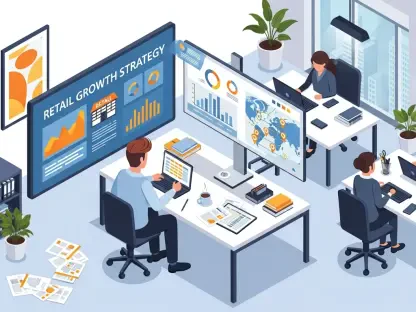
Executing a national promotion in real time presents a labyrinth of operational complexities that can break a brand if not managed properly. The primary obstacle is the unpredictability of live events; a game that goes into triple overtime or a sudden cancellation can throw a pre-planned activation into chaos. To combat this, brands are developing sophisticated “war rooms” where marketing, legal, and supply chain teams work in tandem during major events. This high-level coordination is necessary to ensure that a sudden surge in demand does not lead to product shortages or restaurant closures. A failed execution in a high-visibility moment can do more damage to a brand’s reputation than no promotion at all.
Technological hurdles also remain a significant concern, particularly regarding the stability of mobile applications under extreme load. When millions of users attempt to redeem a free offer simultaneously, servers often reach their breaking point. Solving this requires a massive investment in cloud infrastructure and load-testing protocols. Beyond technology, there is the human element: restaurant staff must be trained to handle a massive influx of customers with minimal notice. Strategies to overcome this include simplified promotional menus and dedicated “pick-up” lanes for digital orders. By streamlining the physical transaction, brands can maintain a positive consumer experience even during peak traffic periods.
Navigating the Legal and Ethical Landscape of Instant Promotions
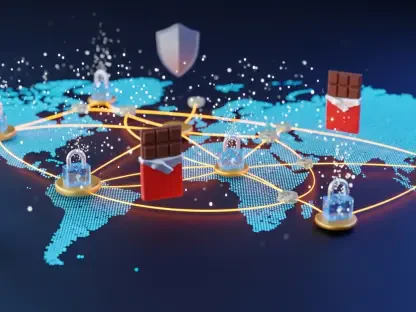
As the speed of marketing increases, the regulatory landscape is becoming more complex, requiring brands to be hyper-vigilant about compliance. Significant laws regarding sweepstakes and digital giveaways must be navigated carefully to avoid massive fines or legal challenges. Every instant promotion must have a clear set of terms and conditions that are accessible and transparent to the consumer, even if the “moment” only lasts for an hour. Moreover, the role of security measures cannot be overstated, as these high-profile events are prime targets for bot activity and digital fraud. Implementing robust verification systems is essential to ensure that rewards are going to legitimate fans rather than automated scripts.
Ethical considerations are also coming to the forefront, particularly regarding the collection of consumer data during these high-intensity moments. Standards are being established to ensure that brands do not exploit the excitement of an event to gather excessive personal information without clear consent. Compliance with global data protection regulations is no longer optional; it is a core requirement for any digital marketing strategy. The effect on industry practices has been a move toward “privacy-by-design,” where security and transparency are built into the promotional platform from the very beginning. This approach not only protects the consumer but also builds long-term trust in the brand.
The Future of QSR Engagement: Hyper-Personalization and Predictive Rewards
The trajectory of the industry points toward a world where rewards are not just real-time, but hyper-personalized to the individual’s history and preferences. Emerging technologies like machine learning will allow brands to offer predictive rewards—offering a consumer their favorite meal just as they realize they are hungry, based on their past behavior and current location. This level of precision will move the industry away from “one-size-fits-all” giveaways and toward a model of one-to-one engagement. Potential market disruptors include the rise of decentralized social platforms and the increasing use of digital currencies, which could redefine how value is transferred between a brand and its followers.
Future growth areas will likely focus on the integration of food service into the broader “meta-layer” of everyday life. This means that a consumer’s smart home or wearable device could automatically trigger a meal order based on a specific event, such as their favorite team scoring or even a personal fitness milestone. Innovation in this space will be driven by the need to remove every possible point of friction from the transaction. However, global economic conditions and fluctuations in the cost of labor and raw materials will continue to act as a tether on how aggressively these technologies are deployed. The most successful brands will be those that can leverage high-tech solutions while maintaining a human-centric approach to service.
Final Synthesis: Mastering the Art of the “Moment” to Drive Long-Term Loyalty
The transition from transactional advertising to real-time cultural engagement marked a definitive turning point for the quick-service restaurant industry. It was observed that the most successful brands moved away from being mere vendors and instead became active participants in the shared experiences of their customers. This strategy successfully leveraged the psychological triggers of urgency and community, proving that a well-timed “free” offer could generate more value in sixty minutes than a month of traditional television spots. The focus shifted from the caloric value of the food to the emotional value of the moment, creating a new metric for brand health centered on cultural resonance.
Moving forward, the industry must prioritize the stabilization of the digital-to-physical pipeline. Investment should be directed toward flexible supply chains and robust app architectures that can survive the volatility of live event triggers. Brands would be wise to explore deeper integrations with entertainment platforms, moving beyond simple sponsorships into true co-creation of content. The prospect of hyper-personalization offers a clear path to long-term loyalty, provided that data privacy remains a foundational pillar of the strategy. Ultimately, the goal is to cultivate a brand identity that is so synonymous with the excitement of the moment that the consumer no longer sees the promotion as an ad, but as an essential part of the celebration.