
Walking through the expansive halls of a contemporary convention center, visitors no longer encounter the traditional sea of disposable trinkets that once defined the trade show experience for decades. Instead, high-performing organizations have transitioned toward treating branded merchandise as a sophisticated professional communication tool that is deeply integrated into the entire event lifecycle. This significant shift ensures that giveaways are no longer viewed as a last-minute logistical afterthought but rather as a strategic vehicle designed to drive brand narratives and build lasting connections with a target audience. Modern branded merchandise is increasingly characterized by a heavy focus on retail-quality products and highly sophisticated, data-driven engagement strategies that prioritize quality over quantity. By utilizing tiered gifting models and leveraging cutting-edge technology, companies are redefining the metrics of success on the trade show floor through intentionality.
Building Identity: Storytelling and Industry Data
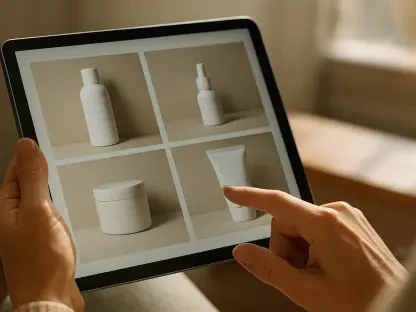
Leading brands now utilize curated merchandise to create a specific narrative and foster a sense of genuine community among the attendees who visit their exhibition spaces. By selecting items that align perfectly with the core values of a brand, such as premium lifestyle goods that signal inherent trust and exceptional quality, companies effectively turn their booths into curated environments rather than simple sales stalls. This meticulous approach ensures that every piece of merchandise serves as a tangible extension of the broader message of the brand, making the company feel more modern and relatable to a discerning professional audience. When an attendee receives an item that feels like a legitimate retail product, the perceived value of the brand increases proportionally, creating an immediate psychological bond. This intentional selection process moves beyond mere visibility, focusing instead on how a physical object can encapsulate a corporate identity in a single, well-crafted item.
Recent industry research confirms that this specific strategic focus yields significant measurable results, with a vast majority of recipients reporting a much more positive outlook toward brands that offer high-quality items. Furthermore, because most professional attendees tend to keep and use functional products regularly in their daily lives, these items provide long-term brand recall that traditional digital marketing channels often struggle to match in a saturated environment. The data consistently suggests that branded products have moved from the sidelines of the marketing budget to become a primary engagement channel for serious professional exhibitors. When an item remains on a prospect’s desk for months, it acts as a silent salesperson, reinforcing brand familiarity every single time the individual interacts with the object. Consequently, the physical nature of these goods provides a unique touchpoint that transcends the temporary nature of digital campaigns, grounding the brand in reality.
Maximizing Lead Quality: Tiered Gifting and Gamification
A primary strategy for modern exhibitors involves the rigorous implementation of tiered gifting, which categorizes various types of merchandise based on the specific value of a potential lead. This model ensures that high-end, premium items are strictly reserved for prospects who commit to deeper, more meaningful interactions, such as attending a comprehensive product demo or booking a formal follow-up meeting. By aligning the actual cost of the gift with the potential lifetime value of the customer, companies can manage their marketing budgets far more effectively while simultaneously incentivizing a much higher level of engagement. Lower-tier items still serve a purpose for general awareness, but the prestige associated with top-tier rewards creates a sense of exclusivity that motivates visitors to invest their time in learning about a product. This systematic approach transforms the giveaway process from a passive distribution model into an active negotiation tool that rewards high-value interactions on the floor.
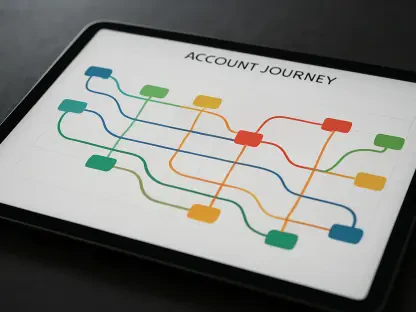
This tiered approach frequently incorporates advanced gamification techniques, which encourage attendees to effectively level up their interaction with a brand to earn increasingly valuable rewards. Lower-tier items work exceptionally well for simple actions such as social media follows or quick booth check-ins, while exclusive VIP items are saved for serious sales prospects who represent a high probability of conversion. Such a structured environment helps booth staff prioritize their limited time and ensures that every single giveaway is tied to a specific business action or a defined milestone within the complex sales funnel. Gamified experiences not only increase the sheer volume of booth traffic but also improve the quality of the data collected during those interactions. When a visitor participates in a challenge or a digital quest to unlock a reward, they become more mentally invested in the brand journey, making the eventual conversation with a sales representative feel more natural and earned.
Creative Selection: Personalization Through Technology
Successful merchandise selection currently prioritizes extreme utility and distinct uniqueness, focusing heavily on retail-forward items that fit naturally into the daily routine of a busy professional. Brands are finding immense success by putting creative and unexpected twists on common household or office goods, such as using thematic packaging that serves as an immediate and natural icebreaker for deep conversation. When an item is both demonstrably useful and aesthetically memorable, it earns a permanent place on the desk of a prospect or in their personal travel bag, providing constant and recurring brand exposure. This shift away from generic plastic items toward thoughtful, well-designed goods reflects a broader trend of respect for the time and intelligence of the attendee. Companies that invest in high-quality items that solve a specific problem or provide a genuine benefit are viewed as problem-solvers, which is a powerful psychological association for any business to establish with its clients.
Personalization has emerged as a major trend in the exhibition space, often powered by sophisticated Artificial Intelligence to create truly one-of-a-kind experiences right at the booth. From AI-driven custom perfume creation that matches a visitor’s preferences to unique stickers generated instantly from hand-drawn digital sketches, these high-tech activations provide a sense of theater that naturally draws a crowd. This level of extreme customization ensures that the attendee walks away with a unique item that creates a much deeper emotional connection with the brand than any mass-produced giveaway could ever achieve. The interactive nature of these AI-powered stations turns the act of receiving a gift into a memorable event in itself, which is often shared across social platforms for additional reach. By merging the physical product with a personalized digital experience, exhibitors are able to capture the attention of the modern professional who values both technological innovation and high-quality craftsmanship in the items they keep.
Driving Business Growth: Measurable Return on Investment
The most critical component of a modern trade show strategy is the relentless focus on a measurable return on investment for every dollar spent on physical engagement. Branded merchandise is no longer viewed by executive leadership as a sunk cost or a necessary evil; instead, it is treated as a tracked asset that drives pre-booked meetings and helps build millions of dollars in the sales pipeline. By training booth staff to use merchandise as a precise tool for lead qualification, companies can report incredibly clear metrics on how these physical items directly influence financial growth and customer acquisition. The ability to link a specific giveaway to a closed deal months later has revolutionized how marketing departments justify their presence at large-scale industry events. This shift toward accountability ensures that every item selected has a clear purpose and a measurable path toward contributing to the bottom line of the organization, turning the exhibition floor into a high-performance sales engine.
Strategic merchandise integration ultimately transformed the way companies approached major industry events by turning physical touchpoints into powerful catalysts for business expansion. Organizations that adopted these sophisticated methods observed a dramatic increase in meeting completion rates and a significant boost in social media growth following each major exhibition. Looking forward, the next step for exhibitors involves further refining the integration between physical goods and biometric data to create even more personalized attendee journeys. Professionals who wish to remain competitive should consider auditing their current inventory to ensure that every item reflects the high standards of their brand identity while providing genuine value to the recipient. By moving away from the era of mindless distribution and embracing a philosophy of intentional gifting, brands secured their place in the minds of their customers long after the event lights dimmed. This evolution proved that when physical items were treated with the same rigor as digital campaigns, they delivered an unparalleled impact.