
The digital storefront has migrated from the isolated browser tab directly into the heart of the social feed, where the distance between scrolling and spending is measured in milliseconds rather than deliberate clicks. While the “Buy Now” button has become a ubiquitous fixture on platforms like TikTok and Instagram, the actual completion of a purchase remains a delicate psychological hurdle that many brands still struggle to clear. In the current retail environment, the friction is no longer found in the discovery of a product, but in the final seconds of the transaction where doubt often replaces impulse. Successfully navigating this transition requires a move away from the loud, aggressive sales tactics of the past and toward a refined strategy of transactional clarity.
Success in the modern social marketplace depends on a brand’s ability to foster immediate consumer confidence. When a shopper pauses at the final checkout screen, they are not looking for more reasons to want the item; they are looking for reasons to trust the process. This trust is built through the meticulous removal of hidden costs, the early surfacing of payment options, and the implementation of subtle, data-driven incentives that validate the purchase. As “confidence” becomes the primary currency for social commerce platforms, the brands that thrive are those that treat the checkout interface as a space for reassurance rather than a final attempt at persuasion.
Precision Over Persuasion: The New Rules of Social Commerce
Why do so many social checkouts stall just one tap before conversion, even when the buy button is already in sight? The answer lies less in flashy discounts and more in cart-stage psychology—the small, precise cues that reassure buyers their decision is smart and safe. In the current landscape, the modern shopper does not need more hype; they need the elimination of every last trace of doubt before they commit to the final tap. This shift represents a fundamental change in how digital marketing functions at the bottom of the funnel, moving from a focus on emotional desire toward a focus on logistical certainty.
As “confidence” becomes the primary currency for TikTok Shop, Instagram, and YouTube Shopping, brands are shifting away from aggressive pushing toward the total removal of friction. This transition is driven by a consumer base that is increasingly wary of the “hidden catch” in social media advertisements. When a user transitions from a fast-paced video to a checkout screen, the sudden shift in tone can be jarring. To combat this, the checkout experience must feel like a natural extension of the content they were just enjoying—transparent, fast, and devoid of unexpected hurdles like uncalculated taxes or ambiguous delivery timelines.
Precision in 2026 involves the surgical application of incentives that address specific abandonment triggers. If data indicates that users are dropping off when they see shipping costs, the solution is not necessarily a bigger discount on the product, but a clearer path to avoiding that specific fee. By focusing on the removal of these micro-frictions, brands can maintain the momentum of the social discovery phase all the way through the final transaction. The goal is to make the act of paying feel as effortless and rewarding as the act of scrolling, ensuring that the transition from viewer to customer is entirely seamless.
The Shift to Social-First Checkout Dynamics
The landscape of social commerce has undergone a fundamental transformation, moving from simple product discovery to fully integrated transactional environments. With Meta shifting Facebook and Instagram Shops back to merchant-website checkouts and TikTok Shop expanding its native “Pay Later” features, the technical hurdles of recent years have been replaced by psychological ones. This evolution means that the merchant’s own website must now perform with the same speed and native feel as the social apps that precede it. Understanding this evolution is critical because 39% of shoppers still cite “hidden costs” as their primary reason for abandonment, even when the interface is visually appealing.
Success now depends on how well a brand bridges the gap between an impulsive social discovery and a rational financial decision within the cart interface. When a user clicks a product tag in a video, they are operating in an “impulse mode” characterized by high engagement and low patience. However, as soon as they reach the cart, their brain often switches to a “rational mode” where they begin to evaluate the total cost and the security of the transaction. If the cart screen introduces a complex login process or fails to display the final price immediately, the impulse is lost, and the rational brain finds reasons to exit the tab.
This dynamic has forced a reimagining of the “mobile-first” philosophy into a “social-first” standard. This standard demands that every element of the checkout—from the color of the buttons to the speed at which taxes are calculated—is optimized for a user who is likely multitasking or browsing on a limited time budget. The brands that are currently winning are those that have minimized the number of screens between the social feed and the confirmation page. By aligning the technical performance of their website with the high-velocity expectations of social media users, merchants can effectively capture the value of social traffic before the window of interest closes.
Core Strategies for High-Conversion Social Carts
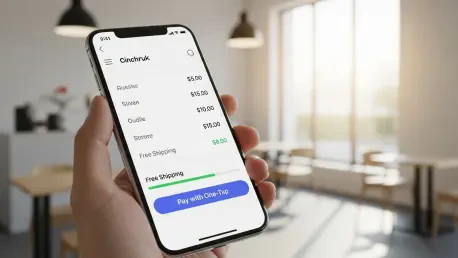
Conditional free shipping remains the most effective lever for increasing both conversion and Average Order Value (AOV). By implementing progress indicators—such as a “You are only $12 away from free shipping” bar—brands capitalize on the psychological urge to complete a set while reducing the “shipping shock” that occurs at the final step. This strategy transforms a potential negative—the cost of shipping—into a game-like challenge that encourages the user to add more value to their cart. It is a proactive approach that addresses the primary reason for abandonment before the user has a chance to feel frustrated by additional fees.
While free shipping is a heavy hitter, moderate discounts ranging from 10% to 25% offer tighter control over profit margins, especially for low-ticket items. Utilizing a “testing ladder” allows brands to find the sweet spot between a baseline price and a hybrid incentive, such as free shipping plus a small percentage off. This ensures that discounts attract long-term customers rather than one-time bargain hunters who may never return. In the context of social commerce, where customer acquisition costs are high, protecting the margin while still providing a sense of “winning” a deal is a vital balancing act for sustainable growth.
Optimizing the Buy Now, Pay Later (BNPL) experience is another essential strategy, but these options must be surfaced early in the journey. Displaying the “Pay in 4” breakdown directly beneath the subtotal—rather than hidden in a later payment menu—builds immediate transparency and reduces the perceived cost of high-ticket items. Furthermore, eliminating last-mile friction is paramount; social shoppers are high-velocity users who will likely abandon a purchase if redirected to a complex external login. Brands must ensure that all fees and delivery timelines are visible instantly upon entering the cart, turning potential friction points into moments of clarity and trust that facilitate a quick conclusion.
Expert Insights on Incentive Performance
Industry data from platforms like Shopify and conversion rate optimization analysts suggest that the “15% discount” currently holds the highest lift in conversion, balancing consumer appeal with brand sustainability. This specific figure appears to be a psychological threshold; it is high enough to feel significant to the buyer but low enough that it does not devalue the brand or suggest a “clearance” quality. When shoppers see a 15% reduction, they often perceive it as a reward for their attention, which helps overcome the final inertia of the checkout process. Experts note that deeper discounts can sometimes backfire by raising questions about the original product’s value.
Financial analysts at SBO Financial warn that while free shipping is a powerful motivator, it must be balanced against fluctuating logistics surcharges to remain “profit-viable.” This is especially true during peak seasons when shipping rates can spike, potentially turning a high-volume sales day into a low-margin or even loss-making event. To counter this, many successful brands are now using dynamic shipping thresholds that adjust based on the user’s location or the specific items in the cart. This level of sophistication allows a brand to remain competitive without sacrificing the financial health of the business, proving that flexibility is as important as the incentive itself.
Research from Baymard highlights that payment-method clarity is a recurring failure point in digital transactions; experts agree that if a shopper has to search for how they can pay, the sale is already lost. In a world where digital wallets like Apple Pay and Google Pay are the standard, the presence of these logos acts as a visual shorthand for security. If a merchant’s social checkout does not immediately display these trusted icons, the user may feel an unconscious sense of risk. Providing a variety of visible, one-tap payment options is no longer a luxury but a fundamental requirement for any brand looking to convert social media traffic at a high rate.
Framework for Implementing Cart-Side Optimizations
A systematic approach to optimization begins with setting data-driven thresholds. Brands should analyze their current Average Order Value and set their free-shipping minimum approximately 15% to 20% above that number. This specific gap is designed to nudge incremental spending without appearing unreachable to the average customer. If the threshold is too high, it creates frustration; if it is too low, the brand leaves money on the table. By grounding this decision in actual purchase data, a merchant ensures that the incentive is working to grow the business rather than just subsidizing existing behavior.
Deploying native user interface elements is the next critical step in the implementation framework. This involves using platform-specific cart banners and progress bars that match the aesthetic of TikTok or Instagram, maintaining a seamless “in-app” feel even if the checkout is technically hosted on the merchant’s website. Visual continuity is a powerful psychological tool; when the design language remains consistent, the user’s level of trust remains high. Any sudden change in font, color scheme, or layout can signal to the user that they have left a “safe” environment, which often leads to immediate abandonment.
Execution of a multi-stage ladder test provides the final layer of optimization by identifying exactly which incentives drive the highest profit per visitor. This involves running a four-week test starting with a baseline price, followed by a shipping incentive, then a discount incentive, and finally a hybrid of both. Throughout this process, it is essential to audit for transparency, ensuring that taxes, shipping fees, and installment amounts are visible before the user clicks “Continue to Payment.” Finally, syncing attribution across platforms using unified promo codes ensures that the incentive offered in a social video perfectly matches the logic applied in the final cart view, closing the loop on a successful conversion strategy.
The shift toward precision in social commerce signaled a departure from the era of generalized marketing. Brands that prioritized transparency and logistical clarity found that their conversion rates stabilized even as competition for attention increased. By focusing on the removal of micro-frictions, these companies transformed the final checkout stage from a point of anxiety into a point of satisfaction for the consumer. This evolution underscored the reality that in a high-velocity digital economy, the most valuable asset a brand could provide was a frictionless path to a decision.
As the industry moved forward, the integration of advanced data analytics and native user interfaces became the baseline for any serious merchant. Those who successfully navigated this transition did so by viewing the checkout process not as a technical necessity, but as a critical part of the brand story. The transition from discovery to purchase became a continuous narrative of value and trust. Looking toward future developments, the emphasis will likely remain on reducing the cognitive load for the shopper, ensuring that every interaction within a social ecosystem is as intuitive as possible.
The conclusion of these efforts was a more efficient marketplace where consumer intent was respected and rewarded. Merchants who mastered the “cart-side” psychology saw a significant reduction in abandonment rates, proving that the final seconds of a transaction were just as important as the initial hook of an advertisement. By treating the checkout as a space for building long-term confidence, brands secured not just a single sale, but the foundation for a lasting customer relationship. This strategic alignment between platform, merchant, and consumer set the standard for a more transparent and effective era of social commerce.