
Milena Traikovich has built a career at the intersection of performance optimization and lead generation, helping brands navigate the increasingly complex landscape of digital influence. As the creator economy matures from a fragmented collection of influencers into a structured professional industry, Milena provides a bridge between raw data and the human trust necessary to drive high-value conversions. Her insights focus on the transition of creators from mere entertainers to essential decision engines that fuel modern commerce.
The shift toward a more formalized creator ecosystem is largely driven by the need for transparency and verified credentials in an era of digital abundance. We discuss how the introduction of universal identifiers and credentialing platforms is bringing much-needed infrastructure to a space that has historically lacked the formal systems seen in traditional media. This conversation explores the economic power of trust over raw reach, the protective measures creators must take against AI-driven identity risks, and the way monetization models are evolving to favor long-term credibility over fleeting virality.
The creator economy has historically lacked the formal accreditation systems found in film or television. How does a universal identifier change the way brands vet talent, and what specific steps should creators take to build a verifiable professional record? Please elaborate with examples of how this affects high-level collaborations.
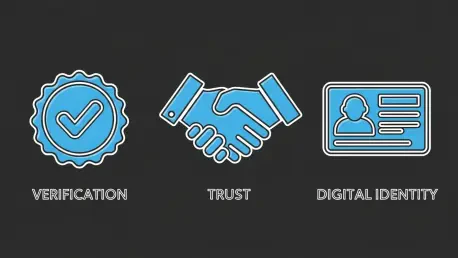
The introduction of a universal identifier, such as the one launched through the Mosaic platform, acts as a centralized, public record that finally gives creators a “root identity” similar to an IMDB credit or a SAG-AFTRA membership. For brands, this removes the guesswork and high manual labor of vetting, allowing them to see a portable and verified history of a creator’s professional work, past collaborations, and authentic ownership of their content. Creators should immediately claim their unique alphanumeric IDs and begin migrating their portfolios into these structured, platform-agnostic databases to ensure their work is attributed to them regardless of which social media site they use. In high-level collaborations, like a major finance brand seeking a long-term spokesperson, this verification serves as a due diligence layer that protects the brand from fraud. It shifts the conversation from “how many followers do you have?” to “can you prove your professional track record and the authenticity of your previous campaigns?”
Audiences are increasingly using content as a decision-making tool for finance and software rather than just entertainment. Why does this shift make trust a more significant economic driver than raw view counts, and can you share metrics or anecdotes that demonstrate this value in real-world purchases?
When content influences financial or practical decisions, it stops acting like media and starts acting like infrastructure for action, which makes the stakes much higher for the consumer. Research shows that nearly 50% of consumers now make purchases on a regular basis as a result of influencer content, but that conversion only happens when the viewer believes the creator is a reliable guide. A technology creator who provides a structured comparison of software tools may get fewer views than a viral prankster, but those views are infinitely more valuable because they lead to high-ticket subscriptions and measurable business outcomes. We see this clearly in the growth of comparison platforms like Casino.org, where users seek out ranked, educational content to navigate complex choices before spending money. In these niches, a creator with 10,000 deeply trusting followers can generate more revenue through affiliate-driven commerce than a general entertainer with a million passive fans.
Generative AI is making it harder to determine content authenticity and creator identity. In this environment, how can creators distinguish their personal brand from AI-generated clones, and what specific protocols should they implement to maintain audience confidence? Please provide a step-by-step approach to protecting one’s digital likeness.
In a world where deepfakes and unauthorized use of likeness are becoming sophisticated risks, creators must treat their identity as their most defensible but vulnerable asset. First, creators should adopt verification infrastructure like the Creators Guild of America’s new credentialing system to link their “root identity” to every piece of content they produce. Second, they should implement a “proof of personhood” protocol by leaning into long-form, unscripted formats like live streams or behind-the-scenes explainers where the human element is harder to replicate perfectly. Third, they must proactively register their digital likeness on blockchain-backed or centralized registries that provide a timestamped, legal trail of their authentic work. Finally, maintaining audience confidence requires radical transparency; creators should explicitly disclose when AI tools are used in their process, ensuring that the “trust bridge” between them and their followers remains unbroken by deception.
Monetization models are moving away from scale-based advertising toward trust-based outcomes like subscriptions and owned products. What are the practical trade-offs of this transition, and how does a creator’s role change when they function as a “decision engine” for their followers?
The primary trade-off is a move away from short-term virality in favor of depth; a “decision engine” creator focuses on long-term utility, which often means their content is less likely to “blow up” in the traditional sense but is much more likely to convert. As a creator, your role shifts from being a performer to being a curator, analyst, and guide who reduces uncertainty for your audience by providing structured, evidence-based recommendations. This transition requires a higher level of responsibility, as a bad recommendation can destroy years of built-up credibility, whereas a bad joke in an ad-supported video is quickly forgotten. However, the economic upside is massive, as trust allows you to capture value through owned products and subscriptions that aren’t dependent on the fluctuating CPMs of third-party platforms. You stop being a middleman for an algorithm and start being the primary destination for a consumer’s final decision.
What is your forecast for the creator economy?
I believe the next phase of the creator economy will be defined by the “Economics of Scarcity,” where trust becomes the rarest and most valuable commodity in an ocean of AI-generated abundance. We will see a massive professionalization of the industry, where verified creative records and universal IDs become the standard requirement for any brand deal, much like a credit check for a loan. Creators who position themselves as authoritative guides—functioning as high-integrity decision engines—will unlock levels of commercial value that dwarf current advertising-based models. Ultimately, the size of an audience will matter less than the depth of the relationship, as the most successful creators will be those who provide clarity and confidence in an increasingly complex digital world.