
The traditional boundaries between digital entertainment and physical commerce have effectively dissolved as high-definition video content transforms from a mere marketing tool into a fully integrated, high-velocity retail ecosystem that processes billions in transactions every month. This shift is

The rapid evolution of digital media consumption has forced a dramatic reimagining of how live sports are delivered to an audience that increasingly ignores the traditional television set in favor of handheld devices. As broadcasters grapple with the challenge of keeping fans engaged across

Milena Traikovich is a powerhouse in the world of demand generation, specializing in the delicate intersection of performance analytics and lead optimization. With a career dedicated to bridging the gap between high-level strategy and granular execution, she has become a leading voice in how brands

The current marketing landscape suffers from a profound valuation gap where billion-dollar investments are routinely obscured by outdated reporting structures that fail to capture the nuance of modern influence. For years, creator-led initiatives were treated as peripheral experiments, yet today

The introduction of generative AI into Google Search Console Performance reports on February 23, 2026, represents a fundamental pivot in how digital strategists navigate the complexities of organic search behavior. This update moves away from rigid, menu-driven interfaces, replacing them with a
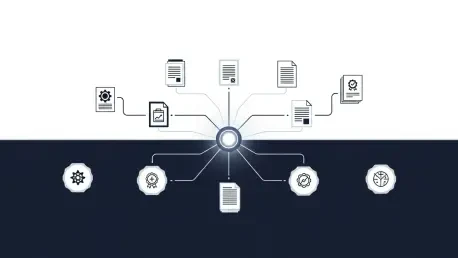
Modern business decision-makers are no longer scanning dozens of web pages to find solutions; instead, they are querying sophisticated algorithms that distill vast amounts of data into a single, authoritative recommendation. The traditional linear funnel has been replaced by an automated filter