
The landscape of professional sports sponsorship is undergoing a radical metamorphosis as corporations transition from being passive logo displays to becoming integral architects of the fan experience. The strategic partnership between PepsiCo and Formula 1, which currently spans from 2026 to 2030, serves as the definitive case study for this evolution, moving far beyond the archaic model of “prestige branding.” While previous eras of marketing focused on the simple visibility of a brand during a television broadcast, this modern collaboration reimagines the world’s premier racing series as a multi-layered infrastructure for global expansion. By embedding its diverse portfolio into the very fabric of the sport, PepsiCo has established a blueprint for how a multinational conglomerate can scale individual product identities simultaneously without diluting their unique market positions. This approach treats the high-speed world of grand prix racing not just as a sporting competition, but as a holistic lifestyle platform that captures the attention of a massive, digitally connected audience across every continent.
Formula 1 operates as a “traveling culture engine,” a unique entity that migrates across twenty-one countries while maintaining a consistent set of rituals, consumption habits, and fan expectations. PepsiCo’s leadership recognized early on that a race weekend is not merely a two-hour event on a Sunday; it is an expansive ecosystem comprising days of digital buildup, trackside fan zones, and communal social experiences. This realization led to the mapping of specific brands to distinct “fan moments,” ensuring that the presence of the company’s products feels like a natural extension of the weekend rather than an intrusive advertisement. Whether it is the intense focus required during a qualifying session or the celebratory atmosphere of a post-race gathering, the multi-brand strategy ensures that a PepsiCo product is always within reach, physically and emotionally. This integration into the sport’s infrastructure allows the company to bypass the traditional noise of the advertising market, building a direct and authentic connection with a loyal global fanbase that spans generations and geographies.
A Targeted Multi-Brand Architecture
Precision Marketing Through Brand Alignment
The deployment of Sting Energy within the Formula 1 framework is a masterclass in using global platforms to accelerate the growth of a specific, high-potential brand. By securing the title of the “Official Energy Drink of Formula 1,” PepsiCo has provided Sting with an immediate injection of global legitimacy, particularly in emerging markets where the brand is seeing its fastest expansion. This strategy deliberately avoids the slow-burn approach of localized awareness campaigns, opting instead for a high-octane association with the speed, technical precision, and sensory intensity of the sport. A defining characteristic of this activation is the emphasis on “sonic branding,” where collaborations with world-renowned artists like Armin van Buuren have been used to link the iconic roar of F1 engines directly to the brand’s identity. This auditory connection allows Sting to penetrate youth culture through music and sensory experiences, making the brand feel like a pulse-pounding participant in the event rather than just a beverage option in the cooler.
Furthermore, the integration of Sting Energy leverages the specific psychology of the Formula 1 fan, who often equates the sport with peak performance and high-stakes excitement. The marketing narrative focuses on the energy required to sustain focus in high-pressure environments, mirroring the demands placed on the technical teams and drivers. By positioning Sting as the fuel for this intensity, the company creates a cognitive bridge between the product and the elite nature of the sport. This alignment is further reinforced through immersive trackside activations where fans can experience the “sound of speed” in specialized acoustic environments, effectively turning a liquid product into a multisensory brand experience. The result is a highly effective market entry strategy that uses the prestige of Formula 1 to elevate Sting Energy from a regional player to a globally recognized brand that resonates with a demographic that values intensity and modern lifestyle trends.
Performance Science and Social Spectacle
Gatorade serves as the partnership’s anchor for athletic rigor, focusing on the technical and physical demands of motorsport to maintain its reputation as a leader in sports science. As the official sports drink, its strategy is heavily concentrated on the “F1 Sprint” weekends, where the compressed timelines and high-stakes racing demand peak physical and mental endurance from everyone involved. This positioning is critical because it moves Gatorade away from the “lifestyle” category and firmly back into “performance,” demonstrating that the same hydration principles used by basketball or football stars are essential for a driver enduring five G-forces in a cockpit. By being visible in the hands of pit crews and drivers during these most intense segments of the race weekend, Gatorade reinforces its legacy of fueling elite performance under the most extreme conditions imaginable. This technical credibility is not just for show; it is a calculated effort to remain the gold standard in a market increasingly crowded by specialized functional beverages.
While Gatorade handles the performance aspect, Doritos focuses on the social and culinary spectacle that defines the fan experience away from the actual asphalt. As the “Official Savory Snack Partner,” the brand targets the communal rituals of racing, recognizing that millions of fans watch the events in groups, whether at the circuit or in their own living rooms. To capitalize on this, the brand has introduced race-themed innovations such as “Doritos Loaded” at circuit venues and limited-edition flavors like “Turbo Heat” that mirror the physical sensations of the track. These products transform snacking from a passive activity into an active part of the race-day ritual, aligning the bold flavors of the brand with the high-energy atmosphere of the grand prix. This two-pronged approach ensures that PepsiCo covers the entire spectrum of the fan journey, from the scientific necessity of hydration for the participants to the celebratory indulgence of the spectators, creating a comprehensive brand presence that leaves no part of the weekend untouched.
Seamless Integration and Digital Validation
From Trackside Engagement to Retail Dominance
The transition from high-visibility trackside branding to tangible retail results is the most critical metric of the partnership’s success, and it is achieved through a meticulously designed “continuous loop” of engagement. At the physical race venues, PepsiCo utilizes massive fan zones that serve as interactive hubs, featuring high-fidelity driving simulators and branded hospitality suites that turn casual spectators into active brand participants. These physical touchpoints are not isolated events; they are designed to be the starting point of a consumer journey that follows the fan back to their local environment. By integrating these experiences with global retail promotions, such as co-branded packaging and point-of-sale displays in grocery stores, the company ensures that the excitement generated at the track translates directly into increased sales. This strategy turns the global spectacle of Formula 1 into a localized retail engine, making the sport relevant to consumers who may never have the opportunity to attend a grand prix in person.
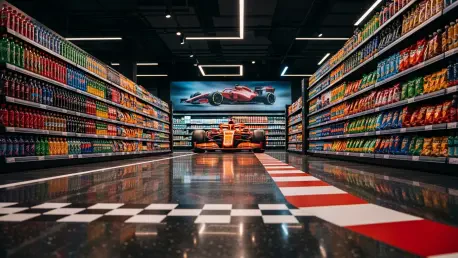
Moreover, the retail strategy is reinforced by a sophisticated use of data and localized marketing that tailors the F1 theme to specific regional preferences. For instance, in markets where the sport’s popularity is surging, such as North America and parts of Asia, the retail displays are more immersive, often featuring life-sized car replicas or interactive digital elements. This creates a sense of “event retail” that breaks the monotony of the standard shopping experience and encourages impulse purchases driven by the prestige of the partnership. The digital component of this retail push involves mobile applications and QR codes on packaging that unlock exclusive F1 content or entry into sweepstakes for race tickets. This integration ensures that every bag of Doritos or bottle of Gatorade sold is a gateway to a larger brand ecosystem, maintaining a high level of consumer engagement long after the checkered flag has dropped.
Digital Footprints and Organic Social Validation
While the physical presence at the track provides a foundation, the true global reach of the partnership is amplified through a digital and broadcast strategy that transcends time zones and language barriers. PepsiCo ensures that its brands are woven into the digital fabric of the sport, appearing on interview backdrops, social media highlights, and virtual trackside signage that is visible only to specific broadcast regions. This high-frequency visibility ensures that the brand remains top-of-mind for the hundreds of millions of viewers who consume the sport primarily through screens. However, the most significant digital impact has come from organic validation on social media platforms like TikTok and Instagram, where fans and creators have taken it upon themselves to “decode” the partnership. This bottom-up engagement is often more valuable than official corporate communications because it carries the weight of authenticity, as fans explain the logic of the deals and share their own experiences with the products in the context of the race weekend.
This organic engagement has manifested in several creative ways, such as fans documenting their “treasure hunts” for limited-edition F1-themed packaging or debating the sensory merits of the “sonic branding” initiatives. When fans start creating content around a sponsorship, it indicates that the brand has successfully transitioned from being a sponsor to being a part of the culture. For example, the curiosity surrounding Sting Energy’s association with engine sounds led to a wave of user-generated videos where fans compared the “roar” of different car manufacturers to the brand’s audio identity. Similarly, Gatorade’s presence in the F1 Sprint format has sparked discussions among fitness influencers about the physical demands of motorsport, further legitimizing the brand’s performance claims. By fostering an environment where fans feel compelled to interact with the brand narrative, PepsiCo has achieved a level of cultural immersion that traditional television commercials simply cannot replicate, ensuring that the partnership remains a vibrant topic of conversation throughout the entire racing season.
Strategic Synthesis and Future Implementation
Redefining the Future of Sports Sponsorship
The success of PepsiCo’s involvement with Formula 1 highlights a fundamental shift in how large-scale corporate entities must approach sports marketing to remain relevant. The strategy proves that “format intelligence”—the ability to match specific sub-brands to specific segments of an event—is far more effective than a monolithic corporate presence. By treating the sponsorship as a flexible infrastructure, the company has managed to promote three distinct product lines without creating consumer confusion or internal competition. This nuanced approach allows each brand to speak to its target demographic in a language they understand, whether that language is the science of athletic performance, the intensity of youth music culture, or the social joy of shared snacking. This modularity is the future of global marketing, providing a framework for how diverse portfolios can navigate the complexities of international sports without losing their local appeal or brand integrity.
Looking ahead, the partnership serves as a definitive template for the next generation of global agreements, where the focus will increasingly be on contributing tangible value to the consumer experience. Marketers can learn from PepsiCo’s refusal to treat the sport like a giant billboard, instead choosing to innovate within the culinary and sensory spaces of the event. The move toward “experiential assets,” such as exclusive race-day flavors and sonic identities, suggests that the most successful brands of the future will be those that find ways to make themselves indispensable to the fan’s ritual. As Formula 1 continues its global expansion into new markets, this resilient partnership is poised to evolve, using every technological and cultural shift as an opportunity to deepen its integration. Ultimately, the collaboration demonstrates that when a company stops merely “buying space” and starts “building systems,” it can transform a sport into a permanent growth engine that drives both cultural relevance and significant retail impact.
Actionable Insights for Global Market Leaders
For organizations looking to replicate this level of success, the primary takeaway is the necessity of deep integration and the abandonment of superficial branding. The current partnership between PepsiCo and Formula 1 shows that effectiveness is measured by how well a brand can insert itself into the “infrastructure of enjoyment” that surrounds a major event. This requires a long-term commitment to understanding the specific behaviors of the audience and a willingness to tailor products to those behaviors. Moving forward, companies should prioritize deals that allow for multi-brand activation, as this maximizes the return on investment and provides multiple points of entry into the consumer’s life. Furthermore, the use of digital validation through organic social channels should be a primary goal from the outset, rather than an afterthought, as this is where the most significant cultural capital is built in the modern age.
The final phase of this strategy involves a relentless focus on the “continuous loop” between the event and the point of sale. No sponsorship should exist in a vacuum; every dollar spent at the track must be designed to drive a dollar spent at the retail level. This is achieved through seamless cross-promotion, localized retail events, and the use of technology to bridge the gap between the stadium and the store. As we move further into this era of integrated marketing, the brands that succeed will be those that view themselves as participants in the story rather than just funders of the production. By becoming an essential part of the Formula 1 narrative through hydration, flavor, and sound, PepsiCo has not only secured its place in the world of racing but has also set a high standard for how global brands should interact with the passions of their consumers. The path forward involves a constant evolution of these tactics, ensuring that the partnership remains as dynamic and fast-moving as the sport itself.