
Milena Traikovich is a seasoned expert in demand generation and influencer marketing, specializing in turning social media interactions into high-quality leads. With a deep background in performance optimization and analytics, she helps brands navigate the complexities of digital storytelling to ensure every campaign delivers measurable growth. In this conversation, we explore the strategic nuances of Instagram’s various formats—from the discovery power of Reels to the conversion urgency of Stories—and how businesses can align these tools with their broader marketing objectives to build lasting authority.
Feed posts often serve as a permanent authority layer on a creator’s grid. How do you balance the need for high-quality storytelling with the fact that these posts drive fewer direct conversions? What specific elements help an educational carousel maintain its value and “save” rate over time?
We look at Feed posts as the foundation of brand positioning and long-term discoverability. While they might not trigger the immediate “swipe-up” reflex that Stories do, they provide the perceived credibility a customer needs before making a purchase decision. To maintain a high “save” rate, an educational carousel must offer utility that rewards the user for coming back, such as deep-dive product insights or step-by-step guides. We find that when a post is structured as a “product deep dive,” it shifts the metric from a fleeting like to a long-term save, which is a much stronger signal of engagement depth. By focusing on storytelling that establishes authority, we ensure the creator’s grid becomes a permanent resource for the audience rather than just a temporary advertisement.
Since Stories disappear after 24 hours, they are frequently used as “conversion accelerators” via link stickers. What is your process for timing these posts to maximize click-through rates? How can brands best reconcile the fragmented data that comes from such short-lived, high-urgency content?
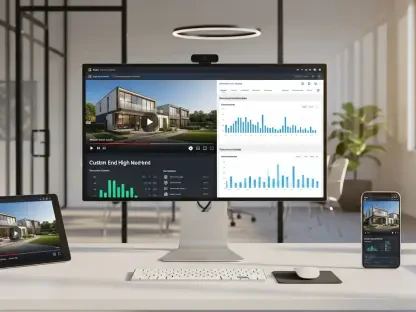
The beauty of Stories lies in their ability to create a frictionless pathway to landing pages through link stickers and interactive polls. Because they disappear after 24 hours, timing is everything; we generally align these posts with peak audience activity or limited-time offers to capitalize on that sense of urgency. The challenge of fragmented data is real, as the short performance window can make it difficult to see the full picture. To solve this, we rely on centralized reporting infrastructure to consolidate reach, link clicks, and completion rates in real-time. This prevents the loss of valuable insights once the content expires and allows us to hold the influencer campaign accountable for direct-response results.
Reels are currently the primary engine for discovery and reaching non-followers. When a campaign aims for viral reach, which metrics should be prioritized beyond simple “plays” to ensure audience quality? How do you practically distinguish between organic discovery and the impact of paid amplification?
While “plays” are the most visible metric for Reels, we prioritize follower growth and shares to gauge whether the content is actually resonating with a high-quality audience. A Reel that goes viral but fails to drive new followers or shares is often just hitting the “wrong” side of the algorithm. To distinguish between organic discovery and paid impact, we look closely at the ratio of non-follower exposure compared to the reach generated by paid boosts. This distinction is vital for campaign accountability, as it tells us if the creative itself had the cultural momentum to spread on its own or if it required a financial push to get off the ground. By layering these metrics, we can see if the Reel truly served as a top-of-funnel discovery engine.
Instagram Lives prioritize engagement intensity and community depth over broad reach. In what specific scenarios should a brand choose a real-time Q&A or behind-the-scenes session over a high-production Reel? What are the key indicators that a Live session has successfully influenced high-intent viewers?
A brand should opt for a Live session when the goal is community activation or a high-stakes product launch that requires real-time interaction. Unlike a high-production Reel, which is built for scale and discovery, a Live session is about depth; it provides exclusive behind-the-scenes access that builds a sense of intimacy with the audience. We measure success here through peak concurrent viewers and average watch time, which are direct indicators of how captivated the audience is. If a viewer stays for a 15-minute Q&A, they are a high-intent lead, and their comments and interaction volume offer a much richer data set than a simple view count. This format is our go-to for moving a warm audience toward a final conversion.
Comparing a Reel’s reach to a Story’s click-through rate often leads to “format bias” in reporting. How can marketing teams normalize these different signals into a single, coherent dashboard? What steps ensure that engagement depth is valued as highly as top-of-funnel discovery?
Normalizing data across formats requires a shift in perspective where we treat reach, engagement, and conversion as different stages of a single journey rather than competing stats. We use unified reporting dashboards to prevent “format bias,” ensuring that a Reel’s massive reach isn’t unfairly compared to a Story’s high click-through rate. The first step is to weigh metrics based on the specific campaign objective; for example, if the goal is awareness, discovery signals from Reels are prioritized. By using platforms that consolidate these diverse signals, we can ensure that a Feed post’s engagement depth is given equal weight to the broad exposure of a Reel. This evidence-based approach moves us away from assumptions and toward a more accurate interpretation of how each post type contributes to the bottom line.
The most effective campaigns orchestrate multiple formats simultaneously rather than relying on one. How do you map a product launch across Feed, Stories, and Reels to ensure a cohesive narrative? Could you provide a step-by-step example of how these formats should overlap during a campaign’s peak week?
A successful launch week requires a coordinated “symphony” of formats where each plays a specific role in the funnel. We typically start the peak week with a Reel to maximize top-of-funnel discovery and reach new segments of the audience. Mid-week, we introduce Feed posts—specifically educational carousels or product deep dives—to build authority and provide the necessary details for high-intent buyers. To drive the actual sales, we flood Stories with link stickers and limited-time offers, creating the urgency needed for conversion. Finally, we might host an Instagram Live for a Q&A session to clear up any last-minute hesitations, ensuring that the narrative remains cohesive from the first viral impression to the final click.
What is your forecast for Instagram influencer marketing?
I believe we are moving toward a future where “format orchestration” will be the standard, moving away from the idea that one single post can do it all. We will see brands becoming much more surgical, using Reels purely for discovery and Stories exclusively for conversion, while using centralized data to prove the ROI of each. As the algorithm continues to prioritize different formats at different times, the most successful influencers will be those who can seamlessly bridge the gap between high-production entertainment and real-time community interaction. Ultimately, the brands that win will be the ones that stop treating Instagram as a single channel and start treating its four formats as a multi-stage sales funnel.