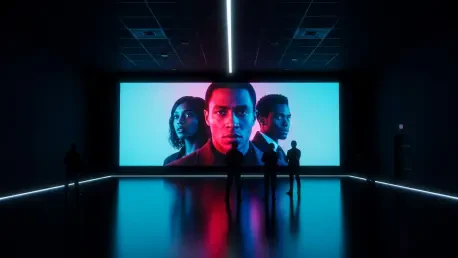

Milena Traikovich stands at the forefront of modern demand generation, specializing in the intersection of audience analytics and high-impact performance optimization. With a career dedicated to helping businesses transform passive viewers into high-quality leads, she has mastered the art of identifying emerging consumer behaviors before they become mainstream trends. As the entertainment landscape shifts toward hybrid models of consumption, Milena provides a unique perspective on why major streaming platforms are suddenly eager to trade the comfort of the living room for the communal energy of the cinema. Her expertise lies in understanding the “why” behind the data, particularly how shared emotional experiences can be leveraged to sustain brand energy and drive measurable engagement.
This interview explores the strategic pivot of streaming giants like Peacock, Netflix, and Prime Video as they embrace limited theatrical screenings for their most popular reality and scripted franchises. We delve into the psychological demand for shared viewing experiences, the logistical advantages of partnerships with platforms like Fandango, and the significant revenue opportunities that exist beyond the subscription model. Milena also analyzes how specific “tentpole” moments, such as the infamous Casa Amor twist, serve as the perfect catalyst for these large-scale activations, ultimately blending the convenience of digital access with the undeniable pull of physical connection.
How has the demand for shared viewing experiences reshaped the way streaming platforms approach their most popular reality TV releases?
The entertainment industry essentially received a “text” that it couldn’t ignore: the era of purely isolated consumption is evolving into something much more communal and interactive. We are seeing a fascinating shift where theatrical screenings are the “hot new bombshell” entering the scene, specifically designed to mimic the high-stakes release strategies of massive scripted hits. For a franchise like Love Island USA, the decision to bring the Casa Amor episode to the big screen on June 22 was a direct response to organic fan behavior. Fans were already gathering on rooftops, pool decks, and even in basement couches to experience the drama together, proving that the digital-only model wasn’t satisfying their need for collective reaction. By moving into 28 theaters nationwide, the platform is not just showing a show; it is facilitating a cultural event where the gasps, betrayals, and viral social media moments are amplified by the presence of a live crowd.
What specific business advantages do these limited theatrical events offer to both the streaming platforms and the traditional cinema chains?
This is a classic win-win partnership that leverages the massive scale of moviegoer networks like Fandango to bridge the gap between digital content and physical attendance. For theaters, bringing in alternative programming like Love Island USA or The Boys creates a vital stream of revenue and foot traffic outside of the traditional blockbuster film cycle. We saw a staggering example of this with the Stranger Things finale in December 2025, where the partnership with AMC Theaters drew more than 753,000 attendees and generated over $15 million in food and beverage sales in just a two-day window. For the streaming platforms, these events serve as high-octane marketing engines that generate massive buzz and keep a franchise’s energy high, even when audiences have the option to watch at home. The ability to roll these out quickly, even within the show’s notoriously accelerated production timeline, allows Peacock to capitalize on peak interest without the long lead times usually required for theatrical distribution.
Why is the mid-season “Casa Amor” twist considered the perfect catalyst for this first-of-its-kind theatrical experiment in the reality genre?
Casa Amor is the signature mid-season twist that functions as the emotional heart and the primary “can’t miss” moment for the entire franchise. Last season, NBCUniversal reported that the Casa Amor episodes represented the franchise’s most-watched days to date, largely because the stakes are so high for the islanders involved. When you have a scenario where established couples are split into separate villas and introduced to new romantic prospects, it creates a powder keg of potential betrayals and dramatic recouplings. This type of high-stakes tension is exactly what audiences want to experience with others, as it fuels immediate social media discourse and visceral reactions that are far more satisfying in a room full of fellow fans. By elevating something that fans were already doing organically and putting it on the big screen, the brand is able to turn a standard viewing night into a premium activation that solidifies fan loyalty.
Looking at successful theatrical runs for shows like The Boys and Stranger Things, what can reality franchises learn about creating an “immersive” experience for their audiences?
The precedent set by scripted shows has shown us that audiences are willing to pay for an experience that they simply cannot replicate in their living rooms, even if the content is available on their phones. For instance, in May 2026, The Boys utilized 4DX theaters to offer motion-enabled seating and sensory effects for its series finale, which transformed the viewing into a physical event rather than a passive one. While reality TV might not use motion-sensing seats yet, the lesson here is that tentpole releases generate a specific demand for collective connection that transcends the genre of the content. Whether it is the shock of a series finale or the betrayal of a recoupling, the “theatrical” aspect comes from the shared sensory experience of a dark room, high-quality audio, and the collective energy of hundreds of people reacting simultaneously. We are learning that convenience and connection are not mutually exclusive; people value the ease of streaming, but they will actively seek out physical spaces for the moments that truly matter to them.
What is your forecast for the future of hybrid theatrical-streaming releases?
I anticipate that we will see a permanent shift where “eventized” viewing becomes a standard component of any major streaming rollout strategy, moving far beyond just the occasional experiment. As platforms continue to battle for attention in a crowded market, the data from these 28-theater pilots and the massive $15 million concession successes will lead to more frequent, localized screenings for mid-season finales and premiere episodes. We will likely see theaters designated as “fan hubs” where recurring watch parties are hosted throughout a season, turning a one-night-only event into a sustainable revenue stream for cinema owners. Ultimately, the successful brands will be those that treat their content not just as a file to be streamed, but as a live experience that can be monetized and shared across both digital and physical landscapes. This hybrid model will become the new gold standard for sustaining energy around a franchise and deepening the emotional investment of the most dedicated fans.