
The Great Social Migration: Why the Digital Town Square Is Relocating
By 2026, the digital landscape looks profoundly different than it did just a few years ago. The monolithic reign of Facebook as the internet’s default social hub has given way to a vibrant, fragmented, and highly specialized ecosystem of alternatives. This isn’t just a fleeting trend; it’s a fundamental cultural migration driven by a collective desire for something more. Users are consciously moving away from a platform many now see as exploitative and manipulative, seeking digital spaces that prioritize privacy, user control, and genuine connection. This article explores the forces behind this mass exodus and charts a course through the best Facebook alternatives available today, highlighting a future where your social network is a deliberate choice, not a default.
The Cracks in the Monolith: Understanding the Exodus from Centralized Social Media
To understand where we are in 2026, we must look at why millions of users grew disenchanted with the established social media paradigm. This shift wasn’t sudden; it was the culmination of years of growing unease rooted in the core business model of platforms like Facebook. The primary catalysts for this movement can be traced to a deep-seated weariness with a system that often worked against the user’s best interests. Widespread concerns over data privacy, algorithmic manipulation, and a decline in authentic interaction created a perfect storm, paving the way for a new generation of social networks built on a different set of values.
Charting a New Course: A Guide to the Thriving Alternatives
Reclaiming Privacy: The Rise of the ‘Anti-Facebook’
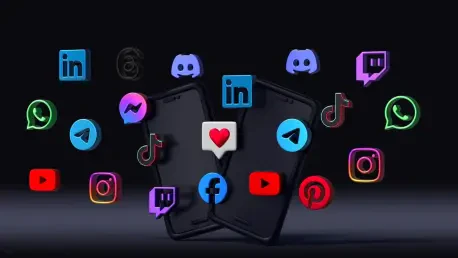
For many users, the ideal alternative is simply a version of Facebook that respects them. This category is led by platforms that offer a familiar social networking experience but are built on an ethical foundation of privacy and user control. MeWe stands out as the most direct “anti-Facebook,” providing a clean, intuitive interface with profiles, groups, and events, but with a strict “Privacy Bill of Rights.” It has a zero-tolerance policy for ads, spyware, and algorithmic manipulation; your feed is purely chronological, showing you what you asked to see, in the order it was posted. Similarly, Vero, which markets itself as “True Social,” operates on a subscription-based, ad-free model. It empowers users with granular audience controls—letting them share posts with specific circles like “Close Friends” or “Acquaintances”—and has become a haven for artists, photographers, and creatives who value its visually elegant design and commitment to an unaltered chronological feed.
Power to the People: Exploring the Decentralized Frontier
Moving beyond simply changing the business model, another class of alternatives seeks to fundamentally rebuild the architecture of social media. These decentralized platforms place power directly into the hands of users and communities, making them immune to the whims of a single corporation. Mastodon is the flagship of this movement. It isn’t one website but a federated network of thousands of independent communities (called “instances”), each with its own rules and focus, all connected through a shared protocol known as the Fediverse. This structure ensures no single entity can control the network. Likewise, early pioneers like Diaspora* continue to thrive on a similar model of community-run “pods.” More recently, Bluesky has made decentralization more accessible with its user-friendly interface and the “AT Protocol,” which allows for a portable identity, meaning you can switch providers without losing your data or followers. These platforms represent a radical shift toward a more democratic, resilient, and user-owned social web.
Finding Your Niche: The Power of Community-Driven Hubs and Hybrids
The final piece of the puzzle is the move away from a single, catch-all platform toward a collection of specialized communities. Reddit, long known as “the front page of the internet,” has solidified its role as a premier destination for deep, topic-focused discussions in its countless “subreddits.” It’s where people go to talk about things rather than just at people. Messaging apps like Telegram have also evolved into powerful social tools, with massive channels and groups serving as vibrant forums. At the same time, hybrid models are pushing the envelope. Minds rewards creators with cryptocurrency tokens for engagement, creating a transparent value exchange. Hive Social appeals to a younger, creative audience with a nostalgic blend of MySpace-era customization and a chronological feed. And in a fascinating twist, Threads, Meta’s own alternative, is bridging the gap by integrating with the Fediverse, allowing its massive user base to interact with the decentralized web and signaling a major shift in the industry.
The Future Is Federated: Interoperability and the ‘Unbundling’ of Social Media
Looking ahead, the most significant trend shaping the social web is interoperability. The walled gardens of the past are slowly being dismantled in favor of open protocols that allow different platforms to communicate with one another, much like email. The decision by a major player like Threads to connect with the Fediverse is a landmark moment, legitimizing the decentralized model and pointing toward a future where users can interact across networks seamlessly. This will accelerate the “unbundling” of social media, where instead of one platform trying to do everything, users will curate their own suite of specialized tools for different types of interaction. Your digital social life will no longer be confined to a single app but will exist across an interconnected ecosystem of services you choose.
Finding Your Digital Home: A Practical Guide to Making the Switch
The sheer number of options can be overwhelming, but the key takeaway is that you now have a choice. The best platform for you depends entirely on your priorities. To simplify the decision, consider this:
- For a Facebook-like experience without the surveillance: Choose MeWe or Vero. They offer familiar features with a strong commitment to privacy and a chronological feed.
- For ultimate control and a censorship-resistant environment: Explore the decentralized world of Mastodon or Bluesky. Be prepared for a slight learning curve, but the freedom is unparalleled.
- For deep, interest-based community discussions: Dive into Reddit for its topic-specific forums or join large community groups on Telegram.
- For a modern, text-based experience with a massive network: Threads is a strong contender, especially as it continues to integrate with the broader open web.
A New Era of Conscious Connection
The migration away from Facebook marks the end of an era and the dawn of a new one. The social media landscape of 2026 is no longer defined by a single, dominant force but by a rich tapestry of platforms catering to diverse values and needs. This fragmentation is not a sign of failure but a resounding success for user empowerment. It has sparked competition, driven innovation, and forced the industry to become more user-centric. The most important change is a mental one: we are no longer passive users but active citizens of the digital world. The ultimate call to action is to consciously choose your community and invest your time in platforms that align with your values, helping to build a more thoughtful, private, and human-centric social web for everyone.