
With a rich background in analytics and performance optimization, Milena Traikovich has become a leading voice in helping businesses master lead generation. As our Demand Gen expert, she specializes in crafting campaigns that not only capture attention but nurture high-quality leads into loyal customers. Today, we’re exploring the dynamic world of Live Shopping, a field where she has demonstrated remarkable insight. This conversation will delve into the essentials of a successful video commerce strategy, from attracting an initial audience and creating must-buy urgency to maintaining engagement and repurposing content for long-term value.
Attracting an audience is the first major hurdle for any live event. Can you walk us through the ideal promotional timeline before going live, and explain how a multi-streaming strategy across a brand’s own website and social media specifically impacts viewership numbers and overall reach?
Absolutely, because if no one shows up, the best event in the world falls flat. The promotional phase is all about building anticipation, making your event unmissable. You can’t just post once and expect a crowd. Start announcing your event across all your channels—Facebook, Instagram, and especially your own website with prominent banners—at least a week in advance. Use compelling visuals and clear calls to action. In the days leading up to the event, you should ramp up with dedicated emails to your subscriber list, highlighting the exclusive offers they won’t want to miss. For maximum impact, consider multi-streaming. Instead of being confined to one platform, imagine broadcasting simultaneously to Facebook, Instagram, and your website. It’s a game-changer for reach. We saw a brand like Jysk captivate over 51,000 people in a single show by doing just this. You’re meeting customers where they are, making it effortless for them to tune in and dramatically expanding your potential audience.
Many brands believe they need professional TV hosts for video commerce. Could you discuss why an authentic, in-house product expert can often be more effective, and what types of exclusive, limited-time offers create the most urgency to drive sales during the live broadcast?
That’s one of the biggest misconceptions about Live Shopping. Brands get hung up on achieving a perfect, broadcast-TV feel and overlook what truly connects with audiences: authenticity. While a professional host can be polished, an in-house employee who genuinely knows and loves the products brings a level of passion and expertise that can’t be faked. They can answer nuanced questions on the spot and their confidence builds immediate trust. Viewers today crave that realness; they trust people more than logos. As for driving sales, it’s all about creating that “fear of missing out.” Limited-time discounts, available only during the live show, are incredibly powerful. Bundling complementary products at a special price also works wonders, as do exclusive giveaways. The key is to make the offer feel special and fleeting, giving viewers a compelling reason to stop scrolling and make a purchase right then and there.
A frictionless checkout process is critical for converting viewers into buyers. What specific operational hurdles do brands face using native social media checkouts, and how can interactive elements like live polls or Q&A sessions help maintain audience engagement and build trust throughout the event?
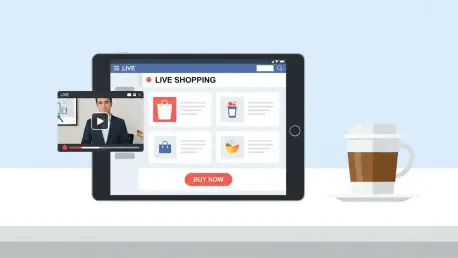
The checkout is where so many potential sales are lost. When you go live directly on platforms like Facebook or Instagram, the purchasing experience is often clunky. Viewers might have to leave the stream, or worse, you’re left with the massive headache of manually tracking orders from the comment section after the show. It’s an operational nightmare and creates friction for the customer. A dedicated Live Shopping platform solves this by integrating a seamless cart and checkout directly into the live experience. A customer can add a product to their cart and complete the purchase without ever leaving the stream. We saw this with Kattnakken, who increased their average basket size by a staggering 265% simply by making the process smoother. To keep viewers engaged while they shop, interactive elements are key. Running a live poll about their favorite color or using a Q&A to address their concerns in real-time makes them feel seen and heard. This direct interaction isn’t just entertainment; it builds a foundation of trust that makes them confident enough to click “buy.”
The value of a live event extends long after the broadcast ends. What are the most effective ways to repurpose a single Live Shopping recording into multiple content assets, and which key metrics, such as Average Order Value, should a brand analyze to improve future performance?
Thinking of a live event as a one-and-done broadcast is a huge missed opportunity. That recording is a goldmine of content. The most immediate step is to make the full recording available on your website for on-demand shopping, which extends your sales window indefinitely. From there, you can slice and dice it. Edit the most exciting moments into short, dynamic highlight reels for social media ads and stories. Isolate specific product demonstrations and place those clips on their corresponding product pages on your e-commerce site. You can even turn the Q&A segment into a helpful FAQ blog post. To ensure you’re getting better with each event, you must dive into the data. Look at your Average Order Value (AOV) to see if your bundles and offers are effective. Analyze which products were top-sellers to inform your next show’s lineup. This data-driven approach turns each event into a learning experience, allowing you to constantly refine your strategy and maximize your return.
What is your forecast for Live Shopping?
The forecast is incredibly strong; we’re moving past the “nice to try” phase and into an era where Live Shopping is a core component of modern commerce. The numbers speak for themselves. In the US alone, sales are projected to hit nearly $15 billion by 2025. Globally, the momentum is even more staggering, with some outlooks predicting the market outside of China could grow to around $2 trillion by 2030. This isn’t just a trend; it’s a fundamental shift in how consumers discover, connect with, and buy from brands. The opportunity for businesses is not just about short-term sales, but about building a capability in a format that’s shaping the future of retail. Those who invest in creating authentic, engaging, and seamless video commerce experiences now will be the ones who build lasting customer relationships and thrive in the years to come.