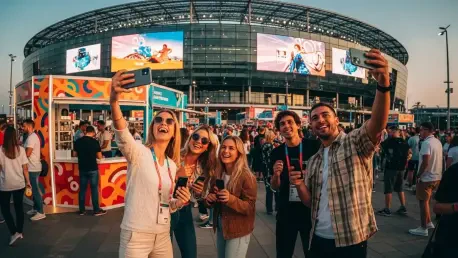

The traditional hierarchy of sports marketing is currently collapsing under the weight of digital agility and a new breed of consumer who values cultural relevance over multi-million-dollar contractual exclusivity. This paradigm shift is being vividly illustrated during the current World Cup cycle in North America, where the long-standing dominance of official partners is facing an unprecedented challenge from nimble, non-sponsored entities. As fans flock to stadiums across the United States, Canada, and Mexico, the battle for attention is no longer confined to the pitch or the perimeter boards but is instead being fought in the decentralized spaces of social media and real-time cultural commentary.
The 2026 World Cup has arrived as a massive catalyst for shifting branding paradigms across the continent and the wider global market. This tournament represents a pivotal moment where traditional advertising models are being tested by a more fragmented and digitally savvy audience. While host cities are awash in promotional activities, the real battle for visibility is occurring on mobile screens and through organic social interactions. This shift marks a departure from previous cycles where physical dominance in the host region was the primary metric of success, signaling a new era where digital presence outweighs physical proximity.
The Global Sports Marketing Landscape and the 2026 Competitive Arena
The financial scale of the current tournament is staggering, with advertising expenditures projected to reach approximately $10.5 billion. This concentration of capital within the host markets has created a high-stakes environment where every dollar spent must compete with a deluge of alternative content. Traditional FIFA partners, despite their massive investments, find themselves in a defensive position as they attempt to maintain their prestige against a wave of agile challengers. These challengers operate without the constraints of official guidelines, allowing them to pivot their messaging in response to real-time events on the field and in the stands.
Digital ecosystems and modern broadcast partnerships have further complicated the visibility landscape for official sponsors. In the lead-up to the opening matches, advertising spend in the North American market surged by double digits, yet engagement data suggests a widening gap between those who pay for access and those who earn attention. The influx of venture capital into sports-related technology has empowered smaller brands to utilize sophisticated data analytics to target specific fan demographics. This democratization of reach means that a well-timed viral post can often achieve the same visibility as a multi-million-dollar television spot during halftime.
Traditional partnerships are no longer the sole gatekeepers of global sports visibility, as the current tournament has demonstrated the power of the secondary market. While official sponsors provide the infrastructure and funding for the event, they often struggle with a perceived lack of authenticity compared to brands that interact with fans on a peer-to-peer level. This tension between corporate structure and organic interest is defining the commercial narrative of the year, forcing a reevaluation of what it means to be a successful brand in the context of a global sporting spectacle.
Strategic Shifts in Brand Deployment and Audience Resonance
The Rise of Reactive Marketing and Peer-to-Peer Cultural Influence
Modern consumer behaviors are increasingly favoring “rebellious” and culturally relevant narratives that feel distinct from traditional corporate messaging. This trend has allowed non-sponsors to bypass traditional sponsorship frameworks by leveraging social media agility to achieve massive organic reach. These brands are not just selling products; they are inserting themselves into the cultural conversation by adopting the language and humor of the fans. This approach creates a sense of shared identity that is difficult for larger, more bureaucratic sponsors to replicate without appearing forced or out of touch with the current moment.
The “American Novelty” factor has also played a significant role in how local brands leverage discovery content for global exposure. As international travelers document their experiences with regional staples and unique local flavors, these brands gain significant traction without a formal marketing campaign. This organic discovery is highly valued by younger demographics who prefer to feel as though they are uncovering something authentic rather than being targeted by a polished advertisement. By leaning into these natural moments of human connection, brands can build long-term loyalty that persists long after the final whistle has blown.
Evaluating the Economic Efficiency of Contemporary Advertising Models
Comparative data highlights a significant engagement gap between official sponsors and non-sponsored creative campaigns during the current tournament. While official partners often achieve higher total impressions through broad-reach media, non-sponsors frequently see higher rates of interaction and sentiment positivity. This surge in return on investment for non-sponsored content is driven by the ability to take creative risks that official guidelines would typically prohibit. The result is a more dynamic advertising environment where the most creative and responsive brands are rewarded with the highest levels of audience engagement.
Performance indicators from the ongoing tournament show a remarkable surge in advertising efficiency for those who prioritize digital platforms over traditional stadium signage. Forward-looking projections suggest that the scalability of long-form, celebrity-driven content is far outpacing the growth of traditional broadcast spots. Brands that utilize high-profile influencers to create genuine, narrative-driven content are seeing a much longer shelf life for their campaigns. This shift indicates that the future of marketing success lies in the ability to sustain a conversation with the audience rather than simply interrupting their viewing experience with a logo.
Navigating Contractual Barriers Through Creative Resilience and Ambush Tactics
The complexities of exclusivity rights have forced non-sponsors to develop creative resilience in the face of rigid stadium regulations. When logos are shrouded or physical presence is restricted, these brands have turned regulatory setbacks into viral marketing opportunities. By acknowledging the limitations placed upon them, brands can position themselves as the “underdogs” of the branding war, a tactic that resonates with fans who are often skeptical of over-commercialization. This psychological advantage allows non-sponsors to align themselves with fan sentiment, creating a bond based on shared frustration with corporate bureaucracy.
Converting these barriers into opportunities requires a deep understanding of the digital landscape and a willingness to act quickly. Tactics like real-time social media responses to stadium events or clever “ambush” placements just outside of official zones have proven highly effective. These strategies provide visibility without the multi-million-dollar entry fee required for an official partnership, making them an attractive option for brands seeking high impact with a more targeted budget. The success of these creative workarounds suggests that the physical limitations of the stadium are increasingly irrelevant in a world where the primary fan experience is mediated through a smartphone.
The Impact of FIFA Regulatory Mandates on Commercial Expression
A detailed look at the legal landscape surrounding international soccer reveals a strict set of standards governing intellectual property and brand protection. Compliance with these mandates is a double-edged sword for official partners; while it grants them exclusivity, it also ties them to a rigid and often clinical commercial persona. This strictness can hinder the perceived authenticity of the sporting experience, as fans grow weary of heavily controlled environments that prioritize corporate interests over the natural flow of the game. The commercialized breaks and mandatory branding sessions can sometimes feel intrusive, leading to a negative association with the official sponsors involved.
Security measures and stadium branding restrictions have a profound influence on the tactical choices of secondary market players who must find ways to be seen without violating the law. This pressure has fostered an environment of innovation where brands are finding subtle but powerful ways to remain relevant. For example, focusing on the fan journey before and after the match allows brands to capture attention in areas where FIFA mandates do not apply. This strategic avoidance of high-conflict zones enables brands to maintain a presence that feels more natural and less forced, further enhancing their appeal to the modern spectator.
Anticipating the Next Evolution in Spectator Branding and Consumer Habits
Insights into the “ad-radar” of younger demographics suggest a continuing shift toward human connection and away from traditional sales pitches. The decentralization of media coverage means that fans are getting their information and entertainment from a wider variety of sources than ever before. Potential market disruptors, such as AI-generated content tailored to individual fan preferences, are likely to further fragment the advertising landscape. This evolution will require brands to move beyond a “one size fits all” approach and instead focus on creating personalized experiences that resonate on a deeper emotional level.
Future growth areas will likely center on real-time engagement and the monetization of the specific cultural moment. The influence of global economic conditions is also playing a role in the long-term viability of high-cost sponsorship packages, as brands look for more measurable and flexible ways to spend their marketing budgets. The ability to pivot quickly in response to shifting consumer habits will be the defining characteristic of the next generation of marketing leaders. As the tournament media coverage continues to evolve, the brands that can successfully bridge the gap between digital content and physical experience will be the ones that capture the most value.
Synthesizing the New Standard for Marketing Success in Global Tournaments
The 2026 World Cup demonstrated that the devaluation of traditional distribution channels favored brands that prioritized emotional resonance and cultural agility. Industry leaders realized that the path forward required a decentralization of marketing budgets, shifting away from massive, static commitments toward more fluid and platform-specific creative initiatives. The shift toward organic engagement proved that authentic storytelling was the most valuable currency, regardless of whether a brand held an official title or operated from the periphery.
Strategic recommendations for the future emphasized the necessity of a major reimagining of partnership programming to remain competitive in a digital-first world. The successful brands of the tournament were those that abandoned the safety of contractual exclusivity in favor of bold, interactive content that spoke directly to the fan experience. By the conclusion of the event, non-sponsors had effectively redefined the concept of “winning” the branding war, showing that influence was earned through relevance rather than purchased through exclusivity. This evolution established a new standard where the most impactful marketing was that which felt like an extension of the game itself rather than a commercial interruption.