
The massive physical expansion of the tournament across forty-eight teams and three host nations has fundamentally altered the way global audiences consume the world’s most popular sporting event. While legacy broadcasting networks continue to pay billions for the legal rights to air matches, the actual center of gravity for fan engagement has migrated toward decentralized digital platforms. This transition represents a departure from the monolithic television experience of previous decades, replacing a single narrative with a fragmented, multifaceted mosaic of viewpoints. Younger fans, in particular, are showing a marked preference for content that is interactive, immediate, and personality-driven rather than the clinical and often rigid analysis found in traditional television studios. This shift is not merely a change in platform but a fundamental change in the social fabric of fandom, where the communal experience of watching a game is now mediated through digital interactions that occur in real time across the globe.
The Evolution of Global Fan Engagement
Shifting From Gatekeepers to Individual Personalities
The traditional gatekeeper model of sports media, which once allowed a handful of executive producers to decide what stories were worth telling, has been systematically dismantled by the rise of the independent creator. Statistics from current digital consumption trends suggest that a vast majority of sports enthusiasts now rely on social media feeds to follow their favorite teams and players, often bypassing official pre-game shows entirely. In this new landscape, creators own the attention economy because they provide a level of accessibility that a corporate entity cannot match. These individuals are not just reporting on the tournament; they are curating a specific experience for their niche communities, effectively turning the World Cup into a collaborative event. The narrative is no longer controlled by a single voice behind a desk but is instead shaped by thousands of voices across YouTube, TikTok, and various streaming platforms that dominate daily internet usage in North America.
Authenticity and the Rise of Direct Interaction
Authenticity has become the primary currency in the modern sports media market, particularly as Gen Z audiences grow increasingly skeptical of high-budget corporate productions. Influencers such as IShowSpeed have successfully transformed the act of sports viewing into a highly participatory and visceral experience through live reactions that resonate with millions of viewers worldwide. Simultaneously, specialized digital journalists like Fabrizio Romano have redefined how sports news is broken, turning the transfer market and match results into a continuous digital drama that keeps fans engaged twenty-four hours a day. These creators offer a sense of intimacy and direct interaction that legacy media organizations struggle to replicate in a formal broadcast environment. By fostering deep trust and rapport with their followers, these individuals have accumulated a level of cultural authority that often exceeds the influence of established media brands, proving that personality is now the key.
Economic and Structural Media Shifts
The Impact of Creator-Led Sports Organizations
The emergence of digital-first organizations like the Kings League and the Baller League has provided a clear blueprint for the way tournament content is packaged and consumed in the current era. These leagues function more as creator-led media houses than traditional athletic associations, with every aspect of their operation designed to be “clip-able” and easily shared across social media algorithms. By focusing on high-speed engagement and gamified elements, these organizations have managed to capture the fleeting attention spans of an internet-native demographic that views the standard match format as too slow. This model highlights a future where sports entertainment is highly edited, frequently interrupted by interactive polls, and deeply integrated into the daily scrolling habits of global users. As a result, the way the world views a major tournament is becoming less about the full duration of a match and more about the viral moments that can be consumed in seconds on a mobile device.
Marketing Evolution and Influencer Partnerships
Advertising budgets are following this migration of attention, with major global brands rapidly moving their capital away from traditional thirty-second television spots in favor of direct influencer partnerships. Because younger consumers have developed an inherent resistance to standard commercial interruptions, companies are now betting on creator-led storytelling to build genuine brand loyalty during the tournament. By embedding products within the organic content of trusted influencers, sponsors are able to achieve a level of cultural relevance and engagement that a static billboard or a generic television ad could never offer. This transformation is forcing media agencies to rethink their entire strategy, moving from a broad-reach mindset to a targeted, community-centric approach. The success of a marketing campaign during this cycle is now measured not just by raw impressions, but by the depth of the conversation and the level of sentiment generated within specific digital tribes.
The North American Infrastructure Advantage
Utilizing Local Digital Hubs for Global Coverage
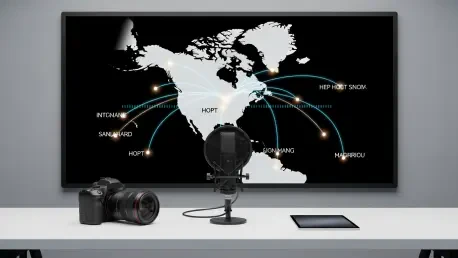
Hosting the current tournament across the United States, Canada, and Mexico has served as a powerful catalyst for this digital evolution due to the region’s status as a global hub for the creator economy. North America houses the primary headquarters and the largest talent pools for platforms like YouTube and Twitch, creating a unique environment where a major sporting event meets a sophisticated digital infrastructure. With thousands of professional creators already based in these host cities, the tournament is being documented, analyzed, and even satirized in real-time with an intensity that has never been seen before. This proximity allows for a level of rapid-fire content production that effectively decentralizes the media narrative, making it impossible for any single network to claim a monopoly on the event’s cultural impact. The presence of these creators ensures that every match result is accompanied by a tidal wave of local perspectives that spread globally within seconds.
Digital Legacies and Future Media Strategies
The 2026 World Cup demonstrated that while traditional broadcasters remained necessary for live match distribution, their long-standing cultural monopoly had reached a definitive end. The tournament functioned as a massive ecosystem of digital reactions where the physical game on the pitch served as the raw material for memes and community discussions. For organizations looking to thrive in this environment, the primary lesson was that a broadcast license alone was no longer sufficient to guarantee relevance in the eyes of the public. Success required a deep integration into internet culture and a willingness to collaborate with the creators who held the keys to the attention economy. Future sports media strategies must prioritize these creator partnerships to maintain a connection with the evolving fan base. Moving forward, stakeholders should invest in dedicated digital talent departments to bridge the gap between official footage and creator-led commentary, ensuring their brand remains a central part of the global sports conversation.