
The Shifting Sands of Digital Engagement
The digital marketing landscape is in a state of perpetual motion, but the changes on the horizon for 2026 feel less like incremental shifts and more like a seismic upheaval. The strategies that defined success in the early 2020s are already showing their age, and relying on them two years from now will be a recipe for irrelevance. This article dissects the fundamental transformations in technology, user behavior, and platform dynamics that will shape the next era of digital connection. We will explore how the deepening integration of immersive technologies, a growing tension between AI-driven content and authentic human interaction, and a fracturing of the social media ecosystem demand a radical rethinking of your marketing playbook. To survive and thrive, marketers must look beyond fleeting trends and prepare for a new digital reality.
From Social Networks to Entertainment Portals
To understand where we are going, we must first appreciate how we got here. The foundational purpose of social media has fundamentally changed. Platforms that began as digital spaces for connecting with friends and family have evolved into powerful, algorithmically-driven entertainment engines. The chronological feed based on “who you know” has been almost entirely supplanted by a discovery feed based on “what you like.” This shift, pioneered by TikTok and aggressively adopted by Meta and YouTube, transformed social media from a tool for social connection into a portal for passive content consumption. This pivot is the single most important factor shaping the current landscape, as it dictates what kind of content gets seen and redefines the very nature of user engagement, making the battle for fleeting attention more ferocious than ever.
Navigating the Triple Threat: AI, Saturation, and Immersive Tech
The AI Authenticity Paradox: Content Abundance vs. User Trust
The rise of generative AI has created a critical paradox for marketers. While it offers unprecedented efficiency in content creation, it is also flooding digital spaces with a torrent of synthetic media, or “AI slop.” By 2026, users will be increasingly wary of the content they see, leading to a “trust deficit.” As AI-generated fakes become indistinguishable from reality, the embarrassment of unknowingly sharing misinformation will foster deep-seated skepticism, causing people to share less and disengage. This erosion of trust is mirrored on platforms like Reddit, where a gold rush of brands attempting to influence conversations with promotional content is diluting its core value of genuine, community-driven discussion. The challenge for marketers is to navigate this environment by prioritizing authenticity and providing real value, lest their messages get lost in the noise of synthetic and inauthentic content.
The Immersive Leap: From Phone Screens to Augmented Reality
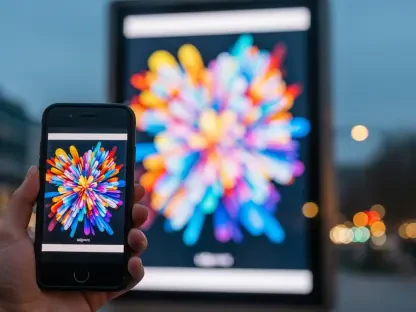
While users become more skeptical of the content on their screens, a new frontier for engagement is set to open up in the physical world. 2026 is projected to be the breakout year for consumer-grade Augmented Reality (AR) glasses, marking a paradigm shift from phone-based novelty to an “always-on” digital layer over our reality. Companies like Snap and Meta are poised to launch functional, socially acceptable devices that will unlock entirely new marketing channels. Imagine hyper-contextual advertisements that appear as a user looks at a product in a store, or interactive menus and reviews overlaid onto a restaurant’s facade. This transition to immersive computing offers a powerful way to cut through the digital clutter and provide contextual, valuable information at the precise moment of need, moving marketing from the feed into the real world.
The Platform Wars: A Great Fragmentation and a New Town Square
The central platforms that have dominated digital marketing are facing unprecedented disruption. The most significant shift is the ascendance of Threads, which is on a clear trajectory to overtake X (formerly Twitter) in monthly active users by 2026. As X struggles with brand safety concerns, Threads is successfully positioning itself as the new de facto public square for real-time information and conversation, particularly in key verticals like professional sports. Simultaneously, regulatory pressure aimed at restricting teen social media use is inadvertently fueling the rise of new, niche apps. As younger users are pushed off mainstream platforms, they will flock to alternative spaces, creating fertile ground for the next wave of social innovation. This great fragmentation requires marketers to adopt a more agile, portfolio-based approach to their platform strategy, monitoring both the battles between titans and the nascent ecosystems where future audiences will gather.
The Coming Tectonic Shifts in Platform Architecture
Beyond the content and the platforms themselves, the very architecture of our digital experience is poised for a dramatic change. The unwavering dominance of short-form video will be a foundational reality of 2026, solidifying its place as the primary format for attention and engagement. With Reels commanding over 50% of time spent on Instagram and YouTube Shorts generating over 200 billion daily views, this format is no longer a trend but the central pillar of the entertainment-first social web. However, a more disruptive change is brewing in response to growing public and regulatory scrutiny over the societal impact of engagement-based algorithms. This pressure, particularly from the EU, will likely force platforms like Facebook to test an algorithm-free, chronological feed option. Such a move would be a monumental shift, forcing marketers to unlearn a decade of “feeding the algorithm” and rediscover how to create content that earns attention without an algorithmic boost.
Future-Proofing Your Marketing Playbook
Surviving the seismic shifts of 2026 requires more than just awareness; it demands decisive action and strategic adaptation. The key takeaways from these converging trends point toward a playbook built on agility, authenticity, and audience ownership. Businesses must prioritize building internal capabilities and diversifying their approach to remain resilient.
- Invest in Video Fluency: Your team must move beyond simply repurposing ads and develop a deep, native understanding of short-form video. This means creating content that entertains, educates, and feels authentic to the fast-paced, sound-on culture of TikTok, Reels, and Shorts.
- Experiment with Immersive Technologies: The time to prepare for the AR-powered world is now. Begin by experimenting with accessible formats like AR Lenses on Snapchat or Instagram filters to build institutional knowledge. This will position you to be an early adopter when AR glasses become a mainstream channel.
- Prioritize First-Party Data and Community: As trust in social platforms erodes and algorithmic reach becomes less certain, your direct relationship with your audience is your most valuable asset. Invest in building email lists, loyalty programs, and owned community spaces like Discord to create a direct line of communication that you control.
- Adopt a Portfolio Approach to Platforms: Over-reliance on a single platform is a critical vulnerability. Actively manage a presence across a diverse portfolio: established giants for scale, rising contenders like Threads for new opportunities, and niche communities like Reddit for targeted, high-intent engagement.
Beyond Survival: Thriving in the New Digital Ecosystem
The path to 2026 is paved with both disruptive challenges and unprecedented opportunities. The marketing strategies that will succeed will be those that embrace the complexities of this new era rather than clinging to the certainties of the past. The core theme is clear: the future belongs to brands that can skillfully balance technological innovation with genuine human connection. The shifts toward immersive AR, the backlash against inauthentic AI, and the fragmentation of social platforms are not isolated trends but interconnected symptoms of a maturing digital world. Marketers should not simply aim to survive the changes ahead; they should see this as a moment to lead by building more authentic, valuable, and respectful relationships with their audiences. The ultimate question is not just whether your strategy will survive, but whether you are prepared to build one that will thrive.