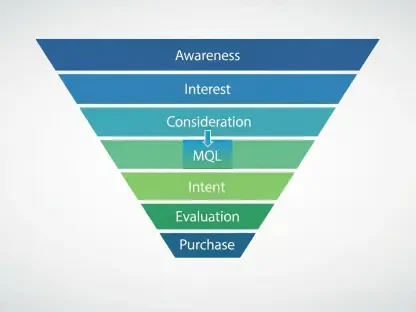

Generating leads in today’s hyper-competitive B2B market can be challenging, especially for small and medium-sized businesses. Unlike larger enterprises, smaller corporations often operate with tight budgets, limited tech stacks, less visibility, and lean teams. Organizations can overcome these

Many companies are stuck using outdated systems that just can’t keep up with today's demands. In fact, U.S. businesses spend about 75% of their IT budget on keeping old systems running. In the energy sector, utilities also contend with growing demand and the urgent need for decarbonization.

Most B2B buyers are not in the market at any moment. About 95% sit outside active evaluation, supplier comparison, or negotiation , so demand capture chases a tiny slice at the most expensive stage. The path to purchase repeats the same jobs (problem identification, solution exploration,

In B2B companies with complex sales processes, demand generation is an ongoing process, not a one-time project. Unlike fast-paced transactional markets, decisions in enterprise settings involve many stakeholders and take longer to make. The process is thorough and focused on long-term goals.
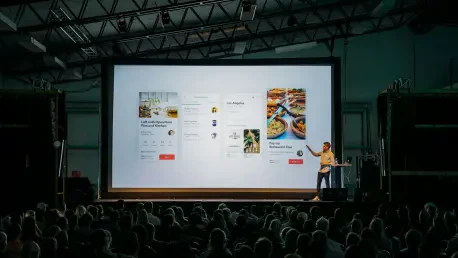
In today’s digital-first B2B landscape , events, whether they are virtual, hybrid, or in-person, remain among the most effective ways to generate leads and drive demand. Thanks to increasingly sophisticated platforms, running high-impact seminars has never been easier. But ease of execution doesn’t

B2B demand generation succeeds or stalls on one principle: every asset must match the buyer’s intent at the exact moment they experience it. Yet Content Marketing Institute’s 2025 outlook shows that large percentages of teams still publish without a documented mapping strategy, cutting conversion