
The most significant drain on a hotel’s profitability is rarely found on a balance sheet; it is the silent erosion caused by qualified leads who vanish due to slow, impersonal, or nonexistent follow-up. In an industry built on the art of hospitality, the gap between a potential guest’s initial inquiry and a confirmed booking represents a vast, untapped frontier for revenue and relationship building. The traditional approach of managing leads through fragmented spreadsheets and cluttered inboxes is no longer a viable strategy but a direct path to competitive irrelevance. Success in the modern era is not merely about providing an exceptional stay but about mastering the entire guest journey, transforming fleeting interest into unwavering loyalty through intelligent, proactive nurturing. This guide will explore the strategic shift from transactional encounters to continuous, data-driven relationships. It will outline the foundational technologies, actionable strategies, and cultural mindset required to turn lead nurturing into a hotel’s most powerful revenue engine.
Beyond the Welcome Mat: The New Competitive Edge in Hospitality
The fundamental model of hotel management is undergoing a profound transformation. Where success was once measured almost exclusively by heads in beds and the quality of the on-site experience, the new competitive landscape demands a much broader perspective. The paradigm is shifting from a purely transactional focus to a relational one, where the guest journey begins long before arrival and continues well after departure. This evolution is driven by a new generation of travelers who expect personalization, immediacy, and a sense of being understood at every touchpoint. Relying on a warm welcome alone is no longer enough to secure loyalty when competitors are engaging potential guests with timely, relevant communication from the very first moment of interest.
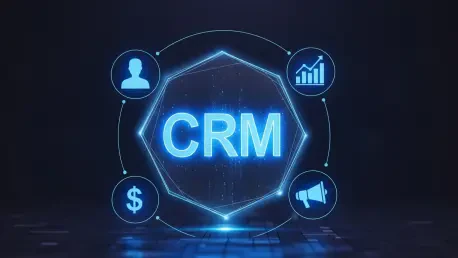
This continuous engagement, powered by sophisticated Customer Relationship Management (CRM) nurturing, is the new benchmark for excellence. It is the critical differentiator that allows a property to stand out in a crowded market, not just through its amenities, but through its ability to build and sustain meaningful connections. The following sections will delve into the imperative for this change, detailing why legacy methods fail and how a modern, integrated approach drives measurable growth. From establishing a unified data foundation to empowering staff with actionable insights, these best practices provide a clear roadmap for hotels ready to redefine their success and secure their future.
The Strategic Imperative: Why Modern Nurturing Drives Unprecedented Growth
Relying on outdated, manual follow-up methods is akin to navigating a digital world with a paper map. Phone messages jotted on notepads, vital inquiry details buried in a chaotic email inbox, and guest preferences stored only in the memory of a single staff member create a disconnected and frustrating experience. This fragmented approach inevitably leads to significant revenue leakage as qualified leads—whether for a family vacation, a corporate event, or a wedding block—fall through the cracks due to inconsistent and delayed responses. In a market where speed and personalization are paramount, such operational friction not only costs a hotel the initial booking but also damages its reputation and diminishes the chances of future consideration.
In contrast, a robust CRM nurturing strategy functions as a central nervous system for a hotel’s entire commercial operation. By automating and personalizing the lead follow-up process, it yields a cascade of powerful benefits. Conversion rates can climb significantly—often two to three times higher—as every inquiry receives a prompt, relevant, and consistent response. This efficiency directly translates to lower customer acquisition costs by maximizing the value of every marketing dollar spent. Moreover, a streamlined workflow enhances operational effectiveness, freeing team members from tedious administrative tasks to focus on high-value, personalized guest interactions. Ultimately, this thoughtful, data-driven engagement fosters a deeper connection with guests, strengthening long-term loyalty that turns one-time visitors into lifelong advocates.
From Inquiry to Advocacy: Actionable Strategies for a Winning Nurturing Program
Unifying the Guest Journey: The CRM and CDP Foundation
The first and most critical best practice in modern lead nurturing is the establishment of a single, comprehensive view of each guest. This is achieved by integrating a powerful Customer Relationship Management (CRM) system with a Customer Data Platform (CDP) or an equivalent data-unifying layer. The CRM acts as the hub for managing interactions and sales workflows, while the CDP serves as the engine, collecting and consolidating rich behavioral and transactional data from every corner of the property. Information from the Property Management System (PMS), Point of Sale (POS) terminals in restaurants and spas, and website activity are all funneled into one unified guest profile.
This integration breaks down the data silos that have long plagued the hospitality industry. Instead of having disparate pieces of information scattered across different departments, the hotel gains a holistic understanding of guest preferences and history. This unified profile becomes a living record, capturing every interaction and transaction to provide deep context. It is this foundation that makes true personalization possible, allowing a hotel to move beyond generic communication and engage with potential and returning guests in a way that is consistently relevant and meaningful.
Real-World Example: Tracking the Non-Linear Path to Booking
Consider a potential guest who begins their journey by browsing premium suites on a hotel’s website using their laptop during a lunch break. A few days later, they revisit the site on their phone to check dates but get distracted and abandon the booking process. Without an integrated system, this lead is likely lost. With a unified CRM and CDP, however, the journey is tracked seamlessly. When the marketing team sends a promotional email showcasing new seasonal packages, the system recognizes this individual and their previous interest. The guest clicks the email, and when they finally call the reservations line, the agent sees their entire history on screen: the specific suites viewed, the abandoned booking, and the email they responded to. This empowers the agent to skip the generic questions and provide a highly contextual and helpful conversation, addressing the guest’s specific interests and leading directly to a confirmed booking.
Automating Personalization: Delivering the Right Message at the Right Time
With a unified data foundation in place, the second essential practice is to leverage marketing automation to deliver personalized communication at scale. This marks a definitive move away from the ineffective “loud hailer” approach of blasting generic offers to an entire database. Instead, hotels can implement sophisticated, trigger-based campaigns that respond directly to a guest’s behavior, expressed interests, and stage in the booking journey. Automation ensures that every lead receives timely attention without creating an unsustainable burden on staff.
These automated workflows can be designed for a multitude of scenarios. An inquiry about wedding venues can trigger a carefully curated sequence of emails showcasing event spaces, catering menus, and testimonials from past clients. A guest who previously booked a spa package might receive a targeted offer for a new wellness retreat. The key is that the communication is not random; it is a direct and relevant response to data the guest has already provided through their actions. This level of automation ensures no opportunity is missed and transforms marketing from an intrusive interruption into a welcome and helpful service.
Scenario in Action: The Proactive Cart Abandonment Campaign
A powerful illustration of this practice is the automated cart abandonment campaign. Imagine a potential guest is in the final stages of booking a luxurious corner suite for an anniversary trip but hesitates on the payment screen and closes the browser. In a traditional setup, this high-value lead would simply disappear. With marketing automation, however, this action instantly triggers a response. Within an hour, the guest receives a gracefully worded email that acknowledges their interest in the specific suite. The message doesn’t just offer a generic discount; it highlights the suite’s unique amenities, like its panoramic city views and deep soaking tub, and perhaps includes a limited-time offer for a complimentary bottle of champagne upon arrival. This tailored, proactive follow-up addresses the guest’s specific interest, overcomes their hesitation, and successfully converts a near-lost booking into a confirmed high-value reservation.
Empowering Your Team: Augmenting the Human Touch with Data
The third cornerstone of a successful nurturing program is recognizing that technology should not replace the human element but, rather, augment it. The CRM system is not an automated wall between the hotel and its guests; it is a powerful tool that empowers staff with the rich, contextual data needed to transform routine interactions into highly effective, personalized conversations. By automating repetitive follow-ups and reminders, the system frees human capital to focus on what people do best: building rapport, solving complex problems, and creating memorable experiences.
When a team member engages with a guest, whether by phone or email, they are no longer operating in the dark. The CRM provides the full context of that guest’s journey, including past stays, preferences, recent website activity, and any previous inquiries. This instant access to information allows staff to be proactive, insightful, and incredibly efficient. They can anticipate needs, make relevant recommendations, and speak to the guest with a level of personal understanding that builds immediate trust and demonstrates a genuine commitment to their experience.
Case Study: The Informed and High-Value Sales Call
A reservations agent receives an incoming call from a potential guest. With a single click, the agent’s screen displays the caller’s complete interaction history from the CRM. They see that the guest has visited the website three times in the past week, has viewed the family suites and the hotel’s on-site restaurant menu, and previously stayed at the property two years ago. Armed with this insight, the agent can guide the conversation with precision. Instead of asking, “How can I help you?” they can open with, “I see you’re interested in our family suites. Are you planning another trip with your family soon?” They can then proactively mention the restaurant’s new children’s menu or a package that includes breakfast, directly aligning with the guest’s demonstrated interests. This informed approach not only streamlines the booking process but also presents a natural opportunity for a valuable upsell, resulting in a higher-revenue booking and a deeply impressed guest.
Final Verdict: Embracing Nurturing as a Core Business Function
Effective lead nurturing is no longer a peripheral marketing task delegated to a single department; it has become a central, revenue-critical function that defines a hotel’s commercial success. The future of hospitality belongs to properties that move beyond outdated, fragmented processes and invest in a connected technology stack designed to foster deep, lasting guest relationships. By integrating a CRM and CDP to create a unified view of the guest, leveraging automation for timely personalization, and empowering teams with actionable data, hotels can unlock unprecedented growth and build a resilient competitive advantage.
For hotel leadership, the path forward requires a strategic commitment. This approach offers immense benefits, particularly for independent properties seeking to compete with larger brands and for hotels with significant group or event business where the sales cycle is complex. Before adoption, however, key challenges must be addressed. Leadership must champion the breakdown of departmental data silos, secure genuine staff buy-in through comprehensive training, and develop a structured implementation plan. Overcoming these hurdles is not merely a technical project; it is a cultural shift that repositions the entire organization toward a more guest-centric and profitable future.