

In today's saturated digital marketplace, the fragile path from initial curiosity to final purchase is fraught with countless distractions and exit points where even the most interested customers can lose momentum. This phenomenon, known as "conversion decay," represents a significant challenge for
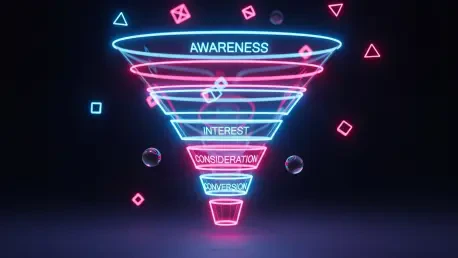
For decades, the marketing funnel served as a reliable roadmap, guiding buyers through a predictable, linear sequence from initial awareness to the final purchase decision, but that straightforward model is rapidly becoming a relic of a bygone era. Today’s buyers have seized control of the process,

Imagine a sales world where every lead is perfectly prioritized, every interaction feels uniquely tailored, and mundane tasks vanish from the daily grind, leaving teams free to focus on closing deals. This isn’t a distant dream but a tangible reality shaped by artificial intelligence (AI) in

Imagine walking through the bustling malls of Riyadh, where the air is scented with oud and the gleam of high-end boutiques catches every eye—a vivid snapshot of Saudi Arabia's thriving luxury beauty market. This vibrant sector has emerged as a cornerstone of the region's retail landscape, drawing

B2B growth no longer hinges on who shouts the loudest; it now depends on who reads signals the fastest, acts the smartest, and earns trust at every touchpoint buyers actually use to decide across channels, formats, and moments that rarely line up in a straight line. In today’s environment,
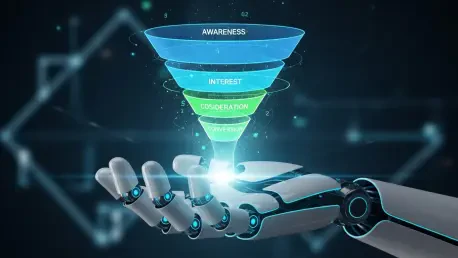
The Hook Quarter after quarter, the highest-performing revenue teams kept asking a blunt question that unsettled boardrooms and energized sales floors alike: why were AI-enabled pipelines hitting quota so much more often while legacy motions stalled despite heroic effort and constant reforecasting?