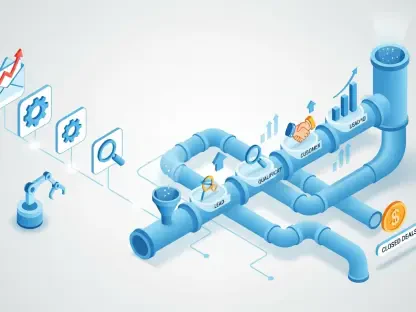

The traditional architecture of business commerce has shifted from a series of high-touch human interventions toward a highly integrated digital ecosystem that rewards speed and precision. The modern B2B sales cycle has undergone a radical transformation, moving away from high-pressure manual outreach toward sophisticated, user-centric digital journeys. Today’s conversion is no longer defined by a single Buy Now button or a successful cold call; it is the culmination of a seamless, invisible experience that prioritizes the buyer’s need for speed and independence. To succeed in this new era, organizations must treat their digital sales infrastructure as a high-performance product, ensuring every touchpoint builds trust and accelerates the path to revenue.
This transition reflects a fundamental change in buyer psychology where the quality of the purchasing interface is seen as a proxy for the quality of the software itself. When a prospect encounters friction, whether in the form of a mandatory discovery call or a slow-loading pricing page, they often interpret it as a sign of technical debt or organizational inefficiency. Consequently, the goal of modern sales engineering is to create an environment where the transaction feels like a natural extension of the product experience rather than a separate, burdensome hurdle.
Reshaping the B2B Landscape Through Buyer Autonomy and Digital Precision
The power dynamic in B2B transactions has swung decisively in favor of the customer, who now expects the same ease of use found in consumer retail apps. Autonomy has become the primary currency of trust, as professionals seek to evaluate and purchase solutions without the constant oversight of a sales representative. This shift requires a move toward digital precision, where data-driven insights inform the design of the journey, ensuring that every piece of information is delivered exactly when the buyer needs it.
Moreover, the digital-first approach allows for a level of personalization that manual processes simply cannot match. By analyzing behavior in real-time, platforms can offer tailored documentation or specific feature highlights that resonate with a buyer’s unique pain points. This creates a highly efficient path to conversion that feels both personal and unobtrusive, allowing the sales team to focus on high-value strategic advisory roles rather than administrative gatekeeping.
Why the Human-Gatekeeper Model is Fading in Modern Commerce
The traditional sales funnel, once anchored by a salesperson at every stage, is increasingly misaligned with how businesses actually procure software and services. Data suggests a massive shift toward self-guided journeys, with over 60% of buyers preferring to avoid representative interaction altogether. This transition matters because buyers now equate a company’s digital efficiency with its product quality; if a vendor’s checkout process is slow or opaque, it signals a lack of operational maturity.
Moving toward a digital-first experience is not just a trend but a strategic necessity to capture the current B2B market, where self-serve channels are expected to handle the majority of large-scale transactions. The reliance on manual hand-offs often leads to significant delays that modern procurement teams are no longer willing to tolerate. In an environment where competitors offer instant access and transparent workflows, the human-gatekeeper model becomes a liability that slows down the velocity of the entire organization.
Building the Frictionless B2B Experience: A Step-by-Step Strategic Framework
1. Orchestrating the Self-Guided Buyer Journey
The first step in modernizing B2B sales is removing the human gate and replacing it with an autonomous environment that empowers the buyer to move at their own pace. This requires a rethink of how information is presented, shifting from a push model to a pull model where the buyer pulls the information they need from a well-structured digital repository.
Designing for the “Rep-Free, Rep-Ready” Philosophy
Create a digital environment that allows users to complete a purchase independently while maintaining a direct line to human support for complex edge cases. This dual approach ensures that the path of least resistance is always available, but professional help is just a click away if a specific procurement or technical question arises.
Fostering Buyer Confidence Through Pricing Transparency
Replace Contact Sales buttons with comprehensive pricing tables, usage tier calculators, and clear overage explanations to prevent deal abandonment. When buyers can see the total cost of ownership immediately, it reduces the anxiety associated with hidden fees and accelerates the internal approval process within their own organizations.
2. Optimizing Technical Performance as a Revenue Catalyst
In digital sales, latency is a silent killer of conversion; high-performance conversion surfaces must adopt the speed standards of top-tier consumer e-commerce. A delay of even a few seconds can break the psychological momentum of a buyer, leading them to reconsider the purchase or look for more agile alternatives.
Treating Checkout Latency as a Product Bug
Set strict service-level objectives (SLOs) for pricing and checkout pages, aiming for a p95 latency of under 2.5 seconds to maintain momentum. Engineering teams should prioritize these pages with the same intensity as the core product features, recognizing that the checkout experience is the most critical part of the user journey.
Eliminating “Leaky” Funnel Points with High-Speed Infrastructure
Recognize that milliseconds equate to millions in B2B revenue and optimize the backend to ensure pages load instantly across all global regions. Utilizing edge computing and content delivery networks ensures that a buyer in London has the same lightning-fast experience as one in New York, preventing regional drop-offs due to infrastructure lag.
3. Modernizing Transactional and Legal Architecture
B2B transactions involve layers of complexity that consumer sales do not, requiring a robust infrastructure that handles diverse payment rails and legal readiness. Success depends on the ability to bridge the gap between digital speed and the formal requirements of corporate finance and legal departments.
Implementing Procurement-Ready Documentation
Embed Master Service Agreements (MSAs), tax forms, and security certifications directly into the digital flow to streamline the legal review process. Providing these documents upfront allows the buyer’s legal team to begin their work immediately, cutting weeks off the typical enterprise sales cycle.
Diversifying Payment Rails for Corporate Finance
Support corporate cards, ACH transfers, and net-term invoicing within a single interface to accommodate various departmental spending preferences. Flexibility in how money moves is often the deciding factor in whether a deal closes, especially when dealing with large organizations that have rigid treasury policies.
Leveraging Cloud Marketplaces for Faster Closing
Integrate with AWS, Azure, or Google Cloud marketplaces to tap into a buyer’s pre-committed spend and bypass traditional procurement hurdles. These marketplaces act as a shortcut, allowing departments to utilize existing budgets and pre-vetted billing relationships to acquire new tools almost instantly.
4. Simplifying Identity and Access Management
Identity is the new doorway to revenue, yet it remains one of the most significant points of friction in the B2B sign-up process. A clunky onboarding experience can lead to high abandonment rates even after a buyer has committed to the purchase mentally.
Reducing Onboarding Friction with Single Sign-On (SSO)
Deploy enterprise-grade identity solutions that allow teams to provision seats and access products without repetitive manual credentialing. SSO not only improves the user experience but also satisfies the stringent security requirements of IT departments, making the adoption of the tool much smoother.
Adopting Passkeys for Secure and Instant Authentication
Utilize passkey technology to strengthen security while simultaneously removing the barrier of password recovery from the conversion flow. This modern approach to authentication reduces the cognitive load on the user and ensures that access to the product is never blocked by a forgotten password or a faulty login screen.
Key Takeaways for High-Performance B2B Conversion
Autonomy is mandatory because buyers demand self-serve options that respect their time and need for independence. This shift is not just about convenience; it is about providing the tools necessary for a professional to do their job without unnecessary interference. Organizations that fail to offer this level of control will find themselves increasingly sidelined in favor of more agile competitors.
Furthermore, technical performance has become a form of pricing; speed and clarity on the checkout page are just as important as the actual cost of the product. Revenue is won by having the right payment rails and legal readiness, not just a persuasive sales pitch. Finally, identity must be treated as an experience, where modern authentication like SSO and Passkeys reduces the friction that leads to involuntary churn and abandoned carts.
Applying Digital Experience Strategies Across the Enterprise
Transitioning to a digital-first sales experience has implications far beyond the sales team, impacting engineering, product, and finance departments. As industries continue to consolidate, those who can offer a frictionless, consumerized B2B experience will gain a significant competitive advantage. Future developments will likely see even deeper integration between product usage data and automated procurement, making the sales funnel entirely invisible.
The challenge for leaders will be maintaining a human touch in an increasingly automated world while ensuring that technical debt does not become a barrier to transactional growth. Departments must collaborate to ensure that the data flowing from the sales experience informs product development and vice versa. This holistic approach ensures that the entire company is aligned toward the single goal of creating a seamless experience that naturally leads to revenue.
Concluding the Shift: From Funnels to Fluid Experiences
The transition from rigid sales funnels to fluid digital experiences represented a pivotal change in how value was exchanged in the business world. Organizations that successfully audited their checkout flows and set aggressive latency goals found that they could capture revenue previously lost to administrative friction. By treating every point of resistance as a threat to the bottom line, these companies built lasting trust with a new generation of buyers who prioritized efficiency above all else. The implementation of procurement-ready documentation and diverse payment rails allowed for a much faster closing process, bypassing the month-long delays of the past. Ultimately, those who embraced identity management as a core part of the user experience secured a competitive edge that redefined the standards of modern commerce.