
Introduction Imagine a marketing system that senses intent, predicts the next best move, and rewrites every message before a thumb lifts from the screen, turning strategy from a quarterly plan into a living, learning organism that changes course with every click, scroll, and glance. That scenario
From algorithm shifts to an AI-native studio: why this stack matters now Audiences swipe through Shorts in seconds, binge long-form in bursts, and expect captions, chapters, and multilingual audio by default, creating a content tempo that only always-on teams—or AI-native workflows—can match at

Picture a digital shopping frenzy where, in just the first 23 days of November, American consumers poured a staggering $79.7 billion into online purchases, all before the traditional Cyber Week madness even kicked off. This jaw-dropping figure isn’t just a number; it’s a signal of a seismic shift
When confident machine guidance flows faster than a budget meeting or a town hall, the convenience can turn persuasive phrasing into policy momentum before anyone checks whether the premises actually fit the lived reality on the ground and the trade-offs that ripple beyond a neatly ranked
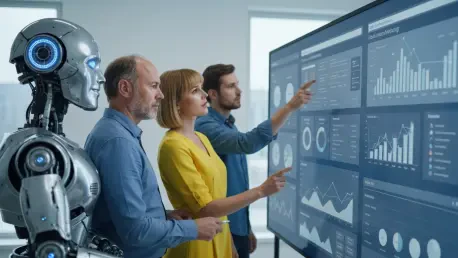
Imagine a marketing team in 2025, armed with cutting-edge AI agents promising to revolutionize campaigns, craft content, and streamline workflows overnight. The hype is intoxicating, with vendors painting visions of effortless automation and unparalleled results. Yet, beneath the excitement lies a
A City Pop-Up, An Algorithmic Nudge A line snaked around the block before sunrise, phones lifted to capture merch drops and street-style moments while, quietly, background AI agents checked sizes, compared prices, validated availability, and executed the actual purchase without fanfare or friction.