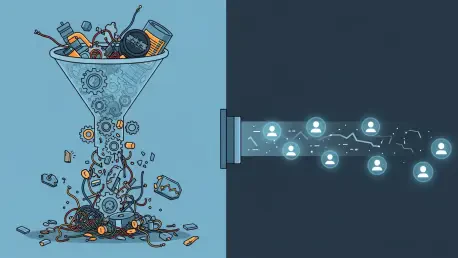

The Marketing Ecosystem in Flux: From Linear Paths to Fluid States Marketing plans once treated attention like a tidy relay race baton but today it slips between screens, formats, and intents so quickly that stages blur into seconds and outcomes hinge on whether a brand recognizes the moment before

Buying decisions increasingly formed inside synthesized answers long before a click reshaped who holds influence. That change altered the opening seconds of discovery: buyers now encounter a machine-assembled briefing that blends vendor docs, community insights, and third-party validation. The

Every time a potential customer types a specific brand name into a search bar, they are casting a digital vote that signals more than just interest; they are revealing the actual strength of a company’s market presence. This intentional act of seeking out a brand by name is known as branded intent,

Launching a high-budget digital campaign without a pinpointed audience is much like trying to navigate a vast, dark ocean without a compass or a map to guide the journey. In a digital landscape crowded with information, the effectiveness of any message depends entirely on who receives it. Without a

The modern professional buyer does not wake up and decide to enter a marketing funnel; instead, they navigate a labyrinth of digital touchpoints entirely on their own terms. This shift in power has rendered the traditional linear sales model obsolete. It is no longer about moving a lead from one

The shift from scrolling through pages of blue links to receiving a singular, synthesized answer marks the most radical transformation in consumer behavior since the invention of the commercial web. Microsoft has positioned itself at the epicenter of this pivot, leveraging its integration of