
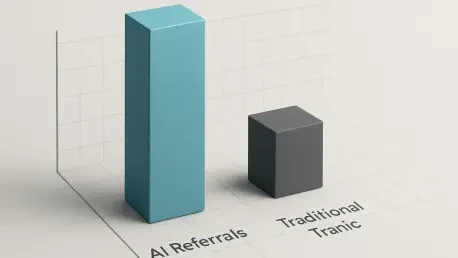
The digital marketplace has undergone a radical transformation this year, resulting in a staggering 138% surge in retail visits sourced directly through artificial intelligence platforms. This momentum positions tools like OpenAI’s ChatGPT and Google’s Gemini not just as experimental assistants,

The sophisticated B2B buyer now navigates a digital landscape where artificial intelligence algorithms act as invisible gatekeepers, filtering out vendors before a single human interaction occurs on a corporate website. This fundamental change in behavior necessitates a departure from traditional

The intersection of massive retail infrastructure and digital video consumption has reached a critical juncture where data-driven precision determines which brands dominate the consumer consciousness in a crowded marketplace. Google and Walmart have recently solidified a strategic partnership that

Efficiency in modern sales cycles is frequently sabotaged by a relentless focus on lead quantity over the nuanced quality of collective account behavior. For years, marketing departments have operated under the assumption that more leads naturally equate to more revenue, yet this philosophy often

Modern B2B sales organizations often struggle with the limitations of manual lead scoring systems that rely on static demographic data rather than real-time behavioral signals. These legacy frameworks frequently result in a saturated pipeline where high-value opportunities remain buried under a

The traditional sales pipeline, once fueled by the relentless engine of high-volume cold calling and mass email campaigns, has reached a critical point of diminishing returns where buyers are no longer responsive to generic intrusion. This systemic breakdown has forced a fundamental reconfiguration