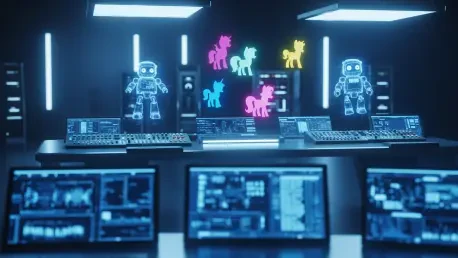

The traditional boundaries between physical toys and digital entertainment have dissolved as Hasbro introduces a dedicated internal production hub designed to redefine how consumers interact with iconic intellectual properties through the power of advanced generative artificial intelligence. The launch of Sixth Wall marks a significant pivot for the toy giant, signaling a move from static playthings to dynamic, conversational companions. This new studio is tasked with integrating AI into a vast portfolio that includes legends like Transformers and My Little Pony. By leveraging sophisticated large language models, the company aims to provide fans with personalized experiences. The initiative represents a substantial investment in the digital future, moving beyond simple apps into a realm where characters possess unique voices and the ability to respond to user input in real time. This move secures a competitive edge in a market where physical sales are increasingly tied to digital ecosystem depth.
Technological Foundations: Redefining Digital Interaction
Building on this foundation, Sixth Wall focuses on developing proprietary frameworks that allow for seamless integration of generative voice and text capabilities across multiple platforms. This technology enables a level of immersion where a child could theoretically discuss Cybertronian history with Optimus Prime or receive storytelling prompts from a digital Dungeon Master. The technical architecture relies on low-latency processing and edge computing to ensure that responses are instantaneous, mimicking natural human conversation. By utilizing custom-trained models, the studio avoids the pitfalls of generic AI outputs, instead delivering dialogue that feels authentic to each specific brand. This approach transforms the product from a one-way entertainment medium into a collaborative experience, where the user’s input directly influences the narrative path. The integration of spatial audio further enhances this realism, bridging the gap between figurines and digital counterparts.
This technological leap necessitates a robust infrastructure capable of handling massive amounts of data while maintaining high performance across various hardware configurations. The studio has prioritized a platform-agnostic philosophy, ensuring that these AI-driven experiences can be accessed via smartphones or augmented reality headsets. Such flexibility allows the company to reach diverse demographics, from young children playing with interactive plush toys to adult collectors seeking deeper lore engagement. Moreover, the backend systems are designed to learn from broad user trends without compromising individual privacy, allowing the characters to evolve their conversational style based on collective feedback. This iterative process ensures that the AI stays relevant and continues to surprise users with its depth and wit. The technical synergy between designers and engineers represents a holistic approach to development, where software is a core component of the toy’s value proposition.
Strategic Governance: Safeguarding Brand Integrity and Licensing
Beyond the technical aspects, the strategic focus involves navigating the complex landscape of digital licensing and intellectual property rights in the age of AI. As characters become more interactive, the definition of licensing expands to include the rights to a character’s voice and digital likeness in a generative context. Sixth Wall serves as the gatekeeper for these assets, ensuring that third-party partners adhere to the same high standards when incorporating characters into their digital products. This centralized oversight prevents brand dilution and ensures a consistent user experience regardless of the platform. The studio also addresses the concerns of creators by implementing fair compensation models for the use of their work in training AI systems. This ethical stance helps build trust within the creative community and sets a precedent for the industry. By treating AI as an extension of the creative process, the company fosters an environment where technology and human artistry coexist.
The establishment of this specialized studio represented a transformative shift in the entertainment sector, marking the point where interactive character licensing moved into the mainstream. Industry leaders recognized that the traditional model of passive consumption was no longer sufficient to engage a digitally native audience. By prioritizing authenticity and safety, the initiative provided a blueprint for how legacy brands modernized without losing their core identity. The development team successfully integrated complex neural networks into consumer-facing products, proving that high-level AI was both accessible and reliable. As these interactive characters moved into homes, they fundamentally changed the relationship between fans and their favorite stories. Organizations looking to replicate this success focused on the intersection of narrative depth and technical reliability. Moving forward, the strategy emphasized the expansion of these capabilities into broader educational fields, ensuring that character engagement served a functional purpose.