
Technology now enables content creators to swap backgrounds or featured products without needing to reshoot the entire scene from scratch in a studio setting. This breakthrough represents a significant shift from the labor-intensive production cycles that previously defined the social media landscape. Before these innovations, influencers and digital marketers spent countless hours grappling with lighting inconsistencies, sourcing specific locations, and managing complex equipment setups just to produce a single minute of high-quality footage. For active creators on platforms like TikTok or Instagram, the pressure to maintain a daily posting schedule often led to burnout as the physical demands of filming outpaced creative output. By integrating artificial intelligence into the editing workflow, the barrier between a raw concept and a polished final product has significantly diminished. Instead of starting from zero for every video, creators now use existing assets as foundational templates, allowing them to focus on the storytelling rather than the logistical hurdles of production.
1. Defining AI Video Cloning
AI video cloning fundamentally differs from traditional filters or simple overlays because it focuses on preserving the underlying structure of a performance while swapping out specific visual components. The technology analyzes a reference video to understand the movement of subjects, the timing of transitions, and the perspective of the camera. Tools like CloneCut AI have become essential in this space, providing users with the ability to isolate people, objects, or entire backgrounds and replace them with high-fidelity alternatives that react naturally to the original motion. This level of sophistication ensures that if a creator moves their arm, the digital replacement item or background environment shifts accordingly, maintaining a sense of visual continuity that was once only possible with high-budget CGI teams. Consequently, a single ten-second clip recorded in a living room can be transformed into a professional-looking scene set in an industrial warehouse without losing the authentic human performance.
Furthermore, the effectiveness of these cloning tools depends heavily on the quality of the initial input and the realism of the requested modifications. While current AI can handle impressive transformations, it functions best when the reference footage is stable and the lighting is relatively even across the frame. Creators often find that complex physical interactions—such as a person walking through a doorway or handling highly reflective objects—require more careful oversight to avoid visual glitches. Despite these considerations, the technology empowers individuals to experiment with creative ideas that were previously cost-prohibitive. A travel blogger might use a single walking shot to test different atmospheric styles, while an educator could swap out background diagrams to match different topics in a lecture series. This iterative flexibility allows for a more dynamic approach to content development, where the initial filming session is just the beginning of a multi-faceted creative journey that yields unique results.
2. Practical Applications for Creators
The fitness industry has seen a remarkable transformation as instructors utilize AI to keep their exercise demonstrations engaging without the need for constant new location rentals. A fitness professional can film a high-quality series of squats or lunges in a basic home studio and then use cloning technology to place themselves in various environments, such as a high-end gym or a serene mountain peak. This helps prevent visual fatigue for their followers who might otherwise grow tired of seeing the same four walls in every video. However, the integrity of the physical form remains the most critical aspect of this niche. Creators must ensure that the AI does not distort the alignment of limbs or the speed of movement, as maintaining technical accuracy is vital for the safety of the viewers following the routine. By focusing on environmental changes rather than altering the movements themselves, fitness influencers can scale their content production while still providing the high-quality, reliable instruction that their audience expects.
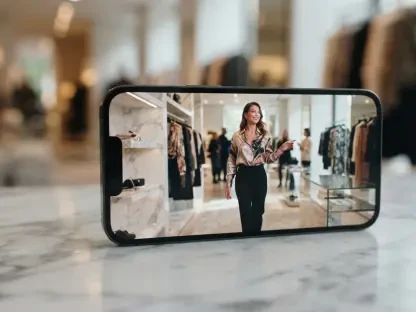
In the realms of fashion and technology reviews, AI cloning provides a way to showcase variety that was previously logistically impossible. Fashion creators can now film one high-quality “walk” video and use AI to swap out the clothing patterns or colors, provided the fabric texture and drape are handled with precision. This allows for rapid-fire “lookbooks” that highlight an entire seasonal collection in a fraction of the time it would take to change outfits manually. Similarly, gadget reviewers use AI to swap out different iterations of a product within a hands-on demonstration, allowing them to compare two models visually without needing both physical units on the same day. However, these creators must walk a fine line between efficiency and authenticity. While the background or certain product finishes might be digitally altered, the core experience—the honest opinion of the reviewer and the tactile reality of the items—must remain genuine to maintain the trust of an increasingly savvy digital audience that can often spot heavily synthesized content.
3. Leveraging AI for Marketing Content
Advertising content is undergoing a similar evolution through the rise of ad cloning, which prioritizes the structural elements of high-performing promotional videos. While standard video cloning focuses on the visual aesthetic, ad cloning is designed to replicate successful narrative frameworks, such as specific hooks, call-to-action timing, and storytelling arcs. Small business owners and independent creators use AI Ad Makers to take a successful campaign concept and adapt it for different target demographics or seasonal sales. For instance, a creator might find an advertisement with a compelling opening that grabs attention and use those same pacing cues to build a new ad for their own product. This method democratizes professional marketing strategy, allowing those without large creative agencies to compete by using data-driven structures that have already proven to be effective on social media feeds. This systematic approach to creativity ensures that promotional content is not just aesthetically pleasing but also strategically sound.
However, the shift toward AI-assisted marketing brings significant ethical considerations and a need for transparency regarding the use of synthetic media. As it becomes easier to clone the style and structure of existing advertisements, creators must be careful not to infringe upon the intellectual property of others or create misleading representations of their products. The goal is to use the AI as a creative catalyst—a way to explore different visual strategies and test multiple campaign variations quickly—rather than as a tool for deception. Modern platforms are increasingly requiring creators to label content that contains significant AI modifications, a practice that helps maintain a healthy relationship with consumers. When a brand uses an AI Ad Maker to generate twenty different versions of a video to see which one resonates best with their audience, they are engaging in a sophisticated form of A/B testing that yields valuable insights. This data-driven creative process allows for a more personalized advertising experience, where the visuals are tailored to specific interests.
4. A Basic AI Video Creation Guide
Step 1: Define the concept. Every successful project begins with a clear understanding of the core message or the specific goal of the social media post. Whether the intent is to showcase a new product or provide a tutorial, having a fixed objective prevents the technology from leading the narrative astray. Step 2: Pick a source clip. The selection of a reference video is the most critical technical step, as the AI needs a clean, well-lit subject with a distinct visual structure. Low-quality or shaky footage often results in artifacts or unnatural movements in the cloned version. Step 3: Gather visual assets. To ensure the final output looks professional, creators must collect high-resolution images or 3D models of the items they plan to insert into the scene. These assets should match the general lighting conditions of the original clip to facilitate a seamless blend. Step 4: Detail the modifications. Modern AI interfaces require specific instructions regarding which elements should be replaced and which must remain untouched.
Step 5: Produce and evaluate. Once the generation was completed, creators scrutinized the footage for visual glitches, such as flickering pixels or items that seemed to float unnaturally. Step 6: Refine the final cut. Even the best AI output needed a human touch, so the video was brought into a standard editing suite to add music, text overlays, and professional branding. Step 7: Post and analyze. The final step involved sharing the content and monitoring engagement metrics to see how the audience reacted to the synthetic enhancements. This transition into a new era of content creation eventually required a fundamental rethink of how audiences perceived digital truth. Platforms established clearer guidelines for disclosure, and creators who embraced this transparency saw higher levels of engagement. The industry moved toward a hybrid model where real-world footage provided the necessary authenticity while AI cloning provided the spark of imagination. This evolution fostered a diverse creative economy where the strength of an idea mattered most.