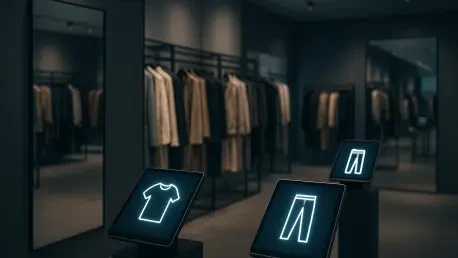

From Digital Screens to Physical Aisles: The New Retail Reality
A frustrated shopper standing in a maze of nearly identical industrial fasteners no longer needs to hunt for an elusive store associate because a single photo from a smartphone now instantly unlocks a digital map and expert-level advice. This represents the current state of modern commerce, where artificial intelligence has moved beyond the digital “buy” button to inhabit the physical shop floor. The brick-and-mortar store is no longer just a warehouse for goods; it is evolving into a live, interactive search engine that responds to the physical presence of the consumer. This transition marks a departure from the traditional shopping experience, creating an environment where information is as accessible on a shelf as it is on a screen.
The integration of these systems matters because it addresses the modern consumer’s expectation for the same speed and personalization they find online. By turning physical locations into data-rich environments, retailers ensure that brick-and-mortar remains relevant in an increasingly digital world, bridging the divide between physical infrastructure and cloud-based intelligence. This shift is not merely about convenience; it is about solving the “information friction” that has historically plagued in-person shopping, allowing the physical space to compete with the data-driven precision of e-commerce.
The Evolution of the Brick-and-Mortar Search Engine
For decades, the physical retail experience remained largely stagnant while e-commerce platforms gathered deep insights into consumer behavior and preferences. Today, that gap is closing rapidly as retailers integrate omnichannel AI to mirror the seamless nature of online browsing. This technical evolution allows stores to function with a level of intelligence previously reserved for algorithmic recommendations. By embedding sensors, cameras, and mobile-syncing capabilities into the aisles, businesses are transforming the quiet act of browsing into a dynamic data exchange that benefits both the merchant and the buyer.
Furthermore, this evolution is driven by the necessity of matching the instant gratification found in digital spaces. When a customer enters a store, they often bring a high level of intent but a low level of patience for logistical hurdles. Retailers are responding by deploying tools that act as a bridge, ensuring that the wealth of information available in the cloud is accessible at the exact moment a customer reaches for a product. This synchronization transforms the physical store from a static destination into a responsive platform that learns and adapts to human movement in real time.
Redefining the Customer Journey With Physical AI
The integration of AI into the shopping floor is fundamentally altering how consumers interact with products and spaces through several distinct lenses. Retailers like Home Depot are leading the charge with tools like the “Magic Apron” assistant, which serves as a prime example of in-aisle assistance. These systems allow customers to use voice, text, or images to navigate thousands of square feet of inventory, providing expert-level advice directly via smartphone. This reduces the cognitive load on the shopper and eliminates the common frustration of being unable to locate a specific item in a massive facility.
This transformation relies heavily on the power of unified commerce, a technical backbone that syncs inventory, pricing, and customer profiles in real time. Unlike older multichannel models that kept web and store data in separate silos, unified commerce ensures that the AI helping a customer at a kiosk possesses the same information as the AI on the retailer’s mobile app. Moreover, AI now influences the shopping trip long before the customer even enters the building. By analyzing massive datasets, AI identifies high-value audiences and delivers tailored content that drives foot traffic, creating a seamless transition from a social media advertisement to a successful in-store purchase.
Human Augmentation: Empowering the Frontline
Industry experts and data suggest that AI is not a replacement for human workers but a powerful tool for augmentation. Research indicates that up to 60% of routine retail tasks—from inventory management to basic administrative duties—could be automated using current technologies. This shift allows store associates to move away from logistical drudgery and toward high-value customer service. When employees are equipped with AI-driven decision-support tools, they can provide more accurate information and faster service, effectively becoming “super-associates” who are backed by the collective data of the entire enterprise.
This augmentation creates a more fulfilling work environment where the human element is prioritized for complex problem-solving rather than repetitive tasks. When a store associate can instantly check stock across the entire region or access technical specifications through a handheld device, the quality of the interaction improves significantly. Consequently, the role of the retail worker is being elevated from a shelf-stocker to a consultant, enhancing the value of the physical store as a place for expert guidance and human connection.
Strategies for Implementing AI in the Physical Environment
Transitioning to an AI-enhanced retail model required a deliberate framework to ensure technology added value rather than confusion. Retailers prioritized data synchronization before deploying front-end tools, ensuring that back-end systems for inventory and pricing were unified across all channels. They recognized that a disjointed system led to customer frustration and worked to eliminate data silos. By focusing on high-friction touchpoints, such as finding niche products or comparing technical specifications, businesses successfully deployed AI tools specifically to solve the most common pain points.
The organizations that flourished moved beyond traditional tracking and adopted models that measured how AI influence at one stage led to conversion at another. They recognized that scaling gradually through pilot programs allowed them to gather necessary feedback before a nationwide rollout. This deliberate approach ensured that technology aligned with actual shopper behavior and created a sustainable future for physical commerce. These leaders understood that the ultimate goal was not just to use technology, but to create a cohesive journey where the digital and physical worlds operated as one. This groundwork paved the way for a retail environment that finally moved as fast as the consumer’s own curiosity.