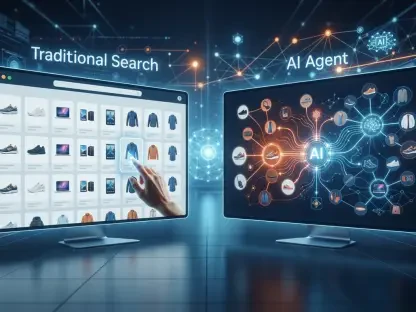

The rise of AI-coordinated influencer programs raises critical questions about how data rights and creator consent are managed when outreach is handled by automated agents. As brands shift from sporadic celebrity endorsements to continuous engagement with hundreds of niche creators, the logistical burden has become a significant bottleneck for modern marketing departments. Tano, a London-based startup, recently announced it has secured US$4 million in seed funding to address this complexity, bringing its total backing to US$5 million. Led by Cherry Ventures, this investment signals a major move toward the integration of AI agents within human-led strategic frameworks in the year 2026. By bridging the gap between talent discovery and actual commerce data, the platform intends to redefine how companies manage recurring creator relationships. Rather than just finding talent, the system focuses on scaling partnerships while maintaining control over representation and performance metrics across major social platforms like TikTok and Instagram.
1. Operations Targeted for Automation
Co-founders Will Caplan and Sagar Shah designed the Tano platform to serve as a comprehensive operational layer for recruiting creators and coordinating product seeding across TikTok, Instagram, YouTube, and Facebook. The software handles the tedious aspects of campaign management, including sending outreach communications, processing rewards, and managing multi-currency payments. Despite the heavy reliance on automation, the company maintains that human creator strategists remain an integral part of the workflow to ensure that the brand voice is never compromised. By integrating directly with commerce tools, the system creates a feedback loop that connects creator activity to actual purchase data through tracking links and unique discount codes. This architecture allows marketing teams to move away from fragmented spreadsheets and toward a centralized database where every organic post can potentially be converted into a trackable paid advertisement with the creator’s explicit consent.
The efficiency gains reported by early adopters suggest a radical departure from traditional influencer outreach timelines. Cherry Ventures highlighted a specific program where Tano’s AI agents sourced and verified over 2,300 creators with only two hours of manual input from a brand’s influencer expert. For comparison, the investor estimated that performing the same task through manual research and validation would have required approximately 754 hours of human labor. While these figures represent investor-supplied case studies and have not been independently audited for every market, they illustrate the potential for high-volume creator programs that were previously cost-prohibitive. Major brands such as Unilever, HelloFresh, and Skin+Me have already used the platform to manage their expanding creator ecosystems. The goal is to move beyond the discovery phase and provide a robust infrastructure that supports thousands of micro-partnerships without overwhelming internal marketing departments.
2. Importance for Influencer Agencies
For established influencer marketing agencies, the rise of automated coordination tools like Tano introduces a clear competitive challenge to traditional labor-intensive models. Historically, agencies justified high fees by managing the complex logistics of talent sourcing, contract negotiation, and content review. As software begins to handle repetitive administrative tasks more efficiently, the market value of these routine services is likely to face downward pressure. Consequently, agencies may need to pivot their focus toward high-level creative strategy, specialized brief development, and deep relationships with elite talent that cannot be easily replicated by an algorithm. This shift does not necessarily mean that human campaign managers will disappear, but it suggests their roles will evolve to emphasize judgment and creative quality over clerical oversight. Successful firms will likely be those that integrate these AI-driven workflows to enhance their own productivity while offering a level of nuance that machines cannot yet provide.
Creators themselves have a significant stake in how these automated pipelines are deployed within the industry. High-volume automation can create unprecedented opportunities for smaller accounts that might otherwise be overlooked by traditional agencies focused on high-reach celebrities. However, this shift also brings risks such as generic outreach messages, unclear expectations regarding product gifting, and increased pressure to accept standardized legal terms. It is essential for brand teams to decide exactly where a human should intervene to resolve objections or handle nuanced negotiations that require a personal touch. A creator should always be informed when they are interacting with an automated agent and provided with a clear point of human contact for situations that fall outside standard parameters. Maintaining the human element in creator relations is vital for fostering authentic partnerships that resonate with audiences, ensuring that the technology serves to build bridges rather than just process transactions.
3. Measurement and Data Permissions
Accurate measurement remains one of the most persistent hurdles in the creator economy, particularly when distinguishing between total attributed sales and true incremental demand. While transaction signals like discount codes and affiliate links provide immediate data, they often fail to capture the full scope of a creator’s influence. For instance, these metrics might miss delayed conversions, shoppers who switch devices before purchasing, or customers who would have bought the product regardless of the creator’s post. Brands evaluating the Tano platform must look closely at how the software records attribution windows and whether it can deduplicate data across other paid marketing channels. A sophisticated approach to evaluation should prioritize high-quality data sources and provide a clear picture of how influencer activity contributes to the broader sales funnel. Without this level of transparency, brand teams risk overestimating the impact of certain creators while ignoring others who may be driving long-term brand awareness.
Legal boundaries and data privacy concerns are equally critical when using automated systems to discover and reuse creator content for paid advertising. Brands must ensure that any permission granted by a creator specifically identifies the media types, geographic regions, and duration of the usage rights. An agreement for an organic post should never be interpreted as a blanket authorization for indefinite paid distribution across multiple social platforms. Furthermore, the handling of personal data and performance metrics from various social networks requires strict adherence to privacy regulations and creator consent. It is incumbent upon the platform operator to verify where the data originates and how opt-out preferences are managed in real time. The recent funding of startups in this space underscores the need for auditable automation where every step of the outreach and content licensing process is documented. Human oversight is still necessary to review product claims and ensure that all disclosures meet current regulatory standards for digital advertising.
4. Steps for Brand Testing
To ensure the successful integration of AI-driven tools, brand teams should initiate a comparative trial by running a small campaign that has already undergone a traditional manual planning process. The objective is to have the platform recreate the same brief—using specific parameters for product category, audience, and budget—and then compare the AI’s recommendations against the human-curated list. This exercise reveals whether the algorithm identifies suitable niche talent or misses key creators who have strong historical performance. Once the discovery phase is validated, teams must conduct a thorough walkthrough of the administrative workflow to confirm how outreach is authorized and how payments are calculated. The brand’s legal department should review the consent checks and usage rights agreements to ensure they are robust enough for high-volume operations. By testing these operational steps in a controlled environment, companies can mitigate the risk of generic outreach or legal disputes arising from automated interactions.
The final phase of evaluation requires a rigorous cross-reference of the platform’s performance dashboard against internal store records and affiliate tracking data. Brand managers analyzed the total cost of the creator partnerships against actual conversions and returns to establish a reliable benchmark for return on investment. This detailed audit allowed teams to identify gaps in data reporting and ensure that the automation provided genuine value rather than just a high volume of unvetted contacts. As Tano deployed its new capital, the success of the platform was ultimately judged by the quality of the long-term relationships it fostered between brands and creators. Marketing executives prioritized systems that offered transparency and auditability over those that merely promised speed. Moving forward, the industry trend shifted toward a model where technology handled the logistical heavy lifting while humans focused on creative storytelling and ethical oversight. These strategic steps ensured that the adoption of AI agents enhanced the authenticity of the creator economy rather than diluting it with impersonal automation.