
What if the very tools shaping consumer decisions today were also rewriting the playbook for marketers overnight? In just one year, artificial intelligence (AI) has surged from a promising concept to a fundamental force in marketing, altering how brands craft strategies and engage with audiences. This isn’t a gradual shift—it’s a seismic change, driven by technology that adapts faster than most can keep pace with. The impact is clear: AI is no longer a luxury but a necessity for staying relevant in a hyper-connected, data-driven world.
Why AI Is the New Marketing Imperative
The stakes in marketing have never been higher. With consumer expectations evolving at lightning speed, brands face intense pressure to deliver personalized, timely experiences. AI has emerged as the linchpin for meeting these demands, offering insights and capabilities that manual efforts can’t match. Recent data underscores this urgency—studies show that over 60% of marketers now rely on AI for critical tasks, a number that continues to climb. This technology isn’t just filling gaps; it’s redefining what’s possible, pushing companies to innovate or risk obsolescence.
Moreover, the relevance of AI extends beyond mere trends. It’s about harnessing a tool that aligns with how modern consumers think and act, many of whom already use AI-powered platforms for decision-making. Marketers ignoring this shift risk losing ground in a landscape where agility and precision are paramount. The message is unmistakable: adapt to AI now, or fall behind in a race where the finish line keeps moving.
How AI Pivoted from Efficiency to Growth
A year ago, AI’s role in marketing was largely about streamlining tasks. Tools automating content creation and basic analytics saved time, with nearly 70% of marketers using them for ideation. However, the focus has shifted dramatically toward growth. Current insights reveal a growing emphasis on using AI to identify untapped markets and drive revenue, prioritizing strategic impact over mere productivity. This evolution reflects a mindset of innovation, where the goal is to stand out rather than just keep up.
The implications of this change are profound. Brands now leverage AI to analyze vast datasets, uncovering consumer trends that inform bold, forward-thinking campaigns. A mid-sized company, for instance, reported a 25% sales increase after deploying AI to predict purchasing patterns. This kind of result signals a broader trend: AI is no longer just a helper—it’s a driver of competitive advantage, reshaping marketing into a proactive, opportunity-seizing discipline.
Navigating the Consumer-Driven AI Disruption
Another striking transformation lies in how consumer behavior has reshaped marketing priorities. With half of all buyers turning to AI tools like chatbots and search assistants for product research, traditional channels are losing traction. Marketers now face the challenge of optimizing content for AI engines, ensuring visibility in a space where algorithms dictate reach. This shift highlights a power transfer—consumers, empowered by technology, are setting the terms of engagement.
Adapting to this reality requires a rethinking of digital strategy. Structured data formats have become essential for brands aiming to appear in AI-generated results, a practice that’s gaining traction rapidly. Companies that pivot effectively are seeing measurable gains, with some noting a 30% uptick in online visibility. The lesson here is critical: understanding and catering to AI-savvy consumers isn’t optional—it’s the new baseline for success.
Blending AI with Existing Tools for Maximum Impact
Fears that AI might entirely replace traditional marketing technology have proven unfounded. Instead, a hybrid approach has taken hold, with over 85% of marketers integrating AI to enhance their current systems rather than overhaul them. This balance of established software and adaptive algorithms creates a synergy that boosts both accuracy and creativity. It’s a pragmatic solution, allowing for innovation without sacrificing stability.
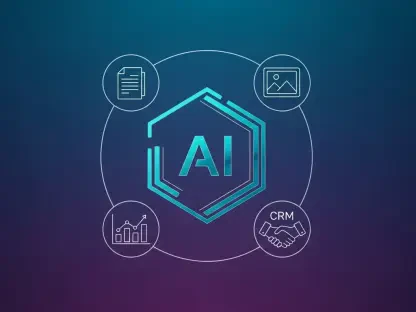
This collaborative model is yielding impressive outcomes. For example, a retail brand combined AI-driven insights with its existing customer relationship management platform, resulting in a 20% improvement in campaign targeting. Such integrations demonstrate that AI doesn’t disrupt—it amplifies. Marketers adopting this mindset find themselves better equipped to handle complex challenges, blending the best of both worlds for sustainable progress.
Prioritizing Data Quality Over Quantity
Data has always been the lifeblood of marketing, but the focus has shifted from accumulation to integrity. Recent findings indicate that more than half of marketers struggle with inconsistent or outdated information, which hampers AI’s effectiveness. The solution lies in refining data inputs through integrated systems that pull from multiple sources, ensuring AI tools operate on accurate, real-time insights. Quality, not volume, now defines the strength of marketing intelligence.
This renewed emphasis is already paying dividends. Brands investing in data cleansing and contextual integration report more reliable AI predictions, enhancing decision-making across campaigns. A tech firm, for instance, saw a significant reduction in wasted ad spend after prioritizing data accuracy. The takeaway is evident: without a solid data foundation, even the most advanced AI tools falter, underscoring the need for meticulous attention to detail in this area.
Redefining Marketing Operations as Strategic Powerhouses
Perhaps one of the most unexpected shifts is the transformation of marketing operations teams. Once focused on maintaining systems, these groups are now pivotal in driving business value through AI. Their role has expanded to include strategic planning, customer expansion, and delivering actionable insights that shape company-wide goals. This evolution positions marketing operations as a central engine of growth, far beyond their traditional support functions.
The impact of this change reshapes organizational dynamics. Teams equipped with technical skills and a data-driven mindset are forging stronger ties with sales and product units, aligning efforts toward common objectives. A notable case saw a firm’s operations team use AI to identify cross-sell opportunities, boosting revenue by 15%. Such examples illustrate how AI empowers these teams to lead, turning marketing into a catalyst for broader business success.
Expert Perspectives on AI’s Unstoppable Rise
The evidence supporting AI’s transformative power is compelling, backed by hard data and authoritative voices. Current research shows that over 80% of marketers view AI as essential to their strategic toolkit, a consensus that reflects its deep integration into the field. Experts argue that this technology’s ability to shift from operational aid to growth engine marks a turning point, one that demands attention from every industry player. Their insights paint AI as an undeniable force, grounded in measurable impact.
Beyond statistics, real-world stories add depth to the narrative. Consider a fashion retailer that revamped its customer outreach using AI-driven personalization, achieving a 35% surge in engagement. Such anecdotes, paired with expert analysis, reinforce the idea that AI’s influence isn’t speculative—it’s tangible and immediate. The collective voice of data and experience leaves little doubt: ignoring AI is no longer an option for forward-thinking marketers.
Reflecting on a Year of Change and Looking Ahead
Looking back, the past year marked a defining chapter in marketing history, as AI transitioned from a novel tool to a core strategic asset. Its influence reshaped everything from data handling to consumer engagement, challenging brands to rethink long-held approaches. The journey revealed both the promise and the complexities of integrating such a dynamic technology into everyday practice.
Moving forward, the path became clearer with actionable steps to harness AI’s potential. Prioritizing growth-focused applications, optimizing for AI-driven consumer searches, and building hybrid systems stood out as critical strategies. Investing in data integrity and elevating marketing operations to strategic roles also proved essential. As the landscape continued to evolve, those who adapted with vision and precision found themselves poised to lead, turning challenges into opportunities for lasting impact.