
In the shifting landscape of digital media, few events serve as a more potent litmus test for cultural power than major festivals. Milena Traikovich, a seasoned expert in demand generation and lead acquisition, has spent years dissecting how high-level brand activations translate into tangible market authority. With her deep background in performance optimization and audience analytics, she offers a unique perspective on why the traditional celebrity hierarchy is being dismantled in favor of a new, highly professionalized creator class.
This conversation explores the financial mechanics of modern influence, from the skyrocketing costs of festival styling to the transformation of desert mansions into branded content farms. We delve into why a creator’s outfit is now a high-stakes business asset and how the rise of “meta-commentary” signifies the official establishment of influencers as the dominant cultural force.
How has the dynamic between A-list celebrities and creators shifted regarding festival attire? Why does a creator’s income now depend on a high-production “look” while traditional celebrities feel comfortable opting for simple tank tops and jeans?
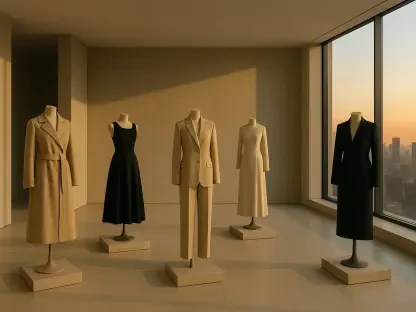
The visual language of status has completely inverted, creating a world where creators look like movie stars and celebrities look like tourists. For an A-lister like Kendall Jenner or Chris Brown, showing up in a simple tank top or a basic tee is a power move that signals they are “off the clock” and there solely for the experience. However, for a creator, the festival is a high-pressure worksite where their visual output is their primary product. Their income is directly tied to the “fit,” as every photo and video serves as a portfolio piece for future brand renewals and contract negotiations. If a creator fails to deliver a high-production aesthetic, they risk losing the attention of both their audience and the sponsors who funded their trip.
What does the rise of $8,000 stylist fees and $5,000 per-outfit costs suggest about the professionalization of creator content? How do these “celebrity-tier” rates impact the financial math for a creator, and what are the specific risks of wearing the “wrong” outfit during a high-stakes weekend?
These staggering figures—where a stylist might command $8,000 for a booking plus $5,000 per outfit—signal that creators are no longer just hobbyists; they are operating at a celebrity-tier professional level. This financial math is a calculated gamble where the creator must spend significant capital to ensure their content stands out in a saturated feed. Wearing the “wrong” outfit isn’t just a fashion faux pas; it is a business failure that can lead to lower engagement metrics and the loss of high-value partnerships. When a creator like Alix Earle arrives with a full team and synchronized sponsor drops, she is treating the weekend like a multi-million dollar shoot week where every detail is optimized for ROI. The risk of under-dressing is the risk of becoming invisible, which in the creator economy, is the equivalent of a professional setback.
How do branded “content farms” in Palm Springs mansions differ from traditional festival parties? What specific elements turn these private events into branded soundstages, and what are the step-by-step expectations for creators regarding social media tags and daily outputs in exchange for access?
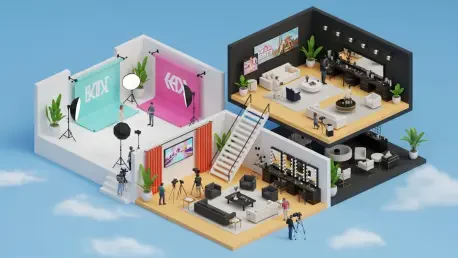
Traditional festival parties were about exclusivity and socializing, but modern brand activations at Palm Springs mansions are essentially high-end content farms. These estates are transformed into branded soundstages where every wall is a backdrop and every corner is meticulously designed for a photo moment. Creators are often flown in with the explicit expectation of a grueling content schedule, which usually involves daily social media tags and a specific number of deliverables. A brand like Rhode or Method might host an invite-only hub where the “free” drinks and luxury accommodations are essentially payment for a month’s worth of marketing assets. The process is transactional: the creator gets access to a curated environment, and in exchange, they must produce a steady stream of highly polished reels and stories that serve the brand’s narrative.
What does it signify when comedy creators begin heavily mocking high-fashion influencers for their “movie-trailer” arrival videos and expensive desert meals? How does this shift in the digital landscape indicate that creators have officially become the new cultural establishment rather than the underdogs?
The surge in comedy creators mocking the “over-produced” nature of festival content is a definitive sign that fashion influencers have become the new cultural establishment. In the cycle of digital trends, you only mock the entity that holds the most power or visibility; you don’t punch down at the underdogs. When high-fashion creators produce arrival videos styled like movie trailers or document $1,000 desert meals, they are setting the standard that everyone else must react to. The fact that this secondary “reaction” content is often outperforming the primary posts shows that the influencer world is now large enough to have its own internal hierarchy and critics. It signifies that the era of influencers trying to “crack” the celebrity world is over—they are now the ones setting the pace and defining the conversation.
What is your forecast for the influencer-celebrity hierarchy?
I believe we will see a permanent decoupling of “fame” and “utility,” where creators hold the actual commercial power while traditional celebrities retreat into a more guarded, private form of status. By the time we reach the 2026 festival season, the distinction will be even sharper: celebrities will pay for privacy and a “normal” experience, while creators will be the ones being paid to perform the labor of being public. We are moving toward a landscape where the “celebrity” is a lifestyle brand that exists for the sake of art or legacy, while the “creator” is a 24/7 media conglomerate focused on performance metrics. Eventually, the traditional celebrity may even become a “guest star” in the creator’s world, appearing in their highly-produced vlogs to gain relevance with younger, more engaged audiences. This flip isn’t just a trend; it’s a structural realignment of how we consume and value human influence.